


A high-rise building is a structure with several floors that is taller than the surrounding buildings. Skyscrapers are a type of high-rise building that are extremely tall, typically having over 40 floors. Both high-rise and skyscraper buildings offer many benefits, such as increased space efficiency, stunning views, and improved energy efficiency.
Skyscrapers are often used for commercial purposes, such as offices and retail stores, while high-rise buildings can be used for a variety of purposes, including residential, commercial, and mixed-use.
Here are the main differences between high-rise and skyscraper buildings:
- Height: Skyscrapers are much taller than high-rise buildings, typically having over 40 floors. High-rise buildings, on the other hand, typically have between 12 and 40 floors.
- Purpose: Skyscrapers are most often used for commercial purposes, such as offices and retail stores. High-rise buildings can be used for a variety of purposes, including residential, commercial, and mixed-use.
- Design: Skyscrapers are often designed with a steel frame and a glass curtain wall. High-rise buildings can be constructed with a variety of materials, including concrete, steel, and glass.
1. Height

Height is one of the most important factors that distinguishes high-rise buildings from skyscrapers. Skyscrapers are much taller than high-rise buildings, typically rising over 40 stories. High-rise buildings, on the other hand, typically have between 12 and 40 stories.
- Structural Implications
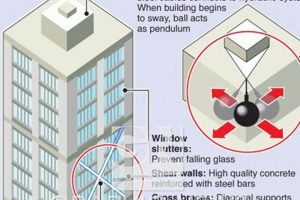
The height of a building has a significant impact on its structural design. Skyscrapers require a more robust structural system to withstand the forces of wind and gravity. This can include using thicker steel beams, reinforced concrete, and wind bracing.
- Functional Implications
The height of a building also has a significant impact on its functionality. Taller buildings can accommodate more people and businesses, but they also require more elevators, stairs, and other amenities. This can make it more difficult to navigate and use a tall building.
- Economic Implications
The height of a building can also have a significant impact on its cost. Taller buildings are more expensive to construct and maintain than shorter buildings. This is due to the need for more materials, labor, and specialized equipment.
- Environmental Implications
The height of a building can also have a significant impact on its environmental impact. Taller buildings can cast longer shadows, block wind, and create microclimates. This can have a negative impact on the surrounding environment.
Overall, height is a key factor that distinguishes high-rise buildings from skyscrapers. Taller buildings have different structural, functional, economic, and environmental implications than shorter buildings.
2. Purpose

Purpose is another important factor that distinguishes high-rise buildings from skyscrapers. Skyscrapers are most often used for commercial purposes, such as offices and retail stores. High-rise buildings can be used for a variety of purposes, including residential, commercial, and mixed-use.
- Commercial
Skyscrapers are often used for commercial purposes because they offer several advantages. They can accommodate a large number of people and businesses in a relatively small footprint. They also provide stunning views and can be used to create a prestigious image for a company.
- Residential
High-rise buildings are often used for residential purposes because they offer several advantages. They can provide affordable housing in expensive urban areas. They also offer stunning views and can be used to create a sense of community.
- Mixed-use
Mixed-use buildings are becoming increasingly popular because they offer several advantages. They can accommodate a variety of uses, such as residential, commercial, and retail. They can also help to create a more vibrant and sustainable community.
Overall, the purpose of a building is a key factor that distinguishes high-rise buildings from skyscrapers. Commercial buildings are typically taller and more densely populated than residential buildings. Mixed-use buildings are becoming increasingly popular because they offer a variety of benefits.
3. Design

The design of a building is a key factor that distinguishes high-rise buildings from skyscrapers. Skyscrapers are typically designed with a steel frame and a glass curtain wall. This design allows for maximum natural light and views, and it also helps to reduce wind resistance. High-rise buildings can be constructed with a variety of materials, including concrete, steel, and glass.
The structural design of a skyscraper is critical to its ability to withstand the forces of wind and gravity. The steel frame provides the building with its strength and rigidity, while the glass curtain wall helps to distribute the wind load evenly across the building’s facade.
The design of a skyscraper’s facade is also important for aesthetic reasons. The glass curtain wall allows for maximum natural light and views, and it can be used to create a variety of different architectural effects.
High-rise buildings can be designed with a variety of different architectural styles. Some high-rise buildings are designed to be iconic landmarks, while others are designed to be more functional and efficient.
The design of a building is a key factor that determines its overall appearance, functionality, and cost. Skyscrapers and high-rise buildings are both tall structures, but they can have very different designs.
4. Materials

The materials used in the construction of a building have a significant impact on its overall appearance, functionality, and cost. Skyscrapers and high-rise buildings are typically constructed with a variety of materials, including concrete, steel, and glass.
Concrete is a strong and durable material that is often used in the construction of high-rise buildings. It is relatively inexpensive and can be easily formed into a variety of shapes. However, concrete is also heavy, which can make it difficult to transport and install.Steel is another strong and durable material that is often used in the co
nstruction of skyscrapers. It is more expensive than concrete, but it is also lighter and easier to transport and install. Steel can also be used to create a variety of different architectural effects.Glass is a transparent material that is often used in the construction of skyscrapers and high-rise buildings. It allows for maximum natural light and views, and it can also be used to create a variety of different architectural effects. However, glass is also fragile and can be expensive to install and maintain.
The choice of materials used in the construction of a skyscraper or high-rise building is a complex one. It is important to consider the strength, durability, cost, and aesthetic appeal of each material. It is also important to consider the environmental impact of the materials used.
5. Location

The location of a high-rise or skyscraper building is a key factor that can affect its design, construction, and overall functionality. Here are a few ways in which location can impact the difference between high-rise and skyscraper buildings:
- Land Availability
The availability of land is a major factor that can affect the location of a high-rise or skyscraper building. In densely populated urban areas, land is often scarce and expensive, which can lead to the construction of taller buildings. In less densely populated areas, land is more plentiful and less expensive, which can lead to the construction of shorter buildings.
- Zoning Regulations
Zoning regulations are another factor that can affect the location of a high-rise or skyscraper building. Zoning regulations are laws that govern the use of land and the types of buildings that can be constructed in a particular area. These regulations can vary from city to city, and they can have a significant impact on the height and design of buildings.
- Proximity to Transportation
The proximity to transportation is another factor that can affect the location of a high-rise or skyscraper building. Buildings that are located near public transportation hubs are more likely to be taller than buildings that are located in more remote areas. This is because public transportation can help to reduce traffic congestion and air pollution, which are both concerns in densely populated urban areas.
- Environmental Factors
Environmental factors can also affect the location of a high-rise or skyscraper building. For example, buildings that are located in areas with strong winds or earthquakes may need to be designed with special features to withstand these forces. Buildings that are located in areas with high levels of air pollution may need to be equipped with special air filtration systems.
Overall, the location of a high-rise or skyscraper building is a key factor that can affect its design, construction, and overall functionality. By understanding the factors that can affect the location of a building, developers can make informed decisions about where to build their projects.
6. Cost

The cost of constructing a high-rise or skyscraper building is a major factor that can affect its design, construction, and overall functionality. Here are a few factors that can affect the cost of a high-rise or skyscraper building:
- Height
The height of a building is one of the biggest factors that can affect its cost. Taller buildings require more materials, labor, and specialized equipment to construct. They also require more complex structural systems to withstand the forces of wind and gravity.
- Materials
The materials used in the construction of a building can also have a significant impact on its cost. High-quality materials, such as steel and glass, are more expensive than lower-quality materials, such as concrete and wood. The choice of materials will also affect the building’s durability, energy efficiency, and overall appearance.
- Location
The location of a building can also affect its cost. Buildings that are located in densely populated urban areas are more expensive to construct than buildings that are located in less densely populated areas. This is because land is more expensive in urban areas, and there are often additional costs associated with constructing buildings in these areas, such as the need for deeper foundations and more complex structural systems.
- Complexity
The complexity of a building’s design can also affect its cost. Buildings with complex designs, such as those with curved facades or unusual shapes, are more expensive to construct than buildings with simpler designs. This is because complex designs require more specialized labor and materials.
Overall, the cost of constructing a high-rise or skyscraper building is a complex issue that depends on a variety of factors. By understanding these factors, developers can make informed decisions about the design and construction of their projects.
7. Energy efficiency

Energy efficiency is an important consideration for both high-rise and skyscraper buildings. The design and construction of these buildings can have a significant impact on their energy consumption.
Skyscrapers are particularly challenging to make energy efficient due to their height and the large amount of glass used in their facades. However, there are a number of strategies that can be employed to reduce the energy consumption of skyscrapers, such as:
- Using high-performance glazing
- Installing efficient lighting systems
- Implementing smart building technologies
High-rise buildings are also becoming more energy efficient. New construction techniques and materials are making it possible to build high-rise buildings that consume less energy than ever before. For example, the Burj Khalifa, the tallest building in the world, uses a number of energy-saving features, such as:
- A double-skin facade that reduces heat gain
- A rainwater harvesting system
- Solar panels that generate electricity
The energy efficiency of high-rise and skyscraper buildings is an important factor to consider when designing and constructing these buildings. By using energy-efficient strategies, it is possible to reduce the operating costs of these buildings and make them more sustainable.
FAQs on the difference between highrise and skyscraper
Skyscrapers and high-rise buildings are both tall structures, but there are some key differences between the two. Here are answers to some frequently asked questions about the difference between highrise and skyscraper buildings:
Question 1: What is the main difference between a highrise and a skyscraper?
Answer: The main difference between a highrise and a skyscraper is their height. Skyscrapers are much taller than high-rise buildings, typically rising over 40 stories. High-rise buildings, on the other hand, typically have between 12 and 40 stories.
Question 2: What are the different purposes of highrise and skyscraper buildings?
Answer: Skyscrapers are most often used for commercial purposes, such as offices and retail stores. High-rise buildings can be used for a variety of purposes, including residential, commercial, and mixed-use.
Question 3: What are the different design features of highrise and skyscraper buildings?
Answer: Skyscrapers are typically designed with a steel frame and a glass curtain wall. This design allows for maximum natural light and views, and it also helps to reduce wind resistance. High-rise buildings can be constructed with a variety of materials, including concrete, steel, and glass.
Question 4: What are the different materials used in the construction of highrise and skyscraper buildings?
Answer: Skyscrapers and high-rise buildings are typically constructed with a variety of materials, including concrete, steel, and glass. The choice of materials depends on a variety of factors, such as the height of the building, the purpose of the building, and the location of the building.
Question 5: What are the different costs associated with the construction of highrise and skyscraper buildings?
Answer: The cost of constructing a highrise or skyscraper building depends on a variety of factors, such as the height of the building, the materials used, and the location of the building. Skyscrapers are generally more expensive to construct than high-rise buildings due to their greater height and the use of more expensive materials.
Question 6: What are the different energy efficiency considerations for highrise and skyscraper buildings?
Answer: The energy efficiency of highrise and skyscraper buildings is an important consideration for both the design and construction of these buildings. There are a number of strategies that can be employed to reduce the energy consumption of high-rise and skyscraper buildings, such as using high-performance glazing, installing efficient lighting systems, and implementing smart building technologies.
Summary
Highrise and skyscraper buildings are both tall structures, but there are some key differences between the two. Skyscrapers are taller, more often used for commercial purposes, and have different design features and materials than high-rise buildings. The cost and energy efficiency of highrise and skyscraper buildings also vary depending on a number of factors.
Transition to the next article section
Tips for understanding the difference between highrise and skyscraper
Understanding the difference between highrise and skyscraper buildings can be helpful for a variety of reasons. For example, if you are planning to purchase or rent a property in a tall building, it is important to be aware of the different types of buildings available and their respective advantages and disadvantages.
Here are five tips for understanding the difference between highrise and skyscraper buildings:
Tip 1: Consider the height of the building.
The most obvious difference between highrise and skyscraper buildings is their height. Skyscrapers are much taller than high-rise buildings, typically rising over 40 stories. High-rise buildings, on the other hand, typically have between 12 and 40 stories.
Tip 2: Think about the purpose of the building.
Skyscrapers are most often used for commercial purposes, such as offices and retail stores. High-rise buildings can be used for a variety of purposes, including residential, commercial, and mixed-use.
Tip 3: Pay attention to the design of the building.
Skyscrapers are typically designed with a steel frame and a glass curtain wall. This design allows for maximum natural light and views, and it also helps to reduce wind resistance. High-rise buildings can be constructed with a variety of materials, including concrete, steel, and glass.
Tip 4: Consider the location of the building.
Skyscrapers are often located in urban areas, where land is scarce and expensive. High-rise buildings can be located in both urban and suburban areas.
Tip 5: Be aware of the cost of the building.
Skyscrapers are generally more expensive to construct than high-rise buildings due to their greater height and the use of more expensive materials.
Summary
By following these tips, you can better understand the difference between highrise and skyscraper buildings. This knowledge can be helpful when making decisions about purchasing or renting property in a tall building.
Transition to the article’s conclusion
Conclusion
The distinction between highrise and skyscraper buildings is crucial for comprehending the diverse architectural landscape of urban environments. Highrise buildings, characterized by their heights ranging from 12 to 40 stories, serve a variety of purposes, including residential, commercial, and mixed-use developments. On the other hand, skyscrapers soar to even greater heights, typically exceeding 40 stories, and are predominantly dedicated to commercial activities such as offices and retail.
Understanding the differences between these building types extends beyond mere height and purpose. Their designs, materials, locations, costs, and energy efficiency considerations all vary significantly. Skyscrapers, for instance, often incorporate steel frames and glass curtain walls to maximize natural light and reduce wind resistance, while high-rise buildings may employ a wider range of materials. Additionally, the location of a building, whether in a dense urban area or a suburban setting, can influence its design and construction.
The choice between a highrise and a skyscraper depends on specific requirements and preferences. High-rise buildings offer a balance of height, versatility, and affordability, while skyscrapers represent architectural marvels that redefine skylines and accommodate large-scale commercial operations. By recognizing the distinct characteristics of these building types, we can make informed decisions about their suitability for various purposes and appreciate the diverse architectural tapestry that shapes our cities.