


A high-rise building is a tall building with multiple floors, typically at least 12 stories high. Skyscrapers are a type of high-rise building that are significantly taller than other buildings in the surrounding area. They are typically at least 50 stories high and can reach heights of over 100 stories.
Skyscrapers are often used for commercial purposes, such as offices, retail stores, and hotels. They can also be used for residential purposes, such as apartments and condominiums. High-rise buildings are often built in densely populated urban areas where land is scarce.
The construction of skyscrapers requires specialized engineering and design techniques. The buildings must be able to withstand strong winds and earthquakes. They must also be able to accommodate a large number of people and provide them with essential services, such as water, electricity, and transportation.
1. Height

The height of a building is one of the most important factors that distinguishes it as a high-rise building or a skyscraper. Skyscrapers are significantly taller than high-rise buildings, with a minimum height of 50 stories. This difference in height is due to a number of factors, including the building’s purpose, location, and design.
- Purpose: Skyscrapers are typically used for commercial purposes, such as offices, retail stores, and hotels. These types of businesses require large amounts of space to accommodate their employees and customers. High-rise buildings, on the other hand, are often used for residential purposes, such as apartments and condominiums. Residential buildings do not require as much space as commercial buildings, so they can be built to lower heights.
- Location: Skyscrapers are typically located in densely populated urban areas where land is scarce. In order to maximize the use of land, developers build skyscrapers that can accommodate a large number of people on a small footprint. High-rise buildings, on the other hand, can be located in both urban and suburban areas. In suburban areas, there is more land available, so developers can build high-rise buildings that are not as tall as skyscrapers.
- Design: Skyscrapers require specialized engineering and design techniques to withstand strong winds and earthquakes. These techniques include using steel frames and reinforced concrete. High-rise buildings, on the other hand, can be constructed using a variety of materials, including concrete and masonry.
The height of a building has a number of implications for its design and construction. For example, taller buildings require more elevators and stairwells to accommodate the increased number of occupants. They also require more robust fire safety systems and other emergency measures.
2. Purpose

The purpose of a building is one of the most important factors that distinguishes it as a high-rise building or a skyscraper. High-rise buildings are often used for both commercial and residential purposes, while skyscrapers are primarily used for commercial purposes. This difference in purpose has a number of implications for the design, construction, and operation of these buildings.
- Building height: Commercial buildings typically require more space than residential buildings, so skyscrapers are often taller than high-rise residential buildings.
- Building design: Commercial buildings have different design requirements than residential buildings. For example, commercial buildings need to accommodate large numbers of people and provide spaces for a variety of activities, such as offices, retail stores, and restaurants. Residential buildings, on the other hand, need to provide private spaces for living, sleeping, and cooking.
- Building amenities: Commercial buildings often have more amenities than residential buildings, such as fitness centers, conference rooms, and cafeterias. Residential buildings, on the other hand, may have amenities such as swimming pools, playgrounds, and doormen.
- Building management: Commercial buildings typically require more management than residential buildings. This is because commercial buildings have more tenants and a more complex mix of uses.
The purpose of a building is a key factor that determines its design, construction, and operation. By understanding the different purposes of high-rise buildings and skyscrapers, we can better understand the differences between these two types of buildings.
3. Location

The location of a high-rise building or skyscraper is one of the key factors that distinguishes it as one or the other. High-rise buildings can be found in both urban and suburban areas, while skyscrapers are typically located in densely populated urban areas. This difference in location is due to a number of factors, including the building’s purpose, height, and design.
One of the most important factors that determines the location of a high-rise building or skyscraper is its purpose. Commercial buildings, such as offices, retail stores, and hotels, typically require large amounts of space to accommodate their employees and customers. These types of buildings are often located in densely populated urban areas where there is a high demand for commercial space. Residential buildings, on the other hand, do not require as much space as commercial buildings. They can be located in both urban and suburban areas, depending on the needs of the residents.
The height of a building is another factor that can affect its location. Taller buildings require more land to accommodate their height. This is why skyscrapers are typically located in densely populated urban areas where land is scarce. High-rise buildings, which are not as tall as skyscrapers, can be located in both urban and suburban areas.
The design of a building can also affect its location. Buildings that are designed to withstand strong winds and earthquakes are more likely to be located in urban areas where these hazards are more common. For example, many skyscrapers in San Francisco are designed to withstand earthquakes.
The location of a high-rise building or skyscraper has a number of implications for its design, construction, and operation. By understanding the different factors that determine the location of these buildings, we can better understand the differences between them.
4. Design

In discussing the difference betw
een high-rise buildings and skyscrapers, it is crucial to examine the design aspects that set them apart. Skyscrapers, by definition, necessitate specialized engineering and design techniques to ensure their resilience against strong winds and earthquakes. This requirement significantly influences their structural composition, material selection, and overall architectural approach.
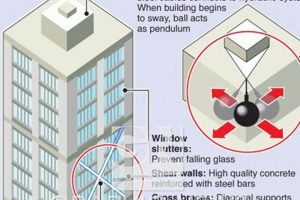
- Structural Systems: Skyscrapers employ advanced structural systems, such as braced frames, moment-resisting frames, and outrigger systems, to distribute and resist lateral forces caused by wind and seismic activity. These systems work together to maintain the building’s stability and integrity under extreme conditions.
- Materials and Construction: Skyscrapers utilize high-strength materials like reinforced concrete, structural steel, and composite materials to withstand the immense weight and dynamic forces acting upon them. The choice of materials and construction methods is meticulously engineered to ensure the building’s structural integrity and safety.
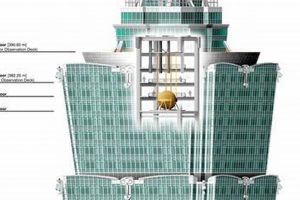
- Wind Engineering: Skyscrapers are designed to minimize wind-induced vibrations and sway, which can cause discomfort to occupants and compromise the building’s structural stability. Wind tunnels are often used to test building models and optimize their aerodynamic shape, reducing wind resistance and enhancing overall performance.
- Seismic Engineering: In earthquake-prone regions, skyscrapers incorporate seismic design features such as base isolation systems and energy-dissipating devices. These systems help absorb and redirect seismic energy, reducing the impact of earthquakes on the building’s structure and occupants.
The specialized design techniques employed in skyscrapers not only ensure their ability to withstand extreme forces but also contribute to their architectural distinctiveness. The innovative use of structural systems, materials, and engineering principles allows architects and engineers to push the boundaries of design and create iconic structures that redefine urban skylines around the world.
5. Construction

The construction methods used for skyscrapers and high-rise buildings vary significantly, reflecting the different structural requirements and design considerations for each building type. Skyscrapers, due to their immense height and exposure to lateral forces such as wind and seismic activity, necessitate the use of steel frames as their primary structural system. Steel frames provide exceptional strength, rigidity, and flexibility, allowing skyscrapers to withstand these forces and maintain their structural integrity.
In contrast, high-rise buildings, which are typically shorter and less susceptible to lateral forces, can be constructed using a wider range of materials, including concrete and masonry. Concrete, known for its compressive strength and durability, is commonly used in the construction of high-rise residential and commercial buildings. Masonry, composed of bricks or blocks held together by mortar, offers good thermal insulation and fire resistance, making it suitable for high-rise buildings in certain regions.
The choice of construction materials and methods for high-rise buildings depends on various factors, including the building’s height, location, intended use, and architectural design. Engineers and architects carefully consider these factors to determine the most appropriate and cost-effective construction approach for each project.
Understanding the construction differences between skyscrapers and high-rise buildings is crucial for several reasons. First, it highlights the engineering challenges associated with constructing tall buildings and the specialized techniques required to ensure their stability and safety. Second, it informs architects and engineers about the appropriate materials and construction methods to use based on the specific requirements of each building type. Finally, it provides insights into the factors that influence the design and construction of tall buildings, contributing to the advancement ofand engineering practices.
6. Cost

The cost of construction is a key differentiating factor between skyscrapers and high-rise buildings. Skyscrapers, due to their immense height, complex structural systems, and specialized engineering requirements, incur significantly higher construction costs compared to high-rise buildings. Understanding the reasons behind this cost difference is crucial for architects, engineers, and real estate developers involved in the planning and execution of tall building projects.
- Materials and Structural Systems: Skyscrapers require substantial quantities of high-strength materials, such as structural steel and reinforced concrete, to withstand wind and seismic forces. These materials, along with the complex structural systems employed, contribute to the increased cost of skyscraper construction.
- Specialized Engineering and Labor: The design and construction of skyscrapers demand specialized engineering expertise and highly skilled labor. Structural engineers, architects, and construction crews with expertise in high-rise building techniques command higher salaries, further adding to the overall construction costs.
- Height and Complexity: The sheer height and architectural complexity of skyscrapers present construction challenges that require innovative solutions and specialized equipment. This can include the use of cranes, scaffolding, and other specialized machinery, which can significantly increase construction costs.
- Safety and Regulations: Skyscraper construction adheres to stringent safety regulations and building codes, which often require additional measures to ensure worker safety and structural integrity. These measures, such as enhanced safety protocols, regular inspections, and rigorous quality control, contribute to the increased cost of skyscraper construction.
The higher construction costs associated with skyscrapers have implications for project planning, financing, and overall building economics. Developers and investors must carefully consider these costs when evaluating the feasibility and profitability of skyscraper projects. Additionally, the cost difference between skyscrapers and high-rise buildings can influence urban planning decisions, as it may affect the density and distribution of tall buildings within a city’s skyline.
7. Maintenance

The need for regular and comprehensive maintenance is a key differentiator between skyscrapers and high-rise buildings. Skyscrapers, with their immense height and complex structural systems, demand more frequent and specialized maintenance tasks to ensure their continued safety and performance.
- Structural Maintenance: Skyscrapers require regular inspections and maintenance of their structural components, including steel frames, reinforced concrete, and curtain walls. This includes monitoring for any signs of corrosion, cracks, or damage, as well as conducting periodic seismic and wind load assessments to ensure the building’s structural integrity.
- Mechanical and Electrical Systems: Skysc
rapers house complex mechanical and electrical systems, including elevators, HVAC systems, plumbing, and electrical wiring. These systems require regular maintenance and servicing to ensure their efficient and reliable operation, as any disruptions or malfunctions can significantly impact the building’s functionality and occupant comfort. - Exterior Maintenance: The exterior facades of skyscrapers, often made of glass, metal, or composite materials, require specialized cleaning and maintenance techniques to preserve their appearance and prevent damage from weather elements. This includes regular window washing, facade inspections, and repairs to ensure the building’s exterior remains watertight and aesthetically pleasing.
- Safety and Emergency Systems: Skyscrapers are equipped with advanced safety and emergency systems, such as fire alarms, sprinklers, and emergency lighting. These systems require regular testing, maintenance, and upgrades to ensure they remain operational in the event of an emergency.
The increased maintenance needs of skyscrapers have implications for building management and operating costs. Building owners and managers must allocate sufficient resources and plan for ongoing maintenance activities to ensure the safety and longevity of these structures. Understanding the maintenance differences between skyscrapers and high-rise buildings is crucial for effective building management and contributes to the overall sustainability and performance of these iconic structures.
8. Sustainability

In exploring the difference between high-rise buildings and skyscrapers, it is important to consider their respective approaches to sustainability. Skyscrapers, due to their immense height and energy consumption, have a greater potential impact on the environment. However, they can also be designed to incorporate sustainable features and technologies that reduce their environmental footprint.
- Energy Efficiency: Skyscrapers can be equipped with energy-efficient lighting systems, such as LED and fluorescent lighting, which consume significantly less energy than traditional incandescent bulbs. Additionally, they can utilize motion sensors and daylighting controls to automatically adjust lighting levels based on occupancy and natural light availability, further reducing energy consumption.
- Water Conservation: Skyscrapers can incorporate water-saving fixtures, such as low-flow toilets, faucets, and showerheads, to reduce water usage. Additionally, rainwater harvesting systems can be implemented to collect and store rainwater for non-potable purposes, such as irrigation and flushing toilets.
- Renewable Energy: Some skyscrapers are designed to incorporate renewable energy sources, such as solar panels and wind turbines, to generate their own electricity. This can significantly reduce their reliance on fossil fuels and contribute to a cleaner energy grid.
- Sustainable Materials: Skyscrapers can be constructed using sustainable materials, such as recycled steel and low-VOC (volatile organic compound) materials, which have a lower environmental impact than traditional building materials.
By incorporating these sustainable features, skyscrapers can reduce their energy consumption, water usage, and carbon emissions, contributing to a more sustainable built environment. Understanding the sustainability differences between skyscrapers and high-rise buildings can inform design and construction practices, promoting greener and more environmentally conscious tall buildings.
FAQs on the Difference Between High-Rise and Skyscraper
To further clarify the distinction between high-rise buildings and skyscrapers, we present a series of frequently asked questions (FAQs) and their answers.
Question 1: What is the primary difference between a high-rise building and a skyscraper?
Answer: The fundamental difference lies in their height. Skyscrapers are significantly taller than high-rise buildings, typically exceeding 50 stories, while high-rise buildings generally have fewer than 50 stories.Question 2: Are there different purposes for high-rise buildings and skyscrapers?
Answer: Yes, high-rise buildings serve various purposes, including residential, commercial, and mixed-use developments. Skyscrapers, on the other hand, are predominantly used for commercial purposes, such as offices, retail spaces, and hotels.Question 3: Where are high-rise buildings and skyscrapers typically located?
Answer: High-rise buildings can be found in both urban and suburban areas, while skyscrapers are primarily located in densely populated urban centers due to land scarcity and the need for vertical expansion.Question 4: Are there structural differences between high-rise buildings and skyscrapers?
Answer: Yes, skyscrapers require specialized engineering and design techniques to withstand strong winds and seismic activity, often employing steel frames and reinforced concrete. High-rise buildings, on the other hand, may use a wider range of materials, including concrete and masonry.Question 5: Do high-rise buildings and skyscrapers have different construction costs?
Answer: Yes, skyscrapers typically incur higher construction costs due to their immense height, complex structural systems, and specialized engineering requirements.Question 6: Are there differences in maintenance requirements for high-rise buildings and skyscrapers?
Answer: Yes, skyscrapers demand more frequent and specialized maintenance due to their height, complex structural systems, and advanced mechanical and electrical systems.
Understanding these key differences between high-rise buildings and skyscrapers is crucial for architects, engineers, urban planners, and real estate professionals involved in the design, construction, and management of these iconic structures.
Transition to the next article section: Sustainability Considerations in High-Rise Buildings and Skyscrapers
Tips on Utilizing the “Difference Between High Rise and Skyscraper” Keyword
To effectively utilize the keyword “difference between high rise and skyscraper” in your content, consider the following tips:
Tip 1: Define the Key Difference
Clearly establish the fundamental difference between high-rise buildings and skyscrapers, emphasizing their height as the primary distinguishing factor.
Tip 2: Use Specific Examples
Provide concrete examples of high-rise buildings and skyscrapers, highlighting their respective heights and locations. This will help readers visualize the distinction.
Tip 3: Discuss Purpose and Location
Explain the different purposes and typical locations of high-rise buildings and skyscrapers. This will provide context and demonstrate their varying roles in urban environments.
Tip 4: Highlight Structural Differences
Emphasize the specialized structural systems used in skyscrapers to withstand strong winds and seismic activity. Contrast this with the wider range of materials and methods employed in high-rise buildings.
Tip 5: Address Cost and Maintenance
Discuss the higher construction and maintenance costs associated with skyscrapers due to their height and complexity. This will provid
e practical insights for readers.
By following these tips, you can effectively utilize the keyword “difference between high rise and skyscraper” to create informative and engaging content that caters to your audience’s search intent.
In summary, understanding the differences between high-rise buildings and skyscrapers is crucial for architects, engineers, urban planners, and real estate professionals. By leveraging the keyword effectively, you can provide valuable information that addresses the unique characteristics and considerations associated with these iconic structures.
Conclusion
In exploring the “difference between high rise and skyscraper,” we have delved into the key characteristics, purposes, and considerations that distinguish these two types of tall buildings. Skyscrapers, with their towering heights and complex engineering, stand as symbols of architectural ingenuity and urban density. High-rise buildings, while shorter in stature, offer versatility in their uses and can be found in both urban and suburban settings.
Understanding the differences between high-rise buildings and skyscrapers is crucial for various stakeholders, including architects, engineers, urban planners, and real estate professionals. This knowledge informs design, construction, and management decisions, ensuring the safety, functionality, and sustainability of these iconic structures. As cities continue to grow and evolve, the need for tall buildings will only increase, making it essential to embrace innovation and sustainable practices in their development. By leveraging the unique advantages of both high-rise buildings and skyscrapers, we can create vibrant and sustainable urban environments that meet the needs of a growing global population.