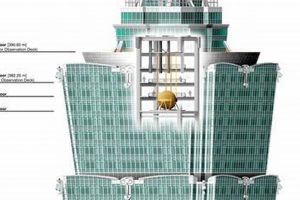



Canary Wharf skyscrapers are a group of high-rise buildings located in the Canary Wharf financial district in London, England. The buildings were constructed in the 1980s and 1990s and are among the tallest in the United Kingdom. The most famous of the Canary Wharf skyscrapers is One Canada Square, which is the tallest building in the UK.
The Canary Wharf skyscrapers are important because they provide office space for many of the world’s leading financial institutions. The buildings are also a popular tourist destination, and they offer stunning views of the London skyline. Canary Wharf is home to world-renowned global banks and financial institutions, attracting professionals from diverse industries.
In addition to their commercial importance, the Canary Wharf skyscrapers are also significant architectural landmarks. The buildings were designed by some of the world’s leading architects, and they represent a variety of architectural styles. Canary Wharf has transformed the skyline of London and has become one of the most iconic business districts. The area offers a vibrant mix of high-end retail, leisure facilities, and cultural attractions, making it a popular destination for both business and leisure travelers alike.
1. Height

The height of Canary Wharf skyscrapers is a defining characteristic that contributes to their prominence and significance. These towering structures reach towards the sky, dominating the London skyline and creating an awe-inspiring presence. The height of these skyscrapers is not merely an aesthetic consideration but also serves several practical purposes:
Firstly, the height of Canary Wharf skyscrapers allows for maximum utilization of space in a densely populated urban environment. By building upwards, developers can accommodate a large number of tenants and businesses within a relatively small footprint. This vertical expansion enables efficient use of land and resources.
Secondly, the height of these skyscrapers provides panoramic views of the city and beyond. This offers not only breathtaking vistas for occupants but also strategic advantages for businesses. Upper floors often house executive offices, meeting rooms, and other spaces that benefit from natural light and expansive views, fostering a sense of grandeur and inspiration.
Furthermore, the height of Canary Wharf skyscrapers contributes to their visibility and iconic status. These buildings have become landmarks in their own right, easily recognizable from afar. Their height makes them stand out from the surrounding cityscape, creating a striking visual impact that enhances the overall appeal and desirability of the area.
In conclusion, the height of Canary Wharf skyscrapers is a crucial factor that influences their functionality, aesthetics, and overall significance. These towering structures not only provide practical solutions for space utilization but also create a visually stunning and recognizable cityscape that contributes to London’s global appeal.
2. Design

The design of Canary Wharf skyscrapers is a harmonious blend of form and function, reflecting the cutting-edge architectural techniques and the demands of modern businesses. These skyscrapers exhibit several key design facets that contribute to their overall appeal and functionality:
- Innovative Facades
The facades of Canary Wharf skyscrapers incorporate innovative materials and designs, such as glass curtain walls and metal cladding. These facades not only enhance the aesthetic appeal of the buildings but also provide natural light and panoramic views for occupants. The use of energy-efficient glazing and shading systems contributes to the environmental sustainability of these skyscrapers.
- Vertical Transportation
Canary Wharf skyscrapers are equipped with advanced vertical transportation systems, including high-speed elevators and escalators. These systems ensure efficient movement of people throughout the buildings, reducing wait times and enhancing accessibility. Some skyscrapers also feature innovative transportation solutions, such as double-decker elevators and sky bridges, to cater to the needs of large numbers of occupants.
- Sustainable Design
Many Canary Wharf skyscrapers incorporate sustainable design principles to reduce their environmental impact. They employ energy-efficient lighting systems, rainwater harvesting, and other green technologies. Some buildings have achieved LEED certification, demonstrating their commitment to environmental sustainability. By adopting sustainable design practices, these skyscrapers contribute to the overall green profile of Canary Wharf.
- Mixed-Use Spaces
Canary Wharf skyscrapers often feature mixed-use spaces that combine office, residential, and retail components. This integration creates a vibrant and dynamic environment that caters to the diverse needs of occupants and visitors. Mixed-use spaces promote a sense of community and convenience, reducing the need for commuting and enhancing the overall livability of Canary Wharf.
In conclusion, the design of Canary Wharf skyscrapers encompasses innovative facades, efficient vertical transportation systems, sustainable practices, and mixed-use spaces. These design elements contribute to the functionality, aesthetics, and environmental consciousness of these iconic structures, making them not only landmarks but also desirable destinations for businesses and individuals alike.
3. Commercial Importance

Canary Wharf skyscrapers are renowned for their commercial importance, serving as the heart of London’s financial district. These skyscrapers house the headquarters and offices of numerous national and international banks, financial institutions, and corporations. The concentration of these businesses in Canary Wharf has created a thriving commercial hub that contributes significantly to the UK’s economy.
The presence of these financial institutions has spurred economic growth and development in Canary Wharf and the surrounding areas. The skyscrapers provide employment opportunities for thousands of professionals in the finance, banking, insurance, and legal sectors. Additionally, the influx of businesses has led to the establishment of supporting services and amenities, such as restaurants, cafes, retail outlets, and transportation links.
The commercial importance of Canary Wharf skyscrapers extends beyond the financial sector. The area has also attracted businesses from other industries, including technology, media, and consulting. This diversity has created a vibrant and dynamic business environment that fosters innovat
ion and collaboration. Canary Wharf has become a sought-after location for businesses seeking to establish a presence in London’s thriving commercial landscape.
In summary, the commercial importance of Canary Wharf skyscrapers lies in their role as the epicenter of London’s financial district. The concentration of businesses in these skyscrapers has generated economic growth, employment opportunities, and a diverse business environment. Canary Wharf has become a symbol of London’s financial prowess and a magnet for businesses seeking success in the global marketplace.
4. Tourist attraction

Canary Wharf skyscrapers have become a major tourist attraction in London, drawing visitors from around the world to marvel at their architectural grandeur and enjoy the vibrant atmosphere of the surrounding area. The skyscrapers offer a unique blend of history, culture, and modern architecture, making them a must-see destination for tourists.
- Unparalleled Views
The Canary Wharf skyscrapers provide breathtaking panoramic views of London. Visitors can ascend to observation decks or rooftop bars to take in the stunning cityscape, including iconic landmarks such as the Tower of London, St. Paul’s Cathedral, and the Houses of Parliament. The views are especially captivating at night when the city lights illuminate the skyline.
- Architectural Marvels
Canary Wharf skyscrapers showcase a diverse range of architectural styles, from the postmodern One Canada Square to the sleek and modern 25 Canada Square. Visitors can admire the intricate facades, innovative designs, and sustainable features that make these buildings stand out. Guided tours offer insights into the architectural significance and engineering feats behind these iconic structures.
- Cultural Hub
Canary Wharf has transformed into a cultural hub, offering a variety of attractions for tourists. The Museum of London Docklands tells the story of London’s maritime history, while the Crossrail Place Roof Garden provides a tranquil oasis amidst the skyscrapers. Visitors can also enjoy public art installations, exhibitions, and events throughout the area.
- Shopping and Dining
Canary Wharf offers a wide range of shopping and dining options to cater to every taste. From high-end boutiques to charming cafes, visitors can find everything they need within the vibrant streets of Canary Wharf. The area is particularly renowned for its selection of international cuisine, with restaurants serving dishes from around the world.
In conclusion, Canary Wharf skyscrapers are a major tourist attraction in London, combining architectural marvels, cultural experiences, and shopping and dining options. Visitors from around the world flock to Canary Wharf to witness the stunning skyline, explore the rich history, and immerse themselves in the vibrant atmosphere of this dynamic waterfront destination.
5. Architectural significance
Canary Wharf skyscrapers are renowned for their architectural significance, showcasing a diverse range of styles and innovative designs that have shaped the London skyline. These skyscrapers represent the cutting-edge of architectural practice and have earned recognition for their contributions to the built environment.
- Unique Designs
Each Canary Wharf skyscraper boasts a unique design, reflecting the vision of world-renowned architects. From the postmodern One Canada Square, designed by Cesar Pelli, to the sleek and modern 25 Canada Square by Norman Foster, these buildings push the boundaries of architectural expression. Their distinct facades, innovative structural systems, and sustainable features make them stand out as iconic landmarks. - Height and Scale
The height and scale of Canary Wharf skyscrapers contribute to their architectural significance. These towering structures dominate the London skyline, creating a breathtaking visual impact. Their verticality not only maximizes space utilization but also provides panoramic views of the city, offering occupants and visitors alike a sense of grandeur and inspiration. - Sustainable Design
Many Canary Wharf skyscrapers incorporate sustainable design principles, reflecting a commitment to environmental consciousness. They employ energy-efficient technologies, such as double-skin facades and rainwater harvesting systems, to reduce their carbon footprint. These sustainable practices not only enhance the environmental performance of the buildings but also contribute to the overall green profile of Canary Wharf. - Mixed-Use Spaces
Several Canary Wharf skyscrapers feature mixed-use spaces that combine office, residential, and retail components. This integration creates a vibrant and dynamic environment that caters to the diverse needs of occupants and visitors. Mixed-use spaces promote a sense of community and convenience, reducing the need for commuting and enhancing the overall livability of Canary Wharf.
In conclusion, Canary Wharf skyscrapers are architecturally significant due to their unique designs, impressive height and scale, sustainable features, and mixed-use spaces. These skyscrapers have transformed the London skyline, becoming iconic landmarks that represent the cutting-edge of architectural practice and sustainable urban development.
6. Iconic status
Canary Wharf skyscrapers have achieved iconic status, becoming instantly recognizable symbols of London’s financial district and modern architecture. Their distinctive designs, impressive scale, and cultural significance have contributed to their iconic status, making them landmarks that are synonymous with London’s skyline.
- Architectural Landmarks
Canary Wharf skyscrapers are architectural marvels that have reshaped London’s skyline. Their unique designs, often by world-renowned architects, have created a visually striking and recognizable cityscape. Buildings like One Canada Square and 25 Canada Square have become iconic symbols of London’s financial prowess and architectural innovation.
- Cultural Significance
Canary Wharf skyscrapers have become cultural icons, featured in numerous films, television shows, and other media. Their presence in popular culture has further cemented their status as symbols of London and modern architecture. The skyscrapers have also been used as backdrops for major events, such as concerts and art installations, enhancing their cultural significance.
- Tourist Attractions
Canary Wharf skyscrapers are major tourist attractions, drawing visitors from around the world. Tourists flock to Canary Wharf to admire the architectural grandeur of these skyscrapers and to experience the vibrant atmosphere of the surrounding area. Observation decks and rooftop bars offer breathtaking views of London, making the skyscrapers a must-see destination for tourists.
- Global Recognition
Canary Wharf skyscrapers have gained global recognition as symbols of London’s financial and archi
tectural importance. Their unique designs and impressive scale have made them instantly recognizable around the world. The skyscrapers have been featured in international publications and media, further enhancing their iconic status and contributing to London’s global prominence.
In conclusion, Canary Wharf skyscrapers have achieved iconic status due to their architectural significance, cultural relevance, tourist appeal, and global recognition. These skyscrapers have become synonymous with London’s financial district and modern architecture, making them enduring symbols of the city’s economic power and architectural prowess.
7. Global recognition

The global recognition of Canary Wharf skyscrapers is a testament to their architectural significance and iconic status. These skyscrapers have become symbols of London’s financial district and modern architecture, gaining worldwide recognition through various channels and platforms.
- Architectural Prestige
Canary Wharf skyscrapers have been recognized for their innovative designs and architectural prowess. Prestigious architectural awards, such as the Emporis Skyscraper Award and the Royal Institute of British Architects (RIBA) Awards, have acknowledged the exceptional designs of these buildings. This recognition has placed Canary Wharf skyscrapers among the world’s most celebrated architectural achievements.
- Media Coverage
Canary Wharf skyscrapers have been featured in numerous international publications, magazines, and newspapers. These publications have showcased the skyscrapers’ unique designs, sustainable features, and their impact on London’s skyline. The media attention has contributed to the global recognition of Canary Wharf skyscrapers, making them known to a wider audience.
- Tourism and Cultural Significance
Canary Wharf skyscrapers have become popular tourist destinations, attracting visitors from around the world. Tourists are drawn to the architectural grandeur of these buildings and the opportunity to experience the vibrant atmosphere of the surrounding area. The presence of Canary Wharf skyscrapers in popular culture, such as films and television shows, has further enhanced their global recognition and appeal.
- Economic Impact
The global recognition of Canary Wharf skyscrapers has had a positive impact on London’s economy. The skyscrapers have attracted international businesses and investors, contributing to the growth of the financial district. The influx of businesses has also led to the creation of jobs and the development of supporting industries, further boosting the local economy.
In conclusion, the global recognition of Canary Wharf skyscrapers is a result of their architectural significance, media coverage, tourism appeal, and economic impact. These skyscrapers have become iconic landmarks that represent London’s financial prowess and modern architectural achievements, gaining worldwide recognition and contributing to the city’s global prominence.
8. Economic impact
Canary Wharf skyscrapers have a significant economic impact on London and the UK as a whole. The development of Canary Wharf has attracted a large number of businesses, both domestic and international, to the area. These businesses have created jobs and boosted the local economy. In addition, the skyscrapers have helped to regenerate the surrounding area, making it a more attractive place to live and work.
One of the most important ways that Canary Wharf skyscrapers have had an economic impact is by attracting businesses to the area. The skyscrapers provide modern, high-quality office space that is in high demand by businesses of all sizes. The presence of these businesses has created jobs and boosted the local economy. In addition, the skyscrapers have helped to regenerate the surrounding area, making it a more attractive place to live and work.
The economic impact of Canary Wharf skyscrapers is not just limited to the local area. The skyscrapers have also had a positive impact on the UK economy as a whole. The businesses that are located in Canary Wharf generate billions of pounds in revenue each year, and they contribute to the UK’s balance of payments. In addition, the skyscrapers have helped to attract investment to the UK, which has further boosted the economy.
The economic impact of Canary Wharf skyscrapers is a clear example of how investment in infrastructure can have a positive impact on the economy. The skyscrapers have created jobs, boosted the local economy, and helped to regenerate the surrounding area. In addition, the skyscrapers have had a positive impact on the UK economy as a whole. The economic impact of Canary Wharf skyscrapers is a clear example of how investment in infrastructure can have a positive impact on the economy.
FAQs about Canary Wharf Skyscrapers
Canary Wharf skyscrapers are iconic landmarks that have reshaped London’s skyline and played a significant role in the city’s economy. Here are answers to some frequently asked questions about these impressive structures:
Question 1: What is the tallest skyscraper in Canary Wharf?
One Canada Square, designed by Cesar Pelli, is the tallest skyscraper in Canary Wharf, standing at 235 meters (771 feet) tall.
Question 2: How many skyscrapers are in Canary Wharf?
There are over 20 skyscrapers in Canary Wharf, each with its unique design and architectural features.
Question 3: What is the architectural style of Canary Wharf skyscrapers?
Canary Wharf skyscrapers showcase a diverse range of architectural styles, including postmodern, modern, and contemporary designs.
Question 4: What are Canary Wharf skyscrapers used for?
Canary Wharf skyscrapers are primarily used for office space, housing the headquarters and offices of numerous national and international banks, financial institutions, and corporations.
Question 5: Are Canary Wharf skyscrapers open to the public?
While the interiors of Canary Wharf skyscrapers are generally not open to the public, some buildings offer observation decks or rooftop bars that provide breathtaking panoramic views of London.
Question 6: What is the economic impact of Canary Wharf skyscrapers?
Canary Wharf skyscrapers have a significant economic impact, attracting businesses, creating jobs, boosting the local economy, and contributing to the UK’s overall economic growth.
In summary, Canary Wharf skyscrapers are architectural marvels that have transformed London’s skyline and played a vital role in the city’s economy. Their diverse designs, impressive scale, and sustainable features make them iconic landmarks that continue to attract attention and admiration.
Transition to the next article section…
Tips for visiting Canary Wharf skyscrapers
Canary Wharf skyscrapers are iconic landmarks that offer breathtaking views of London. Here are some tips to make the most of your visit:
Tip 1: Plan your visit in advance
Canary Wharf is a large area, so it’s important to plan your visit in advance. Decide which skyscrapers you want to see and check their opening hours. Some skyscrapers offer guided tours, which can
be a great way to learn more about their architecture and history.
Tip 2: Use public transportation
Canary Wharf is well-connected by public transportation. There are several underground stations within walking distance of the skyscrapers, and there are also numerous bus routes that serve the area. Driving to Canary Wharf can be expensive and time-consuming, so it’s best to avoid it if possible.
Tip 3: Wear comfortable shoes
Canary Wharf is a large area, and you’ll likely be doing a lot of walking. Make sure to wear comfortable shoes so that you can enjoy your visit without getting tired feet.
Tip 4: Bring a camera
The Canary Wharf skyscrapers are beautiful, and you’ll want to capture the moment. Make sure to bring a camera so that you can take some great photos.
Tip 5: Allow plenty of time
Canary Wharf is a large area, and there’s a lot to see. Make sure to allow plenty of time for your visit so that you can explore at your own pace.
Summary:
Canary Wharf skyscrapers are a must-see for any visitor to London. By following these tips, you can make the most of your visit and enjoy all that Canary Wharf has to offer.
Transition to the article’s conclusion…
Conclusion
Canary Wharf skyscrapers are iconic landmarks that have transformed London’s skyline and played a significant role in the city’s economy. Their diverse designs, impressive scale, and sustainable features make them architectural marvels that continue to attract attention and admiration.
Canary Wharf is a testament to the power of modern architecture and urban planning. The skyscrapers have created a vibrant and dynamic business district that is home to some of the world’s leading financial institutions. They have also helped to regenerate the surrounding area, making it a popular destination for tourists and residents alike.
Looking to the future, Canary Wharf is poised to continue to grow and evolve. New skyscrapers are planned, and the area is expected to become even more densely populated. Canary Wharf is a model for sustainable urban development, and its skyscrapers will continue to be a source of pride for Londoners for generations to come.