


Earthquake resistant skyscraper design involves implementing structural engineering techniques to enhance a skyscraper’s ability to withstand seismic activity. This includes measures to minimize damage and ensure the safety of occupants during earthquakes.
Incorporating earthquake resistance into skyscraper design is crucial as these structures are often located in areas prone to seismic activity. By employing techniques such as base isolation, energy dissipation systems, and reinforced concrete construction, engineers can significantly reduce the risk of catastrophic failure during earthquakes.
This article will delve into the various aspects of earthquake resistant skyscraper design, including the historical evolution of these techniques, their effectiveness in real-world scenarios, and the challenges and advancements in this field.
1. Structural Integrity

In earthquake resistant skyscraper design, structural integrity plays a critical role in ensuring the building’s ability to withstand seismic forces and protect its occupants.
- Strong Foundation: A solid foundation is crucial for any building, but even more so for skyscrapers in earthquake-prone areas. The foundation must be able to distribute the weight of the building evenly and prevent it from sinking or shifting during an earthquake.
- Reinforced Concrete: Reinforced concrete is a composite material made of concrete reinforced with steel bars. It is commonly used in skyscraper construction due to its strength and durability. The steel bars help to hold the concrete together and prevent it from cracking or shattering during an earthquake.
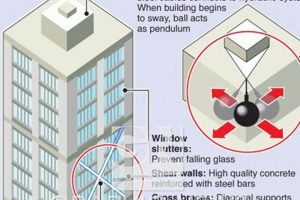
- Shear Walls: Shear walls are vertical elements within a building that help to resist lateral forces, such as those caused by an earthquake. They are typically made of reinforced concrete or steel and are designed to transfer the seismic forces to the foundation.
- Moment Frames: Moment frames are structural systems that use beams and columns to resist lateral forces. They are designed to bend and deform during an earthquake, dissipating energy and preventing the building from collapsing.
By incorporating these structural elements into the design of a skyscraper, engineers can significantly improve its ability to withstand seismic forces and protect its occupants during an earthquake.
2. Base Isolation

Base isolation is a critical strategy in earthquake resistant skyscraper design. It involves decoupling the building from the ground using flexible bearings or other isolation systems to reduce the transmission of earthquake energy into the structure.
- Lead-Rubber Bearings: Lead-rubber bearings are one of the most common types of base isolation systems. They consist of alternating layers of lead and rubber, which provide damping and flexibility during an earthquake, reducing the forces transmitted to the building.
- Friction Pendulum Bearings: Friction pendulum bearings are another type of base isolation system. They consist of a spherical sliding surface and a pendulum that supports the building. During an earthquake, the building slides on the surface, dissipating energy through friction.
- Laminated Rubber Bearings: Laminated rubber bearings are made of multiple layers of rubber and steel plates. They provide both vertical support and flexibility, allowing the building to move during an earthquake while minimizing damage.
By incorporating base isolation systems into skyscraper design, engineers can significantly reduce the seismic forces acting on the building, protecting it from damage and ensuring the safety of occupants during an earthquake.
3. Energy Dissipation

In the realm of earthquake resistant skyscraper design, energy dissipation plays a crucial role in mitigating the impact of seismic forces on high-rise structures.
- Viscous Dampers: Viscous dampers are devices that utilize viscous fluids to dissipate seismic energy. They consist of a piston moving within a cylinder filled with fluid, and as the piston moves, the fluid generates resistance, dissipating energy in the process.
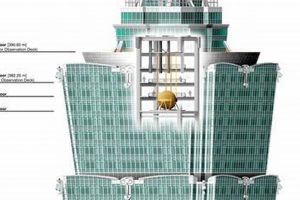
- Tuned Mass Dampers: Tuned mass dampers are pendulum-like devices installed at the top of skyscrapers. They are tuned to the natural frequency of the building and counteract the building’s motion during an earthquake, reducing vibrations and dissipating energy.
- Friction Dampers: Friction dampers utilize friction to dissipate seismic energy. They consist of plates or pads that are pressed together with friction material in between, and as the building moves, the plates slide against each other, generating friction and dissipating energy.
- Yielding Steel Devices: Yielding steel devices are structural elements made of steel that are designed to yield and deform during an earthquake. This yielding absorbs seismic energy and prevents it from damaging other parts of the building.
By incorporating these energy dissipation devices into skyscraper design, engineers can reduce the seismic forces acting on the building, protecting it from damage and ensuring the safety of occupants during an earthquake.
4. Reinforced Concrete

Reinforced concrete plays a vital role in earthquake resistant skyscraper design due to its ability to withstand the immense forces generated by seismic activity. High-strength concrete, reinforced with steel bars, creates a composite material that exhibits exceptional strength, durability, and resistance to cracking and deformation.
During an earthquake, reinforced concrete structures can effectively absorb and dissipate seismic energy through a combination of mechanisms. The concrete’s compressive strength resists the weight of the building and seismic forces, while the steel reinforcement provides tensile strength, preventing the concrete from cracking under tension. This synergistic behavior allows reinforced concrete skyscrapers to remain stable and upright even during severe earthquakes.
Real-life examples of reinforced concrete’s effectiveness in earthquake resistant skyscraper design include the Burj Khalifa in Dubai, the Taipei 101 in Taiwan, and the Shanghai Tower in Chi
na. These iconic structures have all employed reinforced concrete as a primary structural material, contributing to their ability to withstand earthquakes and maintain their integrity.
Understanding the connection between reinforced concrete and earthquake resistant skyscraper design is crucial for engineers and architects involved in the construction of high-rise buildings in seismically active regions. By incorporating reinforced concrete into their designs, they can create structures that are more resilient to earthquakes, ensuring the safety of occupants and the longevity of these architectural marvels.
5. Seismic Codes

Seismic codes play a critical role in earthquake resistant skyscraper design by establishing minimum standards for structural design, materials, and construction practices to ensure the safety and integrity of buildings during seismic events.
These codes are developed by experts in structural engineering, seismology, and earthquake engineering, and are based on scientific research and analysis of past earthquakes. By adhering to seismic codes, engineers can design skyscrapers that are better equipped to withstand the forces generated by earthquakes, reducing the risk of collapse and protecting the lives of occupants.
Real-life examples of the effectiveness of seismic codes can be seen in the performance of skyscrapers during major earthquakes. For instance, during the 1994 Northridge earthquake in California, high-rise buildings that were designed and constructed in accordance with seismic codes remained largely intact, while older buildings that did not meet the code requirements suffered significant damage or collapse.
Understanding the connection between seismic codes and earthquake resistant skyscraper design is crucial for ensuring the safety of high-rise buildings in earthquake-prone regions. By adhering to these codes, architects and engineers can design and construct skyscrapers that are more resilient to seismic activity, protecting the lives of occupants and the integrity of the built environment.
6. Retrofitting

Retrofitting is an essential aspect of earthquake resistant skyscraper design, as it involves strengthening existing buildings to improve their ability to withstand seismic forces and reduce the risk of collapse during earthquakes. By incorporating retrofitting measures into skyscraper design, engineers can enhance the structural integrity and seismic resilience of older buildings, ensuring the safety of occupants and extending the lifespan of these structures.
Retrofitting typically involves assessing the existing structural system of a building and identifying areas that need reinforcement or modification. Common retrofitting techniques include adding shear walls, strengthening columns and beams, and installing base isolation systems. These measures work together to improve the building’s ability to resist lateral forces, dissipate seismic energy, and prevent progressive collapse during an earthquake.
Real-life examples of successful retrofitting projects include the seismic retrofit of the San Francisco-Oakland Bay Bridge in California and the Empire State Building in New York City. After undergoing extensive retrofitting, these iconic structures have been significantly strengthened to withstand major earthquakes, ensuring their continued use and safety for future generations.
Understanding the connection between retrofitting and earthquake resistant skyscraper design is crucial for building owners, engineers, and policymakers involved in the maintenance and preservation of high-rise buildings in earthquake-prone regions. By investing in retrofitting measures, stakeholders can enhance the resilience of existing skyscrapers, safeguarding the lives of occupants and preserving the architectural heritage of our cities.
7. Early Warning Systems

Early warning systems play a critical role in earthquake resistant skyscraper design by providing valuable seconds or even minutes of advance notice before an earthquake strikes. This advanced warning can trigger automated responses in skyscrapers, such as:
- Slowing down elevators to the nearest floor and opening doors to allow occupants to evacuate.
- Shutting off gas and water lines to prevent fires and flooding.
- Activating emergency lighting and communication systems to facilitate evacuation and coordination.
By incorporating early warning systems into earthquake resistant skyscraper design, engineers can significantly improve the chances of occupants evacuating safely and reduce the risk of injuries or fatalities during an earthquake.
A notable example of the effectiveness of early warning systems in earthquake resistant skyscraper design is the case of the 2011 Tohoku earthquake in Japan. Buildings equipped with early warning systems were able to provide occupants with several seconds of advance notice, giving them time to take cover and evacuate before the strongest shaking arrived. This advance warning is credited with saving many lives and preventing serious injuries.
Understanding the connection between early warning systems and earthquake resistant skyscraper design is crucial for architects, engineers, and building owners in earthquake-prone regions. By incorporating these systems into their designs, they can create skyscrapers that are not only structurally sound but also equipped to respond quickly and effectively to impending earthquakes, enhancing the safety of occupants and minimizing the potential for damage.
8. Emergency Preparedness

Emergency preparedness is an essential component of earthquake resistant skyscraper design, as it ensures that buildings are not only structurally sound but also equipped to respond effectively to an earthquake event and minimize the risk to occupants.
A comprehensive emergency preparedness plan for a skyscraper should include:
- Evacuation plans and procedures for occupants
- Training for building staff on emergency response
- Designated assembly areas for occupants to gather after evacuation
- Emergency communication systems to provide information and instructions to occupants
- First-aid kits and medical supplies
- Fire extinguishers and other safety equipment
By incorporating emergency preparedness into earthquake resistant skyscraper design, architects and engineers can create buildings that are not only structurally resilient but also equipped to handle the human element of an earthquake event. This can help to reduce panic and confusion, facilitate safe evacuation, and minimize the risk of injuries or fatalities.
Real-life examples of the importance of emergency preparedness in earthquake resistant skyscraper design can be seen in the aftermath of major earthquakes, such as the 1994 Northridge earthquake in California and the 2011 Tohoku earthquake in Japan. Buildings that had well-developed emergency preparedness plans
and trained staff were able to evacuate occupants quickly and efficiently, resulting in a lower number of casualties and injuries.
Understanding the connection between emergency preparedness and earthquake resistant skyscraper design is crucial for architects, engineers, and building owners in earthquake-prone regions. By incorporating emergency preparedness into their designs, they can create skyscrapers that are not only structurally sound but also equipped to respond effectively to an earthquake event, enhancing the safety of occupants and minimizing the potential for damage.
FAQs on Earthquake Resistant Skyscraper Design
This section addresses frequently asked questions and misconceptions surrounding earthquake resistant skyscraper design, providing informative answers based on established engineering principles and real-world practices.
Question 1: Are earthquake resistant skyscrapers absolutely safe during earthquakes?
While earthquake resistant skyscrapers are designed to withstand seismic forces and protect occupants, they are not immune to damage during extreme earthquakes. However, they are significantly more resilient than non-earthquake resistant buildings and are designed to minimize the risk of collapse and life-threatening injuries.
Question 2: What are the key factors that contribute to a skyscraper’s earthquake resistance?
Earthquake resistant skyscraper design involves a combination of structural elements, materials, and technologies, including strong foundations, reinforced concrete construction, shear walls, moment frames, base isolation systems, energy dissipation devices, and adherence to seismic codes.
Question 3: Are there real-world examples of earthquake resistant skyscrapers that have performed well during earthquakes?
Yes, numerous earthquake resistant skyscrapers worldwide have successfully withstood major earthquakes, such as the Burj Khalifa in Dubai, the Taipei 101 in Taiwan, and the Shanghai Tower in China. These buildings showcase the effectiveness of modern earthquake engineering practices.
Question 4: How are occupants of earthquake resistant skyscrapers kept safe during an earthquake?
In addition to structural resilience, earthquake resistant skyscrapers often incorporate safety features such as early warning systems, automated responses (e.g., elevator slowdown, gas shutoff), emergency communication systems, and well-defined evacuation plans to minimize risk to occupants.
Question 5: Are older skyscrapers that were not designed to be earthquake resistant inherently unsafe?
Not necessarily. While older skyscrapers may not have the same level of earthquake resistance as modern buildings, some can be retrofitted to improve their seismic performance. Retrofitting involves strengthening the building’s structure and incorporating modern earthquake engineering techniques.
Question 6: What ongoing research and advancements are being made in earthquake resistant skyscraper design?
Research and development in earthquake engineering continue to advance the field. Areas of focus include innovative materials, improved structural systems, and real-time monitoring technologies to further enhance the resilience of skyscrapers against earthquakes.
Understanding the principles and practices of earthquake resistant skyscraper design is crucial for ensuring the safety of occupants and the integrity of these structures in earthquake-prone regions.
Transition to the next article section: Continue reading to explore the specific engineering techniques employed in earthquake resistant skyscraper design and their effectiveness in real-world scenarios.
Tips for Earthquake Resistant Skyscraper Design
Earthquake resistant skyscraper design plays a crucial role in ensuring the safety of occupants and the integrity of structures in earthquake-prone areas. Here are some key tips for effective earthquake resistant skyscraper design:
Tip 1: Prioritize Structural Integrity
Ensure a strong foundation, reinforced concrete construction, and the use of structural elements such as shear walls and moment frames to enhance the building’s ability to withstand seismic forces.
Tip 2: Implement Base Isolation Systems
Incorporate base isolation systems, such as lead-rubber bearings or friction pendulum bearings, to decouple the building from the ground and reduce the transmission of earthquake energy.
Tip 3: Utilize Energy Dissipation Devices
Install energy dissipation devices, such as viscous dampers or tuned mass dampers, to absorb and dissipate seismic energy, reducing the forces acting on the building.
Tip 4: Adhere to Seismic Codes
Follow established seismic codes and regulations to ensure the building meets minimum standards for earthquake resistance and incorporates the latest engineering knowledge.
Tip 5: Consider Retrofitting Options
For existing skyscrapers, evaluate the benefits of retrofitting to improve their seismic performance. Retrofitting can involve adding shear walls, strengthening columns, or installing base isolation systems.
Tip 6: Implement Early Warning Systems
Integrate early warning systems to provide advance notice of impending earthquakes, allowing for automated responses such as elevator slowdown, gas shutoff, and emergency communication.
Tip 7: Develop Emergency Preparedness Plans
Establish comprehensive emergency preparedness plans that outline evacuation procedures, designate assembly areas, and provide training for building staff and occupants.
Tip 8: Embrace Ongoing Research and Innovation
Stay updated with the latest research and advancements in earthquake engineering to incorporate innovative materials, structural systems, and technologies into skyscraper designs.
Incorporating these tips into earthquake resistant skyscraper design can significantly enhance the safety and resilience of these structures, protecting occupants and minimizing the risk of damage during seismic events.
Conclusion:
Earthquake resistant skyscraper design requires a holistic approach that combines structural engineering principles, advanced technologies, and a commitment to occupant safety. By implementing these tips, architects, engineers, and building owners can create skyscrapers that stand strong and resilient in the face of seismic challenges.
Earthquake Resistant Skyscraper Design
Earthquake resistant skyscraper design is a crucial aspect of modern architecture, ensuring the safety of occupants and the integrity of structures in earthquake-prone regions. This article has explored the key principles, techniques, and considerations involved in designing skyscrapers that can withstand the forces of seismic activity.
By incorporating structural integrity, base isolation systems, energy dissipation devices, and other innovative measures, architects and engineers can create skyscrapers that are more resilient to earthquakes. Adhering to seismic codes, implementing early warning systems, and developing comprehensive emergency preparedness plans further enhance the safety and preparedness of these structures.
As the world continues to face the challenges of seismic activity, earthquake resistant skyscraper design will play an increasingly important role in protecting lives and preserving the built environment. Ongoing research and advancements in this field will lead to even more innovative and effective strategies for ensuring the safety and resilience of skyscrapers in the face of earthquakes.