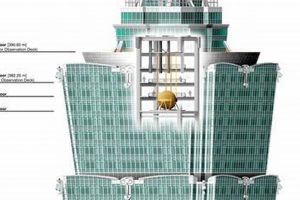



Business skyscrapers are high-rise buildings primarily designed for commercial and business purposes. These towering structures are often found in major cities and financial hubs around the world, housing a variety of businesses, including corporations, law firms, banks, and consulting firms.
Business skyscrapers offer several advantages that make them attractive to businesses. They provide ample space for large organizations, allowing for efficient operations and collaboration among employees. Additionally, these buildings often feature state-of-the-art amenities, such as high-speed elevators, advanced security systems, and modern infrastructure, which can enhance productivity and employee satisfaction. Moreover, business skyscrapers often offer prestigious addresses and panoramic views, contributing to the corporate image and branding of the businesses that occupy them.
The history of business skyscrapers can be traced back to the late 19th century, with the construction of the first skyscrapers in Chicago and New York City. Over time, these buildings have evolved to incorporate advancements in architecture, engineering, and technology. Today, business skyscrapers are not only functional spaces but also iconic landmarks that define the skylines of cities and symbolize economic power and global connectivity.
1. Height

Height is a defining characteristic of business skyscrapers, reaching towards the sky and dominating the urban landscape. The height of these buildings is not merely a matter of aesthetics but also serves several practical and symbolic purposes.
From a practical standpoint, height allows business skyscrapers to accommodate a large number of tenants and maximize office space within a limited footprint. This vertical expansion enables efficient use of land, particularly in densely populated urban areas where space is at a premium. Additionally, the height of these buildings provides tenants with panoramic views, enhancing the work environment and potentially increasing productivity.
Symbolically, the height of business skyscrapers conveys power, prestige, and economic strength. These towering structures are often associated with successful corporations and financial institutions, reinforcing the idea that reaching new heights is synonymous with business success. The height of these buildings also contributes to the overall architectural identity of cities, becoming iconic landmarks that define the skyline and attract global recognition.
In conclusion, the height of business skyscrapers is not simply a matter of aesthetics but also a reflection of practical considerations and symbolic significance. These towering structures maximize space, offer unparalleled views, and embody the economic power and ambition of modern cities.
2. Architecture

The architecture of business skyscrapers is a fascinating blend of form and function, aesthetics and engineering excellence. It is a testament to the creativity and vision of architects, who strive to create structures that are not only visually striking but also highly functional and sustainable.
One of the most important aspects of business skyscraper architecture is the efficient use of space. These buildings are designed to accommodate a large number of tenants within a limited footprint. Architects achieve this through innovative space-planning solutions, such as open floor plans, flexible workspaces, and vertical transportation systems that minimize wasted space.
In addition to space efficiency, architects also focus on creating buildings that are sustainable and environmentally friendly. This includes using energy-efficient materials and systems, incorporating natural light and ventilation, and designing for water conservation. By embracing sustainable practices, architects can reduce the environmental impact of business skyscrapers and contribute to the well-being of occupants.
Another key aspect of business skyscraper architecture is the integration of technology. Architects work closely with engineers to incorporate cutting-edge technologies that enhance the functionality and comfort of these buildings. This includes smart building systems that control lighting, heating, and ventilation, as well as advanced security systems and communication networks.
Finally, the architecture of business skyscrapers is often influenced by the surrounding urban context. Architects consider the scale and style of neighboring buildings, as well as the overall character of the city. This ensures that business skyscrapers complement their surroundings and contribute positively to the urban fabric.
In conclusion, the architecture of business skyscrapers is a complex and challenging field that requires a deep understanding of space planning, sustainability, technology, and urban design. By successfully integrating these elements, architects create iconic structures that are not only visually stunning but also highly functional, sustainable, and technologically advanced.
3. Location

The location of a business skyscraper is of paramount importance, as it directly impacts its accessibility, visibility, and overall success. When choosing a location for a business skyscraper, developers and investors consider a multitude of factors, including proximity to transportation hubs, availability of amenities, and the overall character of the surrounding neighborhood.
One of the most important considerations is proximity to transportation hubs. Business skyscrapers are often located near major airports, train stations, and highways, ensuring easy access for tenants, clients, and visitors. This connectivity is crucial for businesses that rely on efficient transportation of goods and personnel.
Another key factor is the availability of amenities. Business skyscrapers are typically located in areas with a wide range of amenities, such as restaurants, cafes, shopping malls, and fitness centers. This convenience enhances the overall experience for tenants and employees, making it easier for them to meet their daily needs without having to travel far.
Finally, the character of the surrounding neighborhood is also an important consideration. Business skyscrapers are often located in prestigious and well-established districts, which can enhance the image and reputation of the building and its tenants. These districts typically offer a mix of commercial, residential, and cultural amenities, creating a vibrant and dynamic environment.
Understanding the connection between location and business skyscrapers is crucial for developers, investors, and businesses alike. By carefully considering the factors discussed above, they can make informed decisions about
the location of their business skyscraper, maximizing its potential for success and profitability.
4. Tenants

Tenants play a vital role in the success of business skyscrapers. They are the lifeblood of these buildings, occupying the spaces and contributing to the overall economic activity within and around them. The relationship between tenants and business skyscrapers is mutually beneficial, creating a dynamic ecosystem that drives urban growth and development.
For tenants, business skyscrapers offer a range of advantages. These buildings provide prestigious addresses and often have a recognizable presence within the urban landscape. This can enhance the image and reputation of businesses, making them more attractive to clients and partners. Additionally, business skyscrapers typically offer a wide range of amenities and services that cater to the needs of tenants, such as high-speed internet, fitness centers, and conference facilities. These amenities can improve employee morale and productivity, contributing to the overall success of the businesses that occupy the building.
For business skyscrapers, tenants are essential for generating revenue and ensuring the long-term viability of the building. A diverse tenant mix, including a range of industries and business sizes, can create a vibrant and dynamic work environment. This can attract new tenants and investors, further enhancing the value and desirability of the building. Moreover, tenants can provide valuable feedback to building management, helping to improve the overall quality and functionality of the skyscraper.
Understanding the connection between tenants and business skyscrapers is crucial for developers, investors, and property managers. By carefully considering the needs and preferences of tenants, they can create buildings that are not only aesthetically pleasing but also highly functional and profitable. A strong tenant base is essential for the long-term success of any business skyscraper, and nurturing this relationship is vital for ensuring the continued prosperity of these iconic structures.
5. Amenities

Amenities play a crucial role in the success and desirability of business skyscrapers. These buildings are not just physical structures but also dynamic ecosystems that cater to the diverse needs of their tenants and visitors. The presence of amenities directly impacts the functionality, productivity, and overall experience within a business skyscraper.
One of the key benefits of amenities in business skyscrapers is the convenience they offer to tenants. Modern skyscrapers often feature a wide range of amenities, such as fitness centers, conference facilities, restaurants, and retail stores. These amenities allow tenants to meet their daily needs without having to leave the building, saving time and increasing productivity. Moreover, amenities create a more pleasant and stimulating work environment, which can boost employee morale and creativity.
Another important aspect of amenities in business skyscrapers is their role in attracting and retaining tenants. Tenants are increasingly looking for buildings that offer a comprehensive range of amenities to meet their evolving needs. Buildings with state-of-the-art fitness centers, for example, can attract health-conscious tenants who prioritize their well-being. Similarly, conference facilities can be a major draw for businesses that frequently host meetings and events.
Furthermore, amenities in business skyscrapers can have a positive impact on the surrounding community. Retail stores and restaurants on the ground floor of a skyscraper can create vibrant street-level activity, making the area more attractive and pedestrian-friendly. This can lead to increased foot traffic and economic growth in the surrounding neighborhood.
In conclusion, amenities are an essential component of business skyscrapers, offering numerous benefits to tenants, building owners, and the surrounding community. By carefully planning and implementing a diverse range of amenities, developers and property managers can create business skyscrapers that are not only aesthetically pleasing but also highly functional, sustainable, and desirable.
6. Sustainability

Sustainability has become an increasingly important consideration in the design, construction, and operation of business skyscrapers. This is due to several factors, including the rising cost of energy, the growing awareness of the environmental impact of buildings, and the increasing demand for green buildings from tenants and investors.
There are many ways to make business skyscrapers more sustainable. Some of the most common strategies include:
- Using energy-efficient materials and systems
- Incorporating renewable energy sources, such as solar and wind power
- Designing buildings to maximize natural light and ventilation
- Reducing water consumption
- Using sustainable construction practices
By implementing these strategies, business skyscrapers can significantly reduce their environmental impact. For example, the Bank of America Tower in New York City is one of the most sustainable skyscrapers in the world. The building uses a variety of green features, including a rainwater collection system, a green roof, and a solar-powered facade. As a result, the Bank of America Tower has achieved LEED Platinum certification, the highest level of sustainability certification available.
The benefits of sustainable business skyscrapers are numerous. These buildings can help to reduce operating costs, improve employee health and productivity, and attract tenants and investors who are looking for green buildings. In addition, sustainable business skyscrapers can contribute to the overall sustainability of cities by reducing air pollution, water consumption, and energy use.
As the demand for sustainable buildings continues to grow, business skyscrapers are likely to become even more sustainable in the future. This is a positive trend that will benefit the environment, businesses, and the people who live and work in cities.
7. Technology

Technology plays a vital role in business skyscrapers, influencing their design, construction, and operation. The integration of cutting-edge technologies enhances the functionality, efficiency, and sustainability of these towering structures.
One of the most significant ways technology impacts business skyscrapers is through the use of smart building systems. These systems automate and optimize various building functions, such as lighting, heating, ventilation, and security. By using sensors and data analytics, smart building systems can improve energy efficiency, reduce operating costs, and enhance occupant comfort. For example, the One World Trade Center in New York City uses a smart building system that monitors and controls the building’s lighting, HVAC, and security systems, resulting in significant energy savings and improved operational efficiency.
Another important aspect of technology in busine
ss skyscrapers is the integration of high-speed internet and communication systems. These systems enable tenants to stay connected, collaborate effectively, and access cloud-based applications and services. The availability of reliable and fast internet connectivity is essential for businesses in today’s digital economy. Moreover, business skyscrapers often feature advanced communication systems, such as video conferencing and telepresence technology, which facilitate remote meetings and collaboration among employees and clients.
Technology also plays a crucial role in the security and safety of business skyscrapers. Advanced security systems, including surveillance cameras, access control systems, and biometric scanners, help protect the building, its occupants, and its assets. In addition, many business skyscrapers are equipped with emergency response systems that can quickly alert occupants and first responders in the event of an emergency.
In conclusion, technology is an integral part of business skyscrapers, enabling them to be more efficient, sustainable, and secure. The integration of smart building systems, high-speed internet and communication systems, and advanced security systems enhances the functionality, productivity, and overall experience within these iconic structures.
8. Impact

Business skyscrapers have a profound impact on the cities in which they are located. They are not only symbols of economic power and prosperity, but they also have a significant impact on the urban environment, the local economy, and the lives of the people who live and work in them.
One of the most visible impacts of business skyscrapers is their effect on the urban skyline. These towering structures can dramatically alter the cityscape, creating new landmarks and focal points. In some cases, business skyscrapers can even become icons of the city itself, such as the Empire State Building in New York City or the Petronas Towers in Kuala Lumpur.
Beyond their visual impact, business skyscrapers also have a significant economic impact on cities. They provide employment opportunities for thousands of people, both in the construction and maintenance of the buildings themselves, as well as in the businesses that occupy them. In addition, business skyscrapers can attract new businesses to a city, creating a ripple effect that benefits the entire local economy.
The impact of business skyscrapers on the lives of people who live and work in them is also significant. These buildings can provide tenants with access to a variety of amenities, such as fitness centers, restaurants, and retail stores. They can also create a sense of community among tenants and employees, who often share similar interests and goals.
Of course, business skyscrapers also have some negative impacts. They can contribute to traffic congestion, air pollution, and noise pollution. However, the overall impact of business skyscrapers on cities is positive. They are symbols of economic prosperity, they create jobs, and they provide a variety of benefits to tenants and employees.
Understanding the impact of business skyscrapers is important for urban planners, architects, and developers. It is also important for the general public, who are affected by the presence of these buildings in their cities.
Frequently Asked Questions About Business Skyscrapers
This section addresses common questions and misconceptions surrounding business skyscrapers, providing informative answers to enhance understanding.
Question 1: What are the key characteristics of business skyscrapers?
Business skyscrapers are defined by their height, typically exceeding 150 meters, and their primary use for commercial and business purposes. They feature advanced infrastructure, sustainable designs, and state-of-the-art amenities to meet the needs of modern businesses.
Question 2: What are the benefits of working in a business skyscraper?
Tenants of business skyscrapers enjoy advantages such as prestigious addresses, panoramic views, efficient floor plans, and access to a range of amenities. These buildings often foster a sense of community and provide opportunities for networking and collaboration.
Question 3: How do business skyscrapers contribute to the urban environment?
Business skyscrapers play a significant role in shaping the urban skyline and creating new landmarks. They serve as hubs for economic activity, attracting businesses and creating employment opportunities. Additionally, these buildings can incorporate sustainable design elements, contributing to the overall environmental performance of cities.
Question 4: What are the sustainability considerations for business skyscrapers?
Modern business skyscrapers prioritize sustainability through energy-efficient systems, water conservation measures, and the use of eco-friendly materials. Green building certifications, such as LEED and BREEAM, are often pursued to demonstrate environmental responsibility and reduce the carbon footprint of these buildings.
Question 5: How do business skyscrapers impact transportation and infrastructure?
The presence of business skyscrapers can influence transportation patterns and infrastructure development. They often require robust public transportation systems and road networks to accommodate the influx of workers and visitors. Careful planning is necessary to mitigate traffic congestion and ensure efficient commuting.
Question 6: What is the future of business skyscrapers?
The future of business skyscrapers lies in integrating advanced technologies, such as smart building systems, artificial intelligence, and renewable energy sources. These advancements will enhance sustainability, improve operational efficiency, and create more dynamic and responsive work environments.
By understanding these key aspects, misconceptions can be dispelled, and a deeper appreciation for the role of business skyscrapers in the modern urban landscape can be gained.
Transition to the next article section: The impact of business skyscrapers on the urban environment and the economy will be further explored in the following section.
Tips for Business Skyscrapers
Business skyscrapers are complex structures that require careful planning and execution to achieve success. Here are some tips to consider when developing or managing business skyscrapers:
Tip 1: Prioritize Sustainability
Incorporate sustainable design principles to reduce environmental impact and operating costs. Consider energy-efficient systems, water conservation measures, and the use of recycled materials.
Tip 2: Optimize Space Planning
Design efficient floor plans that maximize usable space and create a functional work environment. Utilize flexible layouts and consider the needs of different tenant types.
Tip 3: Integrate Technology
Implement smart building systems to enhance operational efficiency, improve tenant comfort, and reduce energy consumption. Consider features such as automated lighting, HVAC control, and security systems.
Tip 4: Focus on Tenant Amenities
Provide a range of amenities to attract and retain tenants, such as fitness centers, conference facilities, and retail options. These amenities enhance the overall experience and contribute to tenant satisfaction.
Tip 5: Consider Location and Accessibility
Choose a location that offers convenient access t
o public transportation, major highways, and other amenities. Good accessibility reduces commute times and improves connectivity for tenants and visitors.
Tip 6: Emphasize Safety and Security
Implement comprehensive security measures to ensure the safety of tenants, employees, and visitors. Consider features such as access control systems, surveillance cameras, and emergency response plans.
Tip 7: Foster a Sense of Community
Create opportunities for tenants and employees to connect and build relationships. Organize social events, tenant appreciation programs, and other initiatives that foster a sense of belonging.
Tip 8: Stay Informed about Industry Trends
Keep up with the latest advancements in design, technology, and sustainability practices for business skyscrapers. Attend industry events, read trade publications, and consult with experts to stay informed and adapt to evolving trends.
By following these tips, developers and property managers can create successful business skyscrapers that meet the needs of tenants, contribute to the urban environment, and stand the test of time.
Key Takeaways:
- Prioritizing sustainability and efficiency can lead to long-term savings and a positive environmental impact.
- Tenant satisfaction and retention are crucial for the success of business skyscrapers.
- Technology and innovation can enhance the functionality and appeal of these buildings.
Conclusion:
Business skyscrapers are not just physical structures but also dynamic ecosystems that shape the urban landscape and contribute to economic growth. By incorporating these tips into the planning, design, and management of business skyscrapers, developers and property managers can create buildings that are sustainable, functional, and desirable for tenants and the community.
Conclusion
In conclusion, business skyscrapers are towering symbols of economic power and architectural ingenuity. They are not only vertical cities that house businesses and drive urban growth but also testaments to human ambition and engineering prowess. From their inception to their continued evolution, business skyscrapers have played a pivotal role in shaping the skylines of cities worldwide.
The exploration of business skyscrapers in this article has highlighted their multifaceted nature, covering aspects such as height, architecture, location, tenants, amenities, sustainability, technology, and impact. Each of these elements contributes to the overall significance and success of these iconic structures. As cities continue to grow and evolve, business skyscrapers will undoubtedly remain a prominent feature, adapting to meet the changing needs of businesses and the demands of urban living.