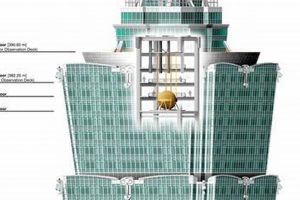



A bioclimatic skyscraper is a building that is designed to respond to its surrounding climate and environment. It does this by using a variety of design features, such as natural ventilation, solar shading, and rainwater collection. Bioclimatic skyscrapers are becoming increasingly popular as a way to reduce energy consumption and create more sustainable buildings.
One of the key benefits of a bioclimatic skyscraper is its ability to reduce energy consumption. By using natural ventilation and solar shading, these buildings can reduce their reliance on mechanical heating and cooling systems. This can lead to significant cost savings and reduced greenhouse gas emissions.
Bioclimatic skyscrapers also offer a number of other benefits, such as improved indoor air quality, increased occupant comfort, and reduced noise pollution. These buildings can also be more aesthetically pleasing than traditional skyscrapers, as they often incorporate natural elements into their design.
The concept of bioclimatic architecture has been around for centuries, but it has only recently become popular for skyscrapers. This is due in part to advances in technology, which have made it possible to design and build buildings that are more responsive to their environment.
As the world becomes increasingly urbanized, bioclimatic skyscrapers are likely to become more common. These buildings offer a number of benefits that make them ideal for dense urban environments, such as reduced energy consumption, improved indoor air quality, and increased occupant comfort.
1. Sustainable

Sustainability is a key aspect of bioclimatic skyscrapers. These buildings are designed to minimize their environmental impact and maximize their energy efficiency. This is achieved through a variety of design features, such as natural ventilation, solar shading, and rainwater collection.
One of the most important aspects of sustainability is reducing energy consumption. Bioclimatic skyscrapers can reduce their energy consumption by up to 50% compared to traditional skyscrapers. This is achieved through the use of natural ventilation and solar shading. Natural ventilation uses fresh air from outside to cool the building, while solar shading reduces the amount of heat that enters the building through the windows.
Another important aspect of sustainability is reducing water consumption. Bioclimatic skyscrapers can reduce their water consumption by up to 30% compared to traditional skyscrapers. This is achieved through the use of rainwater collection systems. Rainwater collection systems collect rainwater from the roof of the building and store it for later use.
Bioclimatic skyscrapers are an important part of the future of sustainable architecture. They offer a number of benefits over traditional skyscrapers, including reduced energy consumption, reduced water consumption, and improved indoor air quality. As the world becomes increasingly urbanized, bioclimatic skyscrapers are likely to become more common.
2. Energy-efficient

Bioclimatic skyscrapers are designed to be energy-efficient, meaning they use less energy to operate than traditional skyscrapers. This is achieved through the use of a variety of design features, such as natural ventilation, solar shading, and rainwater collection.
Natural ventilation uses fresh air from outside to cool the building, while solar shading reduces the amount of heat that enters the building through the windows. Rainwater collection systems collect rainwater from the roof of the building and store it for later use.
By using these design features, bioclimatic skyscrapers can reduce their energy consumption by up to 50% compared to traditional skyscrapers. This can lead to significant cost savings and reduced greenhouse gas emissions.
One example of a bioclimatic skyscraper is the Council House 2 in Melbourne, Australia. This building uses natural ventilation, solar shading, and rainwater collection to reduce its energy consumption by 60%. The building also has a green roof, which helps to insulate the building and reduce the urban heat island effect.
Bioclimatic skyscrapers are an important part of the future of sustainable architecture. They offer a number of benefits over traditional skyscrapers, including reduced energy consumption, improved indoor air quality, and increased occupant comfort. As the world becomes increasingly urbanized, bioclimatic skyscrapers are likely to become more common.
3. Environmentally friendly

Bioclimatic skyscrapers are environmentally friendly buildings that are designed to minimize their impact on the environment. They do this by using a variety of sustainable design features, such as natural ventilation, solar shading, and rainwater collection.
One of the most important aspects of environmental friendliness is reducing energy consumption. Bioclimatic skyscrapers can reduce their energy consumption by up to 50% compared to traditional skyscrapers. This is achieved through the use of natural ventilation and solar shading. Natural ventilation uses fresh air from outside to cool the building, while solar shading reduces the amount of heat that enters the building through the windows.
Another important aspect of environmental friendliness is reducing water consumption. Bioclimatic skyscrapers can reduce their water consumption by up to 30% compared to traditional skyscrapers. This is achieved through the use of rainwater collection systems. Rainwater collection systems collect rainwater from the roof of the building and store it for later use.
Bioclimatic skyscrapers are an important part of the future of sustainable architecture. They offer a number of benefits over traditional skyscrapers, including reduced energy consumption, reduced water consumption, and improved indoor air quality. As the world becomes increasingly urbanized, bioclimatic skyscrapers are likely to become more common.
4. Healthy

Bioclimatic skyscrapers are healthy buildings that are designed to promote the health and well-being of their occupants. They do this by providing a number of features that improve indoor air quality, thermal comfort, and access to natural light.
One of the most important aspects of a healthy building is good indoor air quality. Bioclimatic skyscrapers can improve indoor air quality by using natural ventilation to bring in fresh air from outside. They can also use air filtration systems to remove pollutan
ts from the air.Thermal comfort is another important aspect of a healthy building. Bioclimatic skyscrapers can improve thermal comfort by using solar shading to reduce heat gain in the summer and by using thermal mass to store heat in the winter.Access to natural light is also important for health. Bioclimatic skyscrapers can provide access to natural light by using large windows and skylights.
There are a number of real-life examples of bioclimatic skyscrapers that have been shown to improve the health and well-being of their occupants. One example is the Council House 2 in Melbourne, Australia. This building uses natural ventilation, solar shading, and rainwater collection to reduce its energy consumption by 60%. The building also has a green roof, which helps to insulate the building and reduce the urban heat island effect. Studies have shown that the occupants of Council House 2 have better indoor air quality, thermal comfort, and access to natural light than the occupants of traditional skyscrapers.
The understanding of the connection between “Healthy” and “bioclimatic skyscraper” is important because it can help us to design buildings that are healthier for people. Bioclimatic skyscrapers can help to reduce the risk of respiratory problems, improve sleep quality, and increase productivity.
5. Comfortable

Bioclimatic skyscrapers are comfortable buildings that are designed to provide a high level of comfort for their occupants. They do this by providing a number of features that improve indoor air quality, thermal comfort, and access to natural light.
One of the most important aspects of a comfortable building is good indoor air quality. Bioclimatic skyscrapers can improve indoor air quality by using natural ventilation to bring in fresh air from outside. They can also use air filtration systems to remove pollutants from the air.
Thermal comfort is another important aspect of a comfortable building. Bioclimatic skyscrapers can improve thermal comfort by using solar shading to reduce heat gain in the summer and by using thermal mass to store heat in the winter.
Access to natural light is also important for comfort. Bioclimatic skyscrapers can provide access to natural light by using large windows and skylights.
There are a number of real-life examples of bioclimatic skyscrapers that have been shown to improve the comfort of their occupants. One example is the Council House 2 in Melbourne, Australia. This building uses natural ventilation, solar shading, and rainwater collection to reduce its energy consumption by 60%. The building also has a green roof, which helps to insulate the building and reduce the urban heat island effect. Studies have shown that the occupants of Council House 2 have better indoor air quality, thermal comfort, and access to natural light than the occupants of traditional skyscrapers.
Understanding the connection between “Comfortable” and “bioclimatic skyscraper” is important because it can help us to design buildings that are more comfortable for people. Bioclimatic skyscrapers can help to reduce the risk of respiratory problems, improve sleep quality, and increase productivity.
6. Beautiful

Bioclimatic skyscrapers are beautiful buildings that are designed to be in harmony with their surroundings. They often incorporate natural elements into their design, such as plants, water, and sunlight. This can create a more visually appealing and inviting space for occupants and visitors alike.
In addition to their aesthetic appeal, bioclimatic skyscrapers can also have a positive impact on the environment. By using natural ventilation and solar shading, these buildings can reduce their energy consumption and greenhouse gas emissions. This can help to create a more sustainable and healthy urban environment.
There are a number of real-life examples of bioclimatic skyscrapers that are both beautiful and sustainable. One example is the One Angel Square building in Manchester, England. This building uses a variety of sustainable design features, such as natural ventilation, solar shading, and rainwater collection. The building also has a green roof, which helps to insulate the building and reduce the urban heat island effect. One Angel Square has been recognized for its beauty and sustainability, winning a number of awards, including the RIBA Stirling Prize in 2013.
Understanding the connection between “Beautiful” and “bioclimatic skyscraper” is important because it can help us to design buildings that are both visually appealing and sustainable. Bioclimatic skyscrapers can help to create a more beautiful and sustainable urban environment.
7. Innovative

Bioclimatic skyscrapers are innovative buildings that use a variety of sustainable design features to reduce their environmental impact and improve the comfort of their occupants. These features can include natural ventilation, solar shading, rainwater collection, and green roofs.
One of the key aspects of bioclimatic skyscrapers is their use of innovative technologies to achieve their sustainability goals. For example, some bioclimatic skyscrapers use solar panels to generate their own electricity, while others use rainwater collection systems to reduce their water consumption. These technologies can help to make bioclimatic skyscrapers more sustainable and cost-effective in the long run.
Real-life examples of bioclimatic skyscrapers include the Council House 2 in Melbourne, Australia, and the One Angel Square building in Manchester, England. These buildings have both been recognized for their innovative design and their ability to reduce their environmental impact.
Understanding the connection between “Innovative” and “bioclimatic skyscraper” is important because it can help us to design buildings that are more sustainable and comfortable. Bioclimatic skyscrapers can help to reduce our reliance on fossil fuels, improve air quality, and create more livable cities.
Bioclimatic Skyscraper FAQs
This section provides answers to frequently asked questions about bioclimatic skyscrapers. These questions address common concerns and misconceptions about these innovative and sustainable buildings.
Question 1: What is a bioclimatic skyscraper?
A bioclimatic skyscraper is a building that is designed to respond to its surrounding climate and environment. It uses a variety of sustainable design features to reduce its environmental impact and improve the comfort of its occupants.
Question 2: What are the benefits of bioclimatic skyscrapers?
Bioclimatic skyscrapers offer a number of benefits, including reduced energy consumption, improved indoor air quality, increased occupant comfort, and reduced greenhouse gas emissions.
Question 3: What are some examples of bioclimatic skyscrapers?
There are a number of real-life examples of bioclimatic skyscrapers around the world. Some notable examples include the Council House 2 in Melbourne, Australia, and the One Angel Square building in Manchester, England.
Question 4: Are bioclimatic skyscrapers more expensive to build than traditional skyscrapers?
The cost of constructing a bioclimatic skys
craper can vary depending on the specific design and materials used. However, in the long run, bioclimatic skyscrapers can be more cost-effective than traditional skyscrapers due to their reduced energy consumption and operating costs.
Question 5: Are bioclimatic skyscrapers only suitable for certain climates?
Bioclimatic skyscrapers can be designed to adapt to a variety of climates. By using appropriate design strategies, bioclimatic skyscrapers can be built in both hot and cold climates, as well as in humid and dry climates.
Question 6: What is the future of bioclimatic skyscrapers?
Bioclimatic skyscrapers are an important part of the future of sustainable architecture. As the world becomes increasingly urbanized, bioclimatic skyscrapers will play a vital role in reducing the environmental impact of cities and improving the quality of life for urban dwellers.
These are just a few of the frequently asked questions about bioclimatic skyscrapers. We encourage you to learn more about these innovative and sustainable buildings and how they can help to create a more sustainable future.
Bioclimatic Skyscraper Tips
Bioclimatic skyscrapers are sustainable buildings that are designed to respond to their surrounding climate and environment. They use a variety of design features, such as natural ventilation, solar shading, and rainwater collection, to reduce their environmental impact and improve the comfort of their occupants.
Tip 1: Design for the local climate
The most effective bioclimatic skyscrapers are designed to respond to the specific climate of their location. This means considering factors such as temperature, humidity, and wind patterns. By understanding the local climate, architects can design buildings that are naturally comfortable and efficient.
Tip 2: Use natural ventilation
Natural ventilation is a key strategy for reducing energy consumption in bioclimatic skyscrapers. By using operable windows and doors, architects can allow fresh air to circulate through the building, reducing the need for mechanical ventilation.
Tip 3: Use solar shading
Solar shading is another important strategy for reducing energy consumption in bioclimatic skyscrapers. By using overhangs, fins, and other shading devices, architects can reduce the amount of solar heat that enters the building, reducing the need for air conditioning.
Tip 4: Use rainwater collection
Rainwater collection is a great way to reduce water consumption in bioclimatic skyscrapers. By collecting rainwater from the roof and storing it in a cistern, architects can use it for irrigation, flushing toilets, and other non-potable uses.
Tip 5: Use green roofs
Green roofs are a great way to improve the environmental performance of bioclimatic skyscrapers. By covering the roof with plants, architects can reduce the urban heat island effect, improve air quality, and provide habitat for wildlife.
By following these tips, architects can design bioclimatic skyscrapers that are sustainable, comfortable, and efficient. These buildings can help to reduce our reliance on fossil fuels, improve air quality, and create more livable cities. With continued innovation, bioclimatic skyscrapers have the potential to play a major role in the future of sustainable architecture.
Conclusion:
Conclusion
Bioclimatic skyscrapers are a promising solution to the challenges of sustainability and climate change. By using a variety of design strategies, these buildings can reduce their environmental impact and improve the comfort of their occupants. As the world becomes increasingly urbanized, bioclimatic skyscrapers will play a vital role in creating more sustainable and livable cities.
The exploration of bioclimatic skyscrapers has revealed several key points.
Bioclimatic skyscrapers are designed to respond to their surrounding climate and environment. Bioclimatic skyscrapers use a variety of sustainable design features, such as natural ventilation, solar shading, and rainwater collection. Bioclimatic skyscrapers offer a number of benefits, including reduced energy consumption, improved indoor air quality, increased occupant comfort, and reduced greenhouse gas emissions.As we continue to learn more about bioclimatic skyscrapers, we can expect to see even more innovative and sustainable designs in the future. These buildings have the potential to revolutionize the way we live and work, and help us to create a more sustainable future for all.