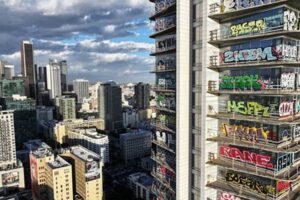



A biophilic skyscraper is a building that incorporates natural elements and features to improve the well-being of its occupants. This can include the use of natural light, plants, water features, and natural materials. Biophilic skyscrapers are designed to create a more sustainable and healthy environment for people to live and work in.
There are many benefits to living and working in a biophilic skyscraper. Natural light has been shown to improve mood, productivity, and sleep quality. Plants can help to purify the air and reduce stress levels. Water features can create a calming and relaxing atmosphere. Natural materials can help to create a more comfortable and inviting space.
The concept of biophilic design has been around for centuries. However, it has only recently become more popular in the design of skyscrapers. This is due in part to the growing awareness of the importance of sustainability and well-being. As more people become aware of the benefits of biophilic design, it is likely that we will see more biophilic skyscrapers being built in the future.
1. Natural light

Natural light is one of the most important elements of a biophilic skyscraper. It has been shown to have a number of benefits for human health and well-being, including:
- Improved mood
- Increased productivity
- Better sleep quality
- Reduced stress levels
Natural light is also essential for circadian rhythm regulation. Circadian rhythm is the body’s natural sleep-wake cycle. It is regulated by exposure to light and dark. When we are exposed to natural light during the day, it helps to keep us awake and alert. When we are exposed to darkness at night, it helps us to fall asleep and stay asleep.
In biophilic skyscrapers, natural light is typically maximized through the use of large windows and skylights. This allows occupants to enjoy the benefits of natural light throughout the day.
One example of a biophilic skyscraper that makes good use of natural light is the One Central Park building in Sydney, Australia. This building has a unique design that features a large central atrium that is open to the sky. This atrium allows natural light to flood into the building, creating a bright and inviting space for occupants.
The use of natural light in biophilic skyscrapers is an important way to improve the health and well-being of occupants. By incorporating natural light into their designs, architects can create buildings that are more sustainable, healthy, and comfortable.
2. Plants

Plants are an essential component of biophilic skyscrapers. They provide a number of benefits, including:
- Improved air quality
- Reduced stress levels
- Increased productivity
- Enhanced creativity
- Improved mood
Plants can help to improve air quality by removing harmful pollutants and toxins. They can also help to reduce stress levels and improve mood by creating a more calming and relaxing environment. Studies have shown that exposure to plants can increase productivity and creativity. Plants can also help to improve overall well-being by providing a sense of connection to nature.
In biophilic skyscrapers, plants are often used to create green walls, living roofs, and indoor gardens. These features can help to improve the air quality, reduce stress levels, and create a more inviting and comfortable environment for occupants.
One example of a biophilic skyscraper that makes good use of plants is the Bosco Verticale in Milan, Italy. This building has two towers that are covered in over 2,000 trees and plants. The plants help to improve the air quality around the building and create a more inviting and comfortable environment for occupants.
The use of plants in biophilic skyscrapers is an important way to improve the health and well-being of occupants. By incorporating plants into their designs, architects can create buildings that are more sustainable, healthy, and comfortable.
3. Water features
Water features are an essential component of biophilic skyscrapers. They provide a number of benefits, including:
- Improved air quality
- Reduced stress levels
- Increased productivity
- Enhanced creativity
- Improved mood
- Reduced physical discomfort
Water features can help to improve air quality by increasing humidity levels. They can also help to reduce stress levels and improve mood by creating a more calming and relaxing environment. Studies have shown that exposure to water features can increase productivity and creativity. Water features can also help to reduce physical discomfort, such as dry eyes and skin.
In biophilic skyscrapers, water features are often used to create indoor waterfalls, fountains, and ponds. These features can help to improve the air quality, reduce stress levels, and create a more inviting and comfortable environment for occupants.
One example of a biophilic skyscraper that makes good use of water features is the Marina Bay Sands in Singapore. This building has a large indoor waterfall that is surrounded by lush greenery. The waterfall helps to improve the air quality and create a more relaxing and inviting environment for occupants.
The use of water features in biophilic skyscrapers is an important way to improve the health and well-being of occupants. By incorporating water features into their designs, architects can create buildings that are more sustainable, healthy, and comfortable.
4. Natural materials

Natural materials are an essential component of biophilic skyscrapers. They provide a number of benefits, including:
- Improved air quality
- Reduced stress levels
- Increased productivity
- Enhanced creativity
- Improved mood
- Reduced physical discomfort
Natural materials can help to improve air quality by absorbing harmful pollutants and toxins. They can also help to reduce stress levels and improve mood by creating a more calming and relaxing environment. Studies have shown that exposure to natural materials can increase productivity and creativity. Natural materials can also help to reduce physical discomfort, such as dry eyes and skin.
In biophilic skyscrapers, natural materials are often used for flooring, walls, ceilings, and furniture. These materials can help to create a more inviting and comfortable environment for occupants.
One example of a biophilic skyscraper that makes good use of natural materials is the Bullitt Center in Seattle, USA. This building is made from a variety of natural materials, including wood, stone, and concrete. The use of natural materials helps to create a healthy and sustainable indoor environment for occupants.The use of natural materials in biophilic skyscrapers is an important way to improve the health and well-being of occupants. By incorporating natural materials into their designs, architects can create buildings that are more sustainable, healthy, and comfortable.
5. Sustainable

Sustainability is a key aspect of biophilic skyscraper design. Biophilic skyscrapers are designed to be environmentally friendly and to have a positive impact on the well-being of occupants. This can be achieved through the use of sustainable materials and construction methods, as well as the incorporation of natural elements and features into the design.
- Energy efficiency
Biophilic skyscrapers are designed to be energy efficient, using natural light and ventilation to reduce the need for artificial lighting and cooling. This can be achieved through the use of large windows, skylights, and operable windows.
- Water conservation
Biophilic skyscrapers are designed to conserve water, using rainwater harvesting systems and low-flow fixtures. This can help to reduce the building’s impact on the local water supply.
- Waste reduction
Biophilic skyscrapers are designed to reduce waste, using recycled materials and composting systems. This can help to reduce the building’s impact on the environment.
- Indoor environmental quality
Biophilic skyscrapers are designed to have a positive impact on the indoor environmental quality, using natural materials and finishes to create a healthy and comfortable space for occupants. This can help to reduce the risk of sick building syndrome and other health problems.
By incorporating sustainable features into their designs, architects can create biophilic skyscrapers that are environmentally friendly and have a positive impact on the well-being of occupants.
6. Healthy

In the context of biophilic skyscrapers, “healthy” refers to the building’s ability to promote the physical, mental, and emotional well-being of its occupants. This can be achieved through a variety of design strategies, including the use of natural light, plants, water features, and natural materials.
- Improved air quality
Biophilic skyscrapers are designed to improve air quality by using natural ventilation and incorporating plants into the design. Plants help to remove harmful pollutants and toxins from the air, creating a healthier indoor environment for occupants.
- Reduced stress levels
Biophilic skyscrapers are designed to reduce stress levels by creating a calming and relaxing environment. This can be achieved through the use of natural light, plants, water features, and natural materials. Studies have shown that exposure to these elements can help to reduce stress levels and improve mood.
- Increased productivity
Biophilic skyscrapers are designed to increase productivity by creating a more comfortable and stimulating work environment. This can be achieved through the use of natural light, plants, and water features. Studies have shown that exposure to these elements can help to increase productivity and creativity.
- Enhanced creativity
Biophilic skyscrapers are designed to enhance creativity by creating a more inspiring and stimulating work environment. This can be achieved through the use of natural light, plants, and water features. Studies have shown that exposure to these elements can help to enhance creativity and problem-solving skills.
By incorporating these healthy design strategies, architects can create biophilic skyscrapers that promote the physical, mental, and emotional well-being of occupants. This can lead to a number of benefits, including improved health outcomes, reduced absenteeism, and increased productivity.
7. Comfortable

In the context of biophilic skyscrapers, “comfortable” refers to the building’s ability to provide a pleasant and supportive environment for its occupants. This can be achieved through a variety of design strategies, including the use of natural light, plants, water features, and natural materials.
Natural light has been shown to have a number of benefits for human health and well-being, including improved mood, increased productivity, and better sleep quality. Plants can help to purify the air and reduce stress levels. Water features can create a calming and relaxing atmosphere. Natural materials can help to create a more comfortable and inviting space.
In biophilic skyscrapers, these elements are often combined to create a comfortable and healthy indoor environment for occupants. For example, the One Central Park building in Sydney, Australia, uses large windows and skylights to maximize natural light, and also has a large indoor garden that helps to purify the air and reduce stress levels.
Creating comfortable biophilic skyscrapers is important for a number of reasons. First, comfortable buildings are more likely to be occupied and used by people. Second, comfortable buildings can help to improve the health and well-being of occupants. Third, comfortable buildings can help to reduce absenteeism and increase productivity.
By incorporating comfortable design strategies into their designs, architects can create biophilic skyscrapers that are not only sustainable and healthy, but also comfortable and enjoyable to live and work in.
8. Inviting

In the context of biophilic skyscrapers, “inviting” refers to the building’s ability to attract and welcome occupants. This can be achieved through a variety of design strategies, including the use of natural light, plants, water features, and natural materials.
Natural light has been shown to have a number of benefits for human health and well-being, including improved mood, increased productivity, and better sleep quality. Plants can help to purify the air and reduce stress levels. Water features can create a calming and relaxing atmosphere. Natural materials can help to create a more comfortable and inviting space.
In biophilic skyscrapers, these elements are often combined to create an inviting and healthy indoor environment for occupants. For example, the Bosco Verticale in Milan, Italy, uses large windows and skylights to maximize natural light, and also has a large number of plants and trees on its balconies and terraces. This creates an inviting and welcoming space for occupants, and has also been shown to improve air quality and reduce stress levels.
Creating inviting biophilic skyscrapers is important for a number of reasons. First, inviting buildi
ngs are more likely to be occupied and used by people. Second, inviting buildings can help to improve the health and well-being of occupants. Third, inviting buildings can help to reduce absenteeism and increase productivity.
By incorporating inviting design strategies into their designs, architects can create biophilic skyscrapers that are not only sustainable and healthy, but also inviting and enjoyable to live and work in.
9. Well-being
Biophilic skyscrapers are designed to enhance the physical, mental, and emotional well-being of their occupants. They incorporate natural elements like natural light, plants, water features, and natural materials to create a healthy and productive indoor environment.
- Improved air quality
Plants and natural ventilation systems help to improve air quality by removing harmful pollutants and toxins. This can lead to reduced respiratory problems, improved sleep quality, and increased cognitive function.
- Reduced stress levels
Exposure to nature has been shown to reduce stress levels and improve mood. Biophilic skyscrapers incorporate elements like natural light, plants, and water features to create a calming and relaxing atmosphere.
- Increased productivity
Studies have shown that exposure to natural elements can increase productivity and creativity. Biophilic skyscrapers provide occupants with access to natural light, plants, and other natural elements that can help to boost their productivity.
- Improved sleep quality
Natural light and fresh air can help to improve sleep quality. Biophilic skyscrapers are designed to maximize natural light exposure and provide access to fresh air, which can lead to better sleep and improved overall health.
These are just a few of the ways that biophilic skyscrapers can enhance the well-being of their occupants. By incorporating natural elements into their designs, architects can create buildings that are not only sustainable and healthy, but also comfortable and enjoyable to live and work in.
FAQs on Biophilic Skyscrapers
Biophilic skyscrapers are a relatively new concept, and as such, there are many common questions and misconceptions about them.
Question 1: What is a biophilic skyscraper?
A biophilic skyscraper is a building that incorporates natural elements and features to improve the well-being of its occupants. These elements can include natural light, plants, water features, and natural materials.
Question 2: What are the benefits of living or working in a biophilic skyscraper?
There are many benefits to living or working in a biophilic skyscraper. These benefits include improved air quality, reduced stress levels, increased productivity, improved sleep quality, and enhanced creativity.
Question 3: Are biophilic skyscrapers sustainable?
Yes, biophilic skyscrapers can be sustainable. They can be designed to be energy efficient, water efficient, and waste reducing. Additionally, the use of natural materials and natural ventilation can help to reduce the building’s environmental impact.
Question 4: Are biophilic skyscrapers expensive to build?
The cost of building a biophilic skyscraper can vary depending on the size and complexity of the building. However, there are many ways to incorporate biophilic design elements into a building without significantly increasing the cost.
Question 5: Are biophilic skyscrapers popular?
Biophilic skyscrapers are becoming increasingly popular as people become more aware of the benefits of biophilic design. There are now many biophilic skyscrapers around the world, and this trend is expected to continue in the future.
Question 6: What are some examples of biophilic skyscrapers?
Some examples of biophilic skyscrapers include the One Central Park building in Sydney, Australia; the Bosco Verticale in Milan, Italy; and the Bullitt Center in Seattle, USA.
Biophilic skyscrapers offer a number of benefits for occupants, including improved well-being, increased productivity, and reduced environmental impact. As people become more aware of these benefits, biophilic skyscrapers are likely to become even more popular in the future.
Transition to the next article section…
Tips for Designing Biophilic Skyscrapers
Biophilic skyscrapers are designed to improve the well-being of their occupants by incorporating natural elements and features. Here are five tips for designing biophilic skyscrapers:
Tip 1: Maximize natural light.
Natural light has been shown to have a number of benefits for human health and well-being, including improved mood, increased productivity, and better sleep quality. Biophilic skyscrapers can maximize natural light by using large windows, skylights, and open floor plans.
Tip 2: Incorporate plants and greenery.
Plants can help to improve air quality, reduce stress levels, and increase creativity. Biophilic skyscrapers can incorporate plants into their designs by using green walls, living roofs, and indoor gardens.
Tip 3: Use water features.
Water features can create a calming and relaxing atmosphere. Biophilic skyscrapers can incorporate water features into their designs by using waterfalls, fountains, and ponds.
Tip 4: Use natural materials.
Natural materials can help to create a more comfortable and inviting space. Biophilic skyscrapers can use natural materials in their designs by using wood, stone, and concrete.
Tip 5: Create a connection to nature.
Biophilic skyscrapers can create a connection to nature by providing views of natural landscapes, using natural materials, and incorporating plants and water features into their designs.
By following these tips, architects can design biophilic skyscrapers that are healthy, sustainable, and enjoyable to live and work in.
Conclusion
Biophilic skyscrapers are a relatively new concept, but they are quickly gaining popularity as people become more aware of the benefits of biophilic design. Biophilic skyscrapers are designed to improve the well-being of their occupants by incorporating natural elements and features, such as natural light, plants, water features, and natural materials.
There is a growing body of evidence to support the benefits of biophilic design. Studies have shown that exposure to natural elements can reduce stress levels, improve mood, increase productivity, and enhance creativity. Biophilic skyscrapers can provide occupants with access to these natural elements, even in the heart of a city.
In addition to their health and well-being benefits, biophilic skyscrapers can also be sustainable and energy-efficient. By using natural light and ventilation, biophilic skyscrapers can reduce their energy consumption. Additionally, the use of natural materials and plants can help to reduce the building’s environmental impact.
As the world’s population continues to grow and cities become more crowded, biophilic skyscrapers offer a promising solution for creating healthy, sustainable, and enjoyable places to live and work.