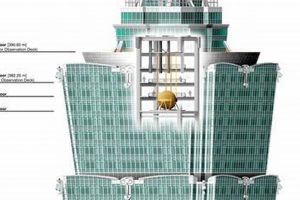



Skyscrapers are defined as tall, multi-storied buildings that house offices, residential units, or commercial establishments. “Cool looking skyscrapers” can be described as visually striking and impressive high-rise structures, often characterized by unique architectural designs, innovative building materials, and cutting-edge construction techniques.
These structures not only serve functional purposes but also contribute to the overall aesthetic appeal of a city’s skyline. They can become iconic landmarks, representing innovation, economic prosperity, and architectural prowess. Throughout history, skyscrapers have evolved in terms of design, functionality, and sustainability, reflecting advancements in engineering and architectural practices.
In this article, we will delve into the captivating world of “cool looking skyscrapers,” exploring their architectural significance, design principles, engineering marvels, and the impact they have on urban landscapes.
1. Height

Height is a defining characteristic of skyscrapers, and one of the key factors that contribute to their “cool” factor. Taller buildings offer several advantages, including:
- Panoramic views: Taller buildings offer breathtaking panoramic views of the surrounding cityscape, making them highly desirable for residential and commercial tenants.
- Architectural prominence: Height allows skyscrapers to stand out and become iconic landmarks, shaping the skyline of a city.
- Efficient land use: Building upwards allows for more efficient use of land, especially in densely populated urban areas.
- Engineering challenges: Constructing tall buildings presents unique engineering challenges, which architects and engineers must overcome to ensure structural integrity and safety.
The pursuit of height has driven innovation in skyscraper design and construction, leading to the development of new materials, structural systems, and construction techniques. Some of the tallest and most iconic “cool looking skyscrapers” in the world include the Burj Khalifa in Dubai, the Shanghai Tower in China, and the One World Trade Center in New York City.
2. Design

Design is a fundamental aspect of “cool looking skyscrapers,” encompassing the unique architectural elements that give each building its own identity and contribute to its overall visual appeal. “Cool” skyscrapers often showcase innovative and unconventional designs that push the boundaries of architectural expression.
- Form and Function: The design of a skyscraper should not only be visually striking but also functional, meeting the practical needs of its occupants and the surrounding environment. Architects must carefully consider the building’s shape, orientation, and structural systems to ensure both aesthetic appeal and optimal performance.
- Facade Design: The facade, or exterior surface, of a skyscraper plays a crucial role in its overall appearance. “Cool” skyscrapers often feature unique and eye-catching facade designs that incorporate innovative materials, textures, and patterns. These designs can enhance the building’s visual appeal and create a distinctive identity.
- Lighting Design: Lighting plays a vital role in enhancing the aesthetics of a skyscraper, particularly at night. Architects and lighting designers collaborate to create dynamic and visually engaging lighting schemes that highlight the building’s architectural features and create a unique nighttime presence.
- Sustainability and Design: In recent years, sustainability has become an increasingly important consideration in skyscraper design. “Cool” skyscrapers often incorporate sustainable design principles and technologies to reduce their environmental impact. This may include the use of energy-efficient materials, renewable energy sources, and rainwater harvesting systems.
The design of a “cool looking skyscraper” is a complex and multifaceted process that requires collaboration between architects, engineers, and other professionals. By carefully considering the building’s form, function, facade, lighting, and sustainability, architects can create skyscrapers that are not only visually stunning but also functional and environmentally responsible.
3. Materials

The choice of materials plays a crucial role in determining the structural integrity, aesthetic appeal, and sustainability of “cool looking skyscrapers.” Architects and engineers carefully select materials that meet specific performance requirements while also contributing to the overall design concept.
- Strength and Durability: Skyscrapers are subjected to various forces, including gravity, wind, and seismic activity. The materials used in their construction must be strong and durable enough to withstand these forces and ensure the safety of occupants. Common materials used for structural components include steel, concrete, and composite materials.
- Facade Design: The facade of a skyscraper is its exterior surface, and the materials used play a significant role in its visual appeal. Glass, metal panels, and stone are popular choices for facade materials. These materials can be combined in various ways to create unique and eye-catching designs.
- Sustainability: In recent years, sustainability has become an increasingly important consideration in the construction industry. Skyscrapers can incorporate sustainable materials, such as recycled steel, low-VOC paints, and energy-efficient glass, to reduce their environmental impact.
- Innovation: The pursuit of “cool looking skyscrapers” often drives innovation in the development of new materials. Architects and engineers are constantly exploring new materials and construction techniques to create unique and visually stunning buildings.
The choice of materials for “cool looking skyscrapers” is a complex and multifaceted process that involves considerations of structural performance, aesthetic appeal, sustainability, and innovation. By carefully selecting and combining materials, architects and engineers can create skyscrapers that are not only visually stunning but also safe, durable, and environmentally responsible.
4. Shape

The shape of a skyscraper is a crucial factor that contributes to its overall aesthetic appeal and visual impact. “Cool looking skyscrapers” often showcase unique and un
conventional shapes that defy traditional architectural norms.
The shape of a skyscraper can be influenced by several factors, including:
- Function: The function of a skyscraper, whether it be residential, commercial, or mixed-use, can influence its shape. For example, a residential skyscraper may have a more regular shape to maximize living space, while a commercial skyscraper may have a more complex shape to accommodate different types of office spaces.
- Structural considerations: The shape of a skyscraper must also consider structural requirements. The building must be able to withstand gravity, wind, and seismic forces. The shape of the building can be optimized to reduce wind resistance and improve structural stability.
- Architectural expression: Architects often use the shape of a skyscraper to express their creativity and create a unique identity for the building. Unusual and eye-catching shapes can make a skyscraper stand out from the surrounding buildings and become a landmark.
The pursuit of “cool looking skyscrapers” has led to the development of innovative and unconventional shapes. Some of the most iconic skyscrapers in the world, such as the Burj Khalifa and the Shanghai Tower, feature unique and visually striking shapes that have become synonymous with their respective cities.
The shape of a skyscraper is not merely an aesthetic consideration; it also has practical implications. The shape of the building can affect factors such as wind resistance, energy efficiency, and natural light penetration. By carefully considering the shape of the building, architects can create skyscrapers that are not only visually stunning but also functional and sustainable.
5. Innovation

Innovation is a driving force behind the creation of “cool looking skyscrapers.” It encompasses the development of new architectural concepts, structural systems, and construction techniques that push the boundaries of what is possible in high-rise design. Architects and engineers constantly explore new ways to make skyscrapers taller, more efficient, and more sustainable.
One of the most significant ways that innovation has impacted skyscraper design is through the development of new structural systems. Traditional skyscrapers relied on steel frames to support their weight, but modern skyscrapers often use reinforced concrete cores or composite structures that combine steel and concrete. These innovative structural systems allow architects to create taller and more slender buildings that would not be possible with traditional methods.
Another area where innovation has played a crucial role is in the development of new facade systems. Facades are the exterior surfaces of skyscrapers, and they play a major role in determining the building’s overall appearance. Modern facade systems often incorporate advanced materials, such as glass, metal, and composite panels, that allow architects to create unique and visually striking designs.
Innovation has also led to the development of new sustainable technologies that are incorporated into “cool looking skyscrapers.” These technologies include energy-efficient lighting systems, rainwater harvesting systems, and solar panels. By incorporating sustainable features into their designs, architects can create skyscrapers that are not only visually appealing but also environmentally responsible.
The pursuit of innovation is essential for the continued development of “cool looking skyscrapers.” By pushing the boundaries of architectural design and engineering, architects and engineers can create skyscrapers that are not only visually stunning but also functional, sustainable, and iconic.
6. Function

In the realm of “cool looking skyscrapers,” function plays a pivotal role in shaping the overall design and aesthetics of these architectural marvels. Skyscrapers are not mere aesthetic statements; they serve specific purposes and house a variety of functions that cater to the needs of modern society.
- Commercial Hubs: Skyscrapers often serve as commercial hubs, housing offices, retail spaces, and conference centers. These buildings are designed to facilitate business activities, providing efficient and modern work environments.
- Residential Living: Residential skyscrapers offer luxurious living spaces high above the ground, providing stunning views and exclusive amenities. These buildings are designed to cater to the needs of urban dwellers seeking a sophisticated and convenient lifestyle.
- Mixed-Use Complexes: Many modern skyscrapers are mixed-use developments, combining residential, commercial, and retail spaces within a single structure. These buildings create vibrant and self-contained communities, offering a diverse range of amenities and services.
- Public Spaces and Amenities: Some “cool looking skyscrapers” incorporate public spaces and amenities into their design, such as rooftop gardens, observation decks, and art installations. These spaces enhance the urban environment and contribute to the overall livability of the city.
The function of a skyscraper influences its design in numerous ways. For instance, commercial skyscrapers often feature large, open floor plans to accommodate flexible office layouts. Residential skyscrapers, on the other hand, may prioritize natural light and views, with floor-to-ceiling windows and balconies. Mixed-use skyscrapers require careful planning to integrate different functions seamlessly and create a cohesive living and working environment.
By carefully considering function, architects can create “cool looking skyscrapers” that not only make a striking visual statement but also meet the practical needs of their occupants and contribute to the vibrant tapestry of urban life.
7. Sustainability

In the realm of “cool looking skyscrapers,” sustainability has emerged as a crucial aspect, shaping the design, construction, and operation of these architectural wonders. By embracing sustainable practices, architects and engineers can create skyscrapers that not only make a striking visual statement but also contribute to a greener and more sustainable built environment.
- Energy Efficiency
Sustainable skyscrapers prioritize energy efficiency, reducing their environmental impact and operating costs. Architects employ strategies such as incorporating energy-efficient lighting systems, optimizing building orientation for natural light, and installing renewable energy sources like solar panels.
- Water Conservation
Water conservation is essential in sustainable skyscraper design. Buildings can implement rainwater harvesting systems, use low-flow plumbing fixtures, and incorporate native landscaping to reduce water consumption and promote water conservation.
- Material Selection
The selection of sustainable materials plays a significant role in reducing the environmental impact of skyscrapers. Architects opt for materials with low embodied carbon, recycled content, and durability to minimize waste and promote a circular economy.
Indoor Environmental Quality Sustainable skyscrapers prioritize the well-being of occupants by ensuring good indoor air quality, thermal comfort, and access to natural light. This involves incorporating green spaces, operable windows, and advanced HVAC systems that promote a healthy and productive indoor environment.
By integrating these sustainable practices, “cool looking skyscrapers” can not only achieve stunning aesthetics but also contribute to a more nachhaltig and livable urban environment. They serve as beacons of innovation, demonstrating that sustainability and architectural excellence can go hand in hand.
8. Landmark

In the realm of architecture, “cool looking skyscrapers” often transcend their functional purpose and become iconic landmarks that define a city’s skyline and cultural identity. These architectural marvels possess unique design elements and innovative features that set them apart from ordinary buildings, establishing them as symbols of progress, creativity, and urban pride.
- Architectural Prowess: Landmark skyscrapers showcase exceptional architectural prowess, pushing the boundaries of design and engineering. They often feature innovative structural systems, daring forms, and striking facades that make them instantly recognizable and visually captivating.
- Cultural Significance: Cool looking skyscrapers can embody the cultural heritage and aspirations of a city or region. They become focal points for civic events, celebrations, and public gatherings, serving as symbols of community identity and pride.
- Economic Drivers: Landmark skyscrapers can serve as economic catalysts, attracting tourism, investment, and business to a city. Their unique designs and iconic status create a buzz that draws visitors and generates revenue, contributing to the local economy.
- Historical Markers: Over time, cool looking skyscrapers can become historical landmarks, preserving the architectural legacy of a city and serving as reminders of significant events or eras. They provide a tangible connection to the past and help shape the collective memory of a community.
The connection between “landmark” and “cool looking skyscrapers” is inseparable. These architectural wonders not only enhance the visual appeal of a city but also serve as symbols of innovation, cultural identity, and economic prosperity. They are testaments to human ingenuity and the pursuit of architectural excellence, leaving a lasting legacy on the urban landscape.
9. Aesthetics

In the realm of architecture, aesthetics plays a pivotal role in shaping the visual appeal and overall perception of “cool looking skyscrapers.” Aesthetics encompasses the sensory qualities and artistic considerations that contribute to the beauty and desirability of these architectural marvels. The connection between aesthetics and cool looking skyscrapers is multifaceted and profound, influencing various aspects of their design, construction, and reception.
One of the primary ways in which aesthetics manifests in cool looking skyscrapers is through their unique and striking designs. Architects and designers strive to create buildings that are visually captivating, employing innovative forms, patterns, and textures to attract attention and elicit admiration. The Burj Khalifa in Dubai, for example, is renowned for its soaring height and distinctive tapering form, which has become an iconic symbol of the city’s skyline. The Shanghai Tower in China, on the other hand, features a twisting, asymmetrical design that creates a dynamic and visually arresting effect.
Beyond their overall form, the facades of cool looking skyscrapers also play a crucial role in enhancing their aesthetic appeal. Architects often incorporate a variety of materials, such as glass, metal, and stone, to create visually interesting and textured surfaces. The use of reflective glass, for instance, can create a shimmering and ethereal effect, while intricate metalwork can add a touch of elegance and sophistication. The One World Trade Center in New York City is a prime example of how a well-designed facade can elevate the aesthetics of a skyscraper, with its shimmering glass exterior reflecting the surrounding cityscape and creating a captivating visual spectacle.
The significance of aesthetics in cool looking skyscrapers extends beyond mere visual appeal. It also has a practical impact on the building’s functionality and desirability. Buildings with striking and visually pleasing designs are often more attractive to tenants and visitors, leading to higher occupancy rates and increased revenue. Moreover, well-designed skyscrapers can contribute to the overall livability and well-being of their occupants. Studies have shown that exposure to aesthetically pleasing environments can have positive effects on mood, productivity, and overall health.
In conclusion, the connection between aesthetics and cool looking skyscrapers is inseparable. Aesthetics plays a vital role in shaping the visual appeal, desirability, and overall impact of these architectural wonders. By carefully considering the aesthetic qualities of their designs, architects and designers can create skyscrapers that not only meet functional requirements but also inspire, delight, and enrich the urban environment.
FAQs on “Cool Looking Skyscrapers”
This section addresses frequently asked questions and misconceptions surrounding “cool looking skyscrapers,” providing concise and informative answers.
Question 1: What defines a “cool looking skyscraper”?
A “cool looking skyscraper” is a subjective term used to describe high-rise buildings that exhibit unique and visually striking architectural features. These features may include innovative designs, unconventional shapes, distinctive facades, and impressive heights.
Question 2: What are the benefits of building “cool looking skyscrapers”?
Beyond their aesthetic appeal, “cool looking skyscrapers” can offer several benefits, including increased tourism, economic growth, and enhanced urban livability. They can become iconic landmarks, attract businesses and investments, and create vibrant public spaces.
Question 3: How do architects design “cool looking skyscrapers”?
Designing “cool looking skyscrapers” requires a combination of creativity, engineering expertise, and a deep understanding of aesthetics. Architects employ innovative structural systems, explore unconventional shapes, and incorporate visually appealing materials to achieve striking and functional designs.
Question 4: Are “cool looking skyscrapers” sustainable?
Sustainability is an increasingly important consideration in skyscraper design. Many “cool looking skyscrapers” incorporate sustainable features such as energy-efficient lighting, water conservation systems, and recycled materials to reduce their environmental impact.
Question 5: What are some of the most iconic “cool looking skyscrapers” in the world?
Notable examples of “cool looking skyscrapers” include the Burj Khalifa in Dubai, the Shanghai Tower in China, the One World Trade Center in New York City, and the Petronas Towers in Kuala Lumpur.
Question 6: How can I visit or experience “cool looking skyscrapers”?
Many “cool looking skyscrapers” offer public observation decks or tours that allow visitors to appreciate their architectural grandeur and enjoy panoramic city views.
In conclusion, “cool looking skyscrapers” represent a fusion of architectural innovation, aesthetic excellence, and functional purpose. They contribute to the visual appeal of cities, stimulate economic growth, and enhance our appreciation of the built environment.
Transition to the next article section: While “cool looking skyscrapers” captivate our attention with their striking designs, it is equally important to consider their impact on urban planning, sustainability, and the overall livability of our cities.
Tips on Designing “Cool Looking Skyscrapers”
Designing “cool looking skyscrapers” requires a blend of creativity, technical expertise, and a deep understanding of urban planning and sustainability. Here are several tips to consider:
Tip 1: Prioritize Functionality and Sustainability
While aesthetics are important, skyscrapers should przede wszystkim meet functional requirements and incorporate sustainable design principles. This includes optimizing energy efficiency, water conservation, and indoor environmental quality.Tip 2: Embrace Innovation and Technology
Explore innovative structural systems, advanced materials, and smart technologies to achieve unique and sustainable designs. Consider incorporating renewable energy sources and intelligent building management systems.Tip 3: Create a Distinctive Facade
The facade is a crucial element in shaping the visual impact of a skyscraper. Experiment with different materials, textures, and patterns to create a visually striking and memorable exterior.Tip 4: Consider the Urban Context
Skyscrapers should complement and enhance the surrounding urban environment. Consider the scale, style, and historical context of the surrounding buildings to ensure harmonious integration.Tip 5: Maximize Natural Light and Views
Incorporate large windows and balconies to maximize natural light and provide occupants with stunning city views. This enhances the well-being and productivity of building users.Tip 6: Design for Flexibility and Adaptability
Skyscrapers should be designed to accommodate evolving needs and future technological advancements. Consider flexible floor plans, modular components, and adaptable building systems.Tip 7: Collaborate with Experts
Designing “cool looking skyscrapers” requires a multidisciplinary approach. Collaborate with architects, engineers, sustainability experts, and urban planners to achieve a holistic and successful design.Tip 8: Seek Inspiration and Learn from Others
Study iconic skyscrapers worldwide to understand their design principles and innovative solutions. Attend industry conferences and engage with design professionals to stay abreast of the latest trends.
By following these tips, architects and designers can create “cool looking skyscrapers” that not only capture attention but also contribute positively to the urban environment and the well-being of their occupants.
Conclusion: Designing “cool looking skyscrapers” is an art and a science. By embracing creativity, innovation, and sustainability, architects can create architectural marvels that enhance our cities and inspire future generations.
Conclusion
Our journey into the realm of “cool looking skyscrapers” has revealed the captivating allure of these architectural wonders. Their unique designs, innovative engineering, and striking aesthetics have transformed skylines worldwide, making them symbols of progress, creativity, and urban pride.
As we look to the future, the pursuit of “cool looking skyscrapers” will undoubtedly continue, driven by advancements in technology, sustainable design practices, and the relentless human desire to push architectural boundaries. These skyscrapers will not only serve as visual landmarks but also as testaments to our ingenuity and our enduring fascination with the skies above.