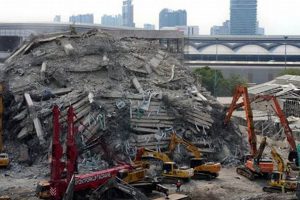



Controlled demolition of skyscrapers, also known as implosion, is a highly specialized and dangerous technique used to demolish tall buildings in a controlled and precise manner. Unlike traditional demolition methods, which involve using wrecking balls or explosives to bring down a building, controlled demolition uses strategically placed explosive charges to weaken the building’s support structures, causing it to collapse inward upon itself.
Controlled demolition of skyscrapers is often used when traditional demolition methods are not feasible or pose too great a risk to surrounding structures or the environment. It allows for a more precise and controlled demolition, minimizing the risk of collateral damage and ensuring that the building falls in a predetermined direction. This technique has been used to demolish numerous skyscrapers around the world, including the Singer Building in New York City and the Kowloon Walled City in Hong Kong.
There are several key advantages to using controlled demolition for skyscraper demolition. First, it allows for a more precise and controlled demolition, minimizing the risk of collateral damage. Second, it is a relatively quick and efficient method, as the building can be brought down in a matter of seconds. Third, it is a relatively safe method, as the use of explosives is carefully controlled and monitored.
1. Precision
Precision is a key advantage of controlled demolition, as it allows for a more precise and controlled demolition, minimizing the risk of collateral damage. This is achieved by carefully placing explosive charges in key structural points of the building, which are then detonated in a carefully sequenced manner. This allows for the building to be brought down in a controlled and predictable manner, with minimal impact on surrounding structures and the environment.
- Placement of explosive charges: The placement of explosive charges is critical to the success of a controlled demolition. The charges must be placed in such a way that they weaken the building’s support structures without causing the building to collapse prematurely. This requires a high level of expertise and experience.
- Timing of the detonation: The timing of the detonation is also critical. The charges must be detonated in a carefully sequenced manner to ensure that the building collapses in a controlled and predictable manner. This requires precise timing and coordination.
- Real-life examples: Controlled demolition has been used to successfully demolish numerous skyscrapers around the world, including the Singer Building in New York City and the Kowloon Walled City in Hong Kong. These demolitions were carried out with minimal collateral damage, demonstrating the precision and effectiveness of this technique.
In conclusion, precision is a key advantage of controlled demolition, as it allows for a more precise and controlled demolition, minimizing the risk of collateral damage. This makes it a valuable technique for demolishing tall buildings in a safe and controlled manner.
2. Speed

Speed is a key advantage of controlled demolition, as it allows for a quick and efficient demolition. This is achieved by using strategically placed explosive charges to weaken the building’s support structures, causing it to collapse inward upon itself in a matter of seconds. This makes controlled demolition a much faster method than traditional demolition methods, which can take days or even weeks to complete.
- Time savings: Controlled demolition can save a significant amount of time compared to traditional demolition methods. This is important for projects where time is of the essence, such as when a building needs to be demolished to make way for a new development.
- Reduced disruption: The speed of controlled demolition also means that it causes less disruption to surrounding businesses and residents. This is because the demolition can be completed quickly and efficiently, with minimal noise and dust.
- Safety: The speed of controlled demolition also makes it a safer method, as the building is brought down in a controlled and predictable manner. This reduces the risk of accidents or injuries.
In conclusion, speed is a key advantage of controlled demolition, as it allows for a quick and efficient demolition. This makes it a valuable technique for demolishing tall buildings in a safe and controlled manner.
3. Safety

Safety is a key consideration in any demolition project, and controlled demolition is no exception. However, controlled demolition is a relatively safe method, as the use of explosives is carefully controlled and monitored. This is achieved through a combination of careful planning, precision engineering, and strict safety protocols.
- Planning: The first step in ensuring the safety of a controlled demolition is careful planning. This includes a thorough assessment of the building’s structure, the surrounding environment, and the potential risks involved. The demolition plan is then developed to minimize these risks and ensure the safety of all involved.
- Precision engineering: The use of precision engineering is also essential for ensuring the safety of controlled demolition. The explosive charges are carefully placed and timed to ensure that the building collapses in a controlled and predictable manner. This minimizes the risk of unexpected or uncontrolled explosions.
- Safety protocols: Strict safety protocols are also in place to ensure the safety of all involved in a controlled demolition. These protocols include the use of protective clothing and equipment, the establishment of safety zones, and the training of all personnel involved in the demolition.
As a result of these careful measures, controlled demolition is a relatively safe method of demolition. This is supported by the fact that there have been very few accidents or injuries associated with controlled demolition projects. In fact, controlled demolition is often considered to be safer than traditional demolition methods, which can be more unpredictable and dangerous.
The safety of controlled demolition is a key reason why it is often used to demolish tall buildings in densely populated areas. For example, controlled demolition was used to demolish the Singer Building in New York City in 1968 and the Kowloon Walled City in Hong Kong in 1994. These demolitions were carried out safely and efficiently, with minimal disruption to surrounding areas.
In conclusion, the safety of controlled demolition is a key consideration in any
demolition project. Through careful planning, precision engineering, and strict safety protocols, controlled demolition is a safe and effective method of demolishing tall buildings in densely populated areas.
4. Planning

Planning is a critical aspect of controlled demolition, as it lays the foundation for a safe and successful operation. Careful planning helps to minimize risks, ensure precision, and optimize the overall effectiveness of the demolition process.
- Assessment and Analysis: Prior to any demolition activities, a thorough assessment of the building’s structure, surrounding environment, and potential risks is conducted. This assessment helps to identify any potential hazards and develop strategies to mitigate them.
- Demolition Plan: Based on the assessment, a comprehensive demolition plan is developed. This plan outlines the specific steps involved in the demolition, including the placement of explosive charges, the timing of the detonation, and the safety protocols that will be implemented.
- Precision Engineering: The placement of explosive charges and the timing of the detonation are critical factors in controlled demolition. Precise calculations are made to ensure that the building collapses in a controlled and predictable manner.
- Safety Protocols: Stringent safety protocols are established to minimize risks and ensure the safety of all personnel involved in the demolition. These protocols include the use of protective clothing and equipment, the establishment of safety zones, and the training of all personnel.
The careful planning and preparation involved in controlled demolition contribute to its effectiveness in demolishing tall buildings in densely populated areas. By meticulously planning each step of the process, risks are minimized, precision is ensured, and the safety of surrounding communities is prioritized.
5. Expertise

In the realm of controlled demolition skyscraper, expertise plays a pivotal role in ensuring the safety, precision, and effectiveness of the entire operation. Controlled demolition of skyscrapers is a highly specialized and complex undertaking that demands a deep understanding of structural engineering, explosives handling, and safety protocols.
- Planning and Preparation
Experts in controlled demolition possess the knowledge and experience to meticulously plan and prepare for the demolition process. They assess the building’s structure, surrounding environment, and potential risks to develop a comprehensive demolition plan that minimizes hazards and optimizes the outcome.
- Precision Execution
The precise placement of explosive charges and the careful timing of their detonation are crucial for a successful controlled demolition. Experts in this field have the technical skills and experience to execute these tasks with utmost precision, ensuring that the building collapses in a controlled and predictable manner.
- Safety Management
Safety is paramount in controlled demolition. Experts prioritize the safety of personnel involved in the operation and the surrounding community. They establish stringent safety protocols, including the use of protective gear, the establishment of safety zones, and the training of all personnel, to minimize risks and prevent accidents.
- Real-Life Examples
The expertise of controlled demolition experts has been showcased in numerous successful skyscraper demolitions worldwide. For instance, the controlled demolition of the Singer Building in New York City in 1968 and the Kowloon Walled City in Hong Kong in 1994 were carried out with precision and minimal collateral damage, demonstrating the high level of expertise and experience required for such complex operations.
In conclusion, the expertise of controlled demolition professionals is essential for the safe, efficient, and precise demolition of skyscrapers. Their knowledge, skills, and experience enable them to plan, execute, and manage these complex operations effectively, minimizing risks and ensuring the safety of all involved.
6. Cost
When considering the demolition of a skyscraper, cost is an important factor to take into account. Controlled demolition, while offering advantages in precision, speed, and safety, can sometimes come with a higher price tag compared to traditional demolition methods.
- Complexity and Precision
Controlled demolition involves meticulous planning, engineering, and execution to ensure a precise and controlled collapse of the building. This level of complexity and precision requires specialized expertise and equipment, which can increase the overall cost of the project.
- Explosive Charges and Equipment
The use of strategically placed explosive charges is a key aspect of controlled demolition. These charges, along with the specialized equipment required for their detonation and sequencing, can contribute to the higher cost of this method.
- Safety Measures and Liability
Safety is paramount in controlled demolition. Implementing stringent safety measures, including protective gear, safety zones, and training, can add to the overall project expenses. Additionally, the potential for liability and insurance costs associated with the use of explosives must also be considered.
- Site Preparation and Mitigation
Controlled demolition often requires extensive site preparation and mitigation measures to protect surrounding structures and the environment. These measures, such as debris containment systems and traffic control, can add to the overall project cost.
Despite the higher cost, controlled demolition remains a valuable option for skyscraper demolition in densely populated areas or when precision and safety are critical factors. However, it is essential to carefully evaluate the project-specific requirements and costs to determine the most appropriate demolition method.
7. Environmental impact

Controlled demolition, while offering precision and safety in skyscraper demolition, also has potential environmental impacts. The use of explosives can generate significant amounts of dust and debris, which can have negative effects on air quality and the surrounding environment.
The dust and debris generated by controlled demolition can contain harmful pollutants, including particulate matter, heavy metals, and other hazardous substances. These pollutants can pose risks to human health, particularly for those with respiratory conditions or allergies. The dust and debris can also settle on surfaces, contaminate water sources, and disrupt ecosystems.
To mitigate the environmental impact of controlled demolition, careful planning and mitigation measures are essential. These measures may include using dust suppr
ession techniques, such as water sprays or foam, to minimize the spread of dust and debris. Additionally, proper disposal of demolition waste and debris is crucial to prevent contamination of soil and water sources.
In some cases, alternative demolition methods that generate less dust and debris may be considered, such as mechanical demolition or deconstruction. However, these methods may not be feasible or suitable for all skyscraper demolition projects, especially those involving complex structures or densely populated areas.
Overall, understanding the environmental impact of controlled demolition is important when planning and executing skyscraper demolition projects. By implementing appropriate mitigation measures and exploring alternative methods where possible, the environmental impact of controlled demolition can be minimized, ensuring a balance between safety, precision, and environmental protection.
8. Legal and regulatory considerations

Legal and regulatory considerations play a crucial role in the context of controlled demolition skyscraper, as they establish the framework for the planning, execution, and safety of such operations. These considerations vary depending on the jurisdiction, reflecting the diverse legal and regulatory landscapes across different countries and regions.
- Building Codes and Permits
Controlled demolition of skyscrapers is subject to strict building codes and permit requirements. These regulations ensure that the demolition process adheres to safety standards, minimizes environmental impact, and complies with local zoning laws. Obtaining the necessary permits and approvals is essential before proceeding with controlled demolition. - Safety Regulations
Stringent safety regulations govern the use of explosives and the execution of controlled demolition. These regulations cover aspects such as personnel training, handling and storage of explosives, and emergency response protocols. Compliance with these regulations is paramount to prevent accidents and protect the safety of workers and the public. - Environmental Protection
Controlled demolition can generate significant dust and debris, posing potential environmental hazards. Legal and regulatory requirements often mandate measures to mitigate these impacts, such as dust suppression techniques, proper disposal of demolition waste, and adherence to air quality standards. - Insurance and Liability
Controlled demolition involves inherent risks, making insurance and liability considerations crucial. Demolition contractors must carry adequate insurance to cover potential damages to property or injuries to personnel. Legal and regulatory frameworks define the responsibilities and liabilities of various parties involved in the demolition process.
Understanding and adhering to the legal and regulatory considerations is paramount for successful and responsible controlled demolition of skyscrapers. By complying with building codes, safety regulations, environmental protection measures, and insurance requirements, stakeholders can ensure the safe execution of these complex operations, minimize risks, and protect the interests of all parties involved.
FAQs on Controlled Demolition Skyscraper
Controlled demolition skyscraper involves the intricate process of demolishing high-rise buildings using strategically placed explosives. This technique raises various questions and concerns. The following FAQs aim to provide informative answers to some of the common inquiries surrounding controlled demolition skyscraper.
Question 1: What are the advantages of controlled demolition for skyscrapers?
Controlled demolition offers several advantages for demolishing skyscrapers, including precision, speed, and safety. It allows for a more precise and controlled collapse of the building, minimizing the risk of damage to surrounding structures and the environment. Additionally, it is a relatively quick and efficient method compared to traditional demolition techniques.
Question 2: Is controlled demolition of skyscrapers safe?
When executed by trained professionals and with strict adherence to safety protocols, controlled demolition can be a relatively safe method. Meticulous planning, precision engineering, and stringent safety measures are employed to minimize risks and ensure the safety of personnel and the surrounding area.
Question 3: What are the environmental impacts of controlled demolition?
Controlled demolition can generate dust and debris, which pose potential environmental concerns. However, careful planning and mitigation measures, such as dust suppression techniques and proper disposal of demolition waste, can help minimize these impacts.
Question 4: How is the timing of the detonation determined?
The timing of the detonation is crucial and is precisely calculated based on the building’s structure and the desired collapse pattern. Engineers conduct thorough assessments and simulations to determine the sequence and timing of the explosions to achieve a controlled and predictable demolition.
Question 5: What are the legal and regulatory considerations?
Controlled demolition of skyscrapers is subject to legal and regulatory requirements, which vary depending on the jurisdiction. Building codes, safety regulations, environmental protection measures, and insurance requirements must be carefully followed to ensure compliance and minimize risks.
Question 6: How is the safety of surrounding areas ensured?
Prior to the demolition, a thorough assessment of the surrounding environment is conducted. Safety zones are established, traffic is controlled, and protective measures are implemented to safeguard nearby structures, infrastructure, and the public from potential hazards.
In summary, controlled demolition skyscraper is a complex and specialized technique that offers advantages in precision, speed, and safety when demolishing high-rise buildings. It requires meticulous planning, strict adherence to safety protocols, and careful consideration of environmental impacts. By addressing common concerns and providing informative answers, these FAQs aim to enhance the understanding of this demolition method.
Transition to the next article section…
Tips on Controlled Demolition Skyscraper
Controlled demolition of skyscrapers is a highly specialized and complex operation that requires meticulous planning and execution. Here are some essential tips to ensure a successful and safe controlled demolition:
Tip 1: Engage Experienced Professionals
Partner with experienced and licensed professionals who have a proven track record in controlled demolition of high-rise buildings. Their expertise and knowledge are invaluable in ensuring a safe and effective operation.
Tip 2: Thorough Planning and Assessment
Conduct a comprehensive assessment of the building’s structure, surrounding environment, and potential risks. Develop a detailed demolition plan that outlines the placement of explosive charges, timing of detonation, and safety protocols.
Tip 3: Precision Engineering and Calculations
Precisely calculate the placement and timing of explosive charges based on the building’s structural analysis. This ensures a controlled and predictable collapse, minimizing the risk of unintended damage.
Tip 4: Stringent S
afety Protocols
Implement stringent safety protocols, including the use of protective gear, establishment of safety zones, and training of all personnel involved. Safety should be the top priority throughout the demolition process.
Tip 5: Environmental Mitigation
Develop measures to mitigate the environmental impact of the demolition, such as dust suppression techniques, proper disposal of debris, and monitoring of air quality. Aim to minimize the environmental footprint of the operation.
Tip 6: Legal Compliance and Insurance
Ensure compliance with all applicable building codes, safety regulations, and environmental protection laws. Obtain necessary permits and insurance coverage to manage potential risks and liabilities.
Summary
By following these tips, stakeholders can enhance the safety, precision, and environmental sustainability of controlled demolition skyscraper projects. Meticulous planning, collaboration with experts, and strict adherence to safety protocols are crucial for successful execution. Controlled demolition remains a valuable technique for demolishing high-rise buildings in densely populated areas, providing a controlled and efficient solution with minimal disruption.
Controlled Demolition
Controlled demolition has emerged as a highly specialized and effective technique for demolishing skyscrapers. Through the strategic placement of explosive charges and precise timing, this method allows for a controlled and predictable collapse of high-rise buildings. This level of precision minimizes the risk of damage to surrounding structures and the environment, making it a valuable option in densely populated areas.
The key advantages of controlled demolition include precision, speed, and safety. It enables a more precise and controlled demolition compared to traditional methods, minimizing the risk of collateral damage. Additionally, the quick and efficient nature of controlled demolition reduces disruption to surrounding businesses and residents. Furthermore, when executed by trained professionals and with strict adherence to safety protocols, it can be a relatively safe method, ensuring the well-being of personnel and the public.
While controlled demolition may come with a higher cost and potential environmental impacts, careful planning and mitigation measures can minimize these concerns. By engaging experienced professionals, conducting thorough assessments, and implementing stringent safety protocols, stakeholders can harness the benefits of controlled demolition while ensuring a responsible and sustainable approach to high-rise building demolition.
In conclusion, controlled demolition skyscraper offers a precise, efficient, and safe solution for demolishing high-rise buildings, particularly in densely populated areas. With meticulous planning, expert execution, and a focus on safety and environmental protection, controlled demolition continues to be a valuable technique for managing the demolition of skyscrapers in a responsible and controlled manner.