


A bird’s eye view of skyscrapers refers to an elevated perspective that provides a comprehensive and panoramic vista of tall buildings from above. Often captured from an airplane, helicopter, or drone, this vantage point unveils the urban landscape’s intricate patterns, architectural marvels, and the interplay between human-made structures and the natural environment.
The significance of a bird’s eye view of skyscrapers lies in its ability to reveal the scale, complexity, and aesthetic beauty of modern cities. It offers a unique perspective that showcases the architectural prowess and engineering feats involved in constructing these towering giants. Moreover, it provides valuable insights into urban planning, land use patterns, and the relationship between built environments and their surroundings.
Historically, obtaining a bird’s eye view of skyscrapers was limited to a privileged few, typically architects, urban planners, and aviators. However, advancements in technology, particularly the proliferation of drones and high-resolution aerial photography, have democratized access to these awe-inspiring vistas. Today, anyone with an internet connection can explore the world’s skylines from the comfort of their own homes.
1. Scale

The scale of skyscrapers becomes strikingly apparent from a bird’s eye view, revealing their towering presence and dominance over the surrounding cityscape. This elevated perspective allows us to fully appreciate the sheer size and grandeur of these architectural marvels, which often dwarf other structures and create a sense of awe and wonder.
Consider the Empire State Building in New York City, standing at 1,454 feet tall with 102 stories. From a bird’s eye view, its Art Deco silhouette dominates the Midtown Manhattan skyline, emphasizing its iconic status and architectural significance. Similarly, the Burj Khalifa in Dubai, the world’s tallest building at 2,717 feet, appears as a colossal monolith piercing the heavens, showcasing the incredible engineering feats and architectural ambitions of modern society.
Understanding the scale of skyscrapers is not only important for appreciating their architectural beauty but also for comprehending their impact on urban planning and the surrounding environment. By providing a comprehensive view of skyscrapers in relation to their surroundings, a bird’s eye view enables urban planners and architects to make informed decisions about land use, zoning, and the overall design of cities.
2. Complexity

A bird’s eye view of skyscrapers unveils the intricate tapestry of architectural styles and engineering feats that define these modern marvels. From the Art Deco flourishes of the Empire State Building to the futuristic curves of the Burj Khalifa, each skyscraper stands as a testament to human ingenuity and creativity.
- Intricate Facades:
Skyscrapers often feature elaborate facades adorned with sculptures, carvings, and other decorative elements. These facades not only enhance the aesthetic appeal of the building but also provide insights into the architectural style and cultural influences of the time period in which they were built. From the Gothic Revival details of the Woolworth Building to the postmodern flourishes of the AT&T Building, intricate facades add character and visual interest to the urban landscape.
- Soaring Spires:
Many skyscrapers are crowned with soaring spires that reach towards the sky. These spires serve multiple purposes, including providing structural support, enhancing the building’s aesthetics, and acting as lightning rods. The Chrysler Building’s Art Deco spire is one of the most iconic examples, while the Petronas Towers in Kuala Lumpur feature two postmodern spires that symbolize the unity and progress of Malaysia.
- Innovative Engineering:
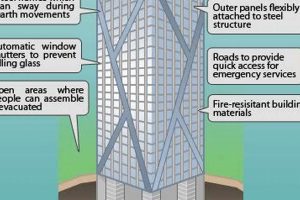
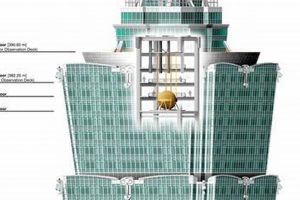
The construction of skyscrapers requires innovative engineering solutions to overcome challenges such as wind loads, seismic activity, and the need for efficient vertical transportation. Engineers employ a variety of techniques, including the use of advanced materials, wind tunnels, and base isolation systems, to ensure the structural integrity and safety of these towering giants. The Shanghai Tower, for example, features a unique double-skin facade that reduces wind loads and improves energy efficiency.
- Architectural Styles:
Skyscrapers showcase a wide range of architectural styles, reflecting the evolving tastes and technologies of different eras. From the Beaux-Arts grandeur of the early 20th century to the sleek modernism of the mid-century to the sustainable designs of today, skyscrapers serve as a living record of architectural history. The One World Trade Center, for example, combines elements of Gothic and Art Deco styles, while the Salesforce Tower in San Francisco embodies the principles of sustainable architecture with its LEED Platinum certification.
In conclusion, a bird’s eye view of skyscrapers reveals the symphony of architectural styles and engineering prowess that define these modern marvels. The intricate facades, soaring spires, innovative engineering, and diverse architectural styles showcased by skyscrapers make them iconic landmarks and testaments to human ingenuity and the pursuit of vertical living.
3. Beauty

From a bird’s eye view, the interplay of light, shadow, and form transforms skyscrapers into visually stunning compositions, showcasing their architectural beauty and sculptural qualities. This elevated perspective reveals the intricate details and patterns created by the interaction of sunlight and the building’s structure.
The Empire State Building, for example, takes on a new dimension when viewed from above. The building’s Art Deco setbacks and intricate crown are illuminated by the changing light throughout the day, creating a dynamic and ever-evolving spectacle. Similarly, the Petronas Towers in Kuala Lumpur appear as two gleaming spires reaching towards the sky, their facades reflecting the surrounding cityscape in a mesmerizing kaleidoscope of colors.
The beauty of skyscrapers is not limited to their individual forms but also extends to their collective presence in the urban landscape. From above, skyscrapers create a breathtaking skyline, with their varying heights, shapes, and colors forming a harmonious composition. The aerial view of Manhattan, for example, is an iconic image that symbolizes the power and dynamism of modern cities.Understanding the beauty of skyscrapers from a bird’s eye view is not merely an aesthetic pursuit but also has practical significance. Architects and urban planners use this perspective to design buildings that are n
ot only functional but also visually appealing and respectful of their surroundings. By considering the interplay of light, shadow, and form, they can create skyscrapers that enhance the urban environment and become landmarks in their own right.In conclusion, the beauty of skyscrapers, as revealed by a bird’s eye view, lies in the interplay of light, shadow, and form. This elevated perspective transforms these architectural marvels into urban sculptures, showcasing their aesthetic qualities and contributing to the overall beauty and dynamism of the cityscape.
4. Urban planning

A bird’s eye view of skyscrapers offers valuable insights into urban planning and land use patterns, revealing the intricate relationship between built environments and their surroundings. This elevated perspective allows urban planners and architects to analyze the spatial distribution of buildings, infrastructure, and open spaces within a city.
By studying bird’s eye views of skyscrapers, urban planners can identify patterns and trends in land use, such as the concentration of commercial buildings in central business districts or the development of residential areas around transportation hubs. This information helps them make informed decisions about zoning regulations, land use policies, and urban renewal projects. For example, a bird’s eye view of a city might reveal that a particular neighborhood is underserved by parks or green spaces. This insight can prompt urban planners to incorporate more green space into future development plans for that area.
Furthermore, a bird’s eye view of skyscrapers can help urban planners understand the impact of skyscrapers on the surrounding environment. For instance, tall buildings can cast shadows on nearby streets and buildings, affecting natural light and solar access. By analyzing the orientation and height of skyscrapers, urban planners can mitigate these effects and ensure a more balanced and sustainable urban environment.
In conclusion, a bird’s eye view of skyscrapers provides urban planners with a comprehensive understanding of land use patterns and the relationship between built environments and their surroundings. This knowledge is essential for creating well-planned, sustainable, and livable cities.
5. Context
A bird’s eye view of skyscrapers not only reveals the scale, complexity, and beauty of these architectural marvels but also showcases their integration with the surrounding urban environment. This elevated perspective allows us to appreciate how skyscrapers interact with parks, streets, and other urban elements, creating a cohesive and dynamic cityscape.
For instance, Central Park in New York City provides a verdant oasis amidst the towering skyscrapers of Midtown Manhattan. From a bird’s eye view, we can observe how the park serves as a vital green space for recreation, relaxation, and community gatherings, while also contributing to the overall aesthetic appeal of the neighborhood. Similarly, the Embarcadero in San Francisco offers a scenic waterfront promenade that connects skyscrapers to the bay, creating a vibrant and inviting public space.
Understanding the context of skyscrapers in relation to their surroundings is crucial for urban planning and sustainable city development. By analyzing the relationship between buildings and their environment, urban planners can design cities that are not only aesthetically pleasing but also functional, livable, and resilient.
For example, a bird’s eye view can reveal how skyscrapers affect wind patterns and pedestrian traffic flow. This information can be used to design buildings that minimize negative impacts and maximize the benefits of natural resources. Additionally, understanding the context of skyscrapers can help urban planners create more cohesive and integrated urban environments, where buildings complement each other and contribute to the overall livability of the city.
In conclusion, the context of skyscrapers, as revealed by a bird’s eye view, is an essential component of understanding their role in the urban landscape. By considering the integration of skyscrapers with parks, streets, and other urban elements, urban planners and architects can create more sustainable, livable, and human-centric cities.
6. History

A bird’s eye view of skyscrapers provides a unique perspective on the evolution of skylines, allowing us to witness the rise and transformation of cities over time. These elevated views offer valuable insights into the architectural, social, and economic forces that have shaped our urban landscapes.
- Documenting Urban Growth:
Bird’s eye views provide a comprehensive record of urban growth and expansion. By comparing historical aerial photographs with contemporary views, we can trace the physical changes that have occurred in cities, including the development of new neighborhoods, the construction of landmarks, and the expansion of transportation networks.
- Preserving Architectural Heritage:
Bird’s eye views serve as a valuable tool for preserving architectural heritage. They capture iconic buildings and structures from a unique perspective, providing a comprehensive view of their architectural features, urban context, and relationship to the surrounding environment. This documentation is essential for conservation efforts and historical research.
- Understanding Urban Planning:
Bird’s eye views offer insights into urban planning and development. By examining the layout of streets, parks, and buildings, we can understand the principles and theories that have guided the growth of cities. This information is invaluable for urban planners and policymakers seeking to create more sustainable and livable urban environments.
- Visualizing Historical Events:
Bird’s eye views can be used to visualize historical events that have shaped cities. For example, aerial photographs taken during wartime can provide a unique perspective on the impact of bombings and urban destruction. Similarly, bird’s eye views can capture the aftermath of natural disasters, such as earthquakes and floods, helping us to understand the resilience of urban communities.
In conclusion, the historical perspective offered by bird’s eye views of skyscrapers is essential for understanding the evolution of cities and the forces that have shaped their skylines. These elevated views provide valuable insights for architects, urban planners, historians, and anyone interested in the dynamic and ever-changing nature of our urban environments.
7. Culture

From a bird’s eye view, skyscrapers emerge as powerful symbols of urban culture and identity. Their towering presence and iconic designs reflect the aspirations, values, and unique characteristics of the cities they inhabit.
Consider the Empire State Building in New York City. Its Art Deco silhouette has become synonymous with the city’s status as a global financial and cultural hub. Similarly, the P
etronas Towers in Kuala Lumpur embody the economic of Malaysia and its ambition to become a modern, cosmopolitan nation. These skyscrapers are not merely buildings but cultural landmarks that shape the identity and image of their respective cities.
Understanding the cultural significance of skyscrapers from a bird’s eye view is essential for architects, urban planners, and policymakers. By considering the cultural values and aspirations of a city, they can design skyscrapers that are not only aesthetically pleasing but also resonate with the community and contribute to a strong sense of place.
Furthermore, a bird’s eye view reveals the relationship between skyscrapers and the surrounding urban fabric. By examining the placement of skyscrapers in relation to other buildings, public spaces, and transportation networks, we can gain insights into the cultural priorities and urban planning strategies of a city. For example, the concentration of skyscrapers in a central business district reflects the city’s focus on commerce and economic growth.
In conclusion, the connection between culture and a bird’s eye view of skyscrapers is vital for understanding the role of architecture in shaping urban identity and cultural expression. By appreciating the cultural significance of skyscrapers, we gain a deeper appreciation for the complex and dynamic nature of our urban environments.
8. Perspective

From a bird’s eye view, skyscrapers appear as miniature structures amidst the vast urban landscape. This elevated perspective shifts our perception of the city, reminding us of our place within the intricate tapestry of human-made environments.
- Scale and Proportion:
A bird’s eye view reveals the true scale and proportion of skyscrapers. From above, we can appreciate the sheer size and grandeur of these architectural marvels, which often dwarf other structures and dominate the skyline. This perspective emphasizes the dominance of human ingenuity and engineering prowess over the natural environment.
- Complexity and Detail:
Skyscrapers are intricate structures, with complex facades, soaring spires, and meticulously designed public spaces. A bird’s eye view allows us to appreciate the intricate details and architectural flourishes that might otherwise go unnoticed from ground level. This perspective highlights the artistry and creativity involved in skyscraper design.
- Urban Context:
From above, we can observe how skyscrapers interact with their surroundings. A bird’s eye view reveals the relationship between skyscrapers and parks, streets, and other urban elements, providing insights into urban planning and land use patterns. This perspective emphasizes the importance of integrating skyscrapers into the fabric of the city in a harmonious and sustainable manner.
- Human Experience:
A bird’s eye view reminds us of our place within the urban fabric. From above, we can observe the daily rhythms of city life, from the bustling streets to the tranquil parks. This perspective fosters a sense of connection to our surroundings and highlights the importance of creating cities that are both functional and livable.
In conclusion, the perspective gained from a bird’s eye view of skyscrapers offers valuable insights into the scale, complexity, and human experience of urban environments. This elevated vantage point reminds us of our place within the urban fabric and inspires us to create cities that are both awe-inspiring and sustainable.
Frequently Asked Questions on “Birds Eye View of Skyscrapers”
This section addresses common questions and misconceptions surrounding the topic of “birds eye view of skyscrapers,” providing informative answers to enhance understanding.
Question 1: What are the benefits of obtaining a bird’s eye view of skyscrapers?
A bird’s eye view of skyscrapers offers numerous benefits, including a comprehensive perspective on urban landscapes, an appreciation for architectural scale and complexity, and insights into urban planning and development. This elevated vantage point allows for a deeper understanding of the relationship between skyscrapers and their surroundings, fostering a sense of connection to the urban environment.
Question 2: How can a bird’s eye view contribute to urban planning and sustainable city development?
A bird’s eye view provides valuable insights for urban planners and policymakers. It facilitates the analysis of land use patterns, transportation networks, and the impact of skyscrapers on the environment. This information can inform decision-making processes, leading to more sustainable and livable urban environments that prioritize green spaces, efficient transportation, and a balanced integration of skyscrapers into the urban fabric.
Question 3: What role do skyscrapers play in shaping cultural identity and urban heritage?
Skyscrapers serve as cultural icons, embodying the aspirations, values, and unique characteristics of the cities they inhabit. Their architectural designs, symbolic meanings, and historical significance contribute to the cultural heritage and identity of urban centers. By preserving and celebrating these landmarks, cities can maintain a sense of continuity and connection to their past while embracing architectural innovation and urban transformation.
Question 4: How does a bird’s eye view enhance our understanding of scale and proportion in architecture?
A bird’s eye view provides a unique perspective on the scale and proportion of skyscrapers. From above, the true grandeur and dominance of these architectural marvels become apparent, emphasizing the ingenuity and engineering prowess involved in their construction. This elevated vantage point allows for a deeper appreciation of the intricate details, patterns, and relationships between different elements of a skyscraper’s design.
Question 5: What are some of the challenges associated with obtaining a bird’s eye view of skyscrapers?
Traditionally, obtaining a bird’s eye view of skyscrapers was limited due to safety concerns and accessibility restrictions. However, advancements in technology, such as drones and high-resolution aerial photography, have made it more feasible to capture these elevated perspectives. Nevertheless, certain challenges remain, including airspace regulations, weather conditions, and the need for specialized equipment and expertise.
Question 6: How can we ensure that skyscrapers contribute positively to the urban environment and promote sustainable development?
To ensure that skyscrapers contribute positively to the urban environment and promote sustainable development, several strategies can be employed. These include incorporating green building practices, such as energy-efficient systems, water conservation measures, and the use of sustainable materials. Additionally, urban planning regulations can mandate setbacks, height restrictions, and design guidelines that prioritize natural light access, wind flow, and the preservation of historic landmarks. By integrating skyscrapers harmoniously into the urban fabric and minimizing their environmental impact, cities can create more livable and sustainable urban environments.
In conclusion, understanding the significance of a “birds eye view of skyscrapers” provides valuable insights into urban landscapes, architectural marvels, and the intricate relationship between human-made structures and their surroundings. This elevated perspective fosters a deeper
appreciation for the scale, complexity, beauty, and cultural significance of skyscrapers, while also highlighting their impact on urban planning and sustainable city development.
Explore other sections of this article to delve into specific aspects of “birds eye view of skyscrapers” and gain a comprehensive understanding of this topic.
Tips for Understanding “Birds Eye View of Skyscrapers”
To gain a comprehensive understanding of “birds eye view of skyscrapers,” consider the following tips:
Tip 1: Explore Different Perspectives
Obtain bird’s eye views of skyscrapers from various sources, such as aerial photographs, drone footage, and observation decks. Each perspective offers unique insights into the scale, complexity, and context of these architectural marvels.
Tip 2: Study Architectural Details
Pay attention to the intricate details of skyscrapers, including their facades, spires, and setbacks. Analyze how these elements contribute to the overall aesthetic appeal, structural integrity, and functionality of the building.
Tip 3: Understand Urban Planning Principles
Examine the relationship between skyscrapers and their surroundings. Consider how urban planning decisions, such as zoning regulations and land use patterns, influence the placement and design of skyscrapers within the urban fabric.
Tip 4: Appreciate Cultural Significance
Recognize the cultural significance of skyscrapers as symbols of urban identity and economic power. Explore how architectural styles and design elements reflect the values, aspirations, and historical context of the cities they inhabit.
Tip 5: Consider Environmental Impact
Evaluate the environmental impact of skyscrapers, including their energy consumption, water usage, and contribution to urban heat island effects. Understand the strategies employed to mitigate these impacts and promote sustainable urban development.
Tip 6: Foster a Sense of Place
Appreciate the role of skyscrapers in shaping the urban skyline and creating a sense of place. Consider how these architectural landmarks contribute to the identity and character of the city.
Tip 7: Embrace Technological Advancements
Leverage technological advancements, such as drones and high-resolution aerial photography, to obtain unique and informative bird’s eye views of skyscrapers. These technologies provide valuable perspectives for architects, urban planners, and anyone interested in understanding the built environment.
Tip 8: Promote Sustainable Practices
Encourage the adoption of sustainable practices in the design and construction of skyscrapers. Advocate for energy-efficient systems, water conservation measures, and the use of sustainable materials to minimize the environmental impact of these urban giants.
By following these tips, you can deepen your understanding of “birds eye view of skyscrapers” and appreciate the significance of these architectural wonders in shaping our urban environments.
Conclusion
A bird’s eye view of skyscrapers offers a unique and captivating perspective on the urban landscape, revealing the scale, complexity, beauty, and cultural significance of these architectural marvels. It provides valuable insights into urban planning, history, and the relationship between humans and their built environments.
As cities continue to grow and evolve, skyscrapers will undoubtedly remain prominent features of our skylines. Embracing sustainable practices, fostering a sense of place, and appreciating the cultural heritage of these architectural icons will be essential for creating livable and vibrant urban environments for future generations.