


Skyscrapers are defined as tall buildings that have over 40 floors and are taller than 150 meters or 492 feet. They are often used for commercial purposes, such as offices, retail stores, and hotels. The term “craziest skyscrapers” is used to describe those buildings that are particularly unusual or innovative in their design.
There are many reasons why people build crazy skyscrapers. Some architects and engineers are interested in pushing the boundaries of what is possible in terms of design and construction. Others want to create buildings that are iconic and memorable. And still, others want to create buildings that are sustainable and energy-efficient.
Whatever the reason, crazy skyscrapers are a fascinating part of the urban landscape. They are a testament to the creativity and ingenuity of architects and engineers. And they are a reminder that there are no limits to what humans can achieve.
1. Height-Defying

In the realm of architecture, “height-defying” skyscrapers stand as testaments to human ambition and engineering prowess. They push the boundaries of what is structurally possible, soaring towards the heavens and reshaping skylines around the globe. Their height becomes a defining characteristic, contributing significantly to their classification as “craziest skyscrapers.”
The pursuit of height in skyscrapers stems from various factors. It can symbolize economic prosperity, national pride, or a desire to create iconic landmarks. Each additional meter gained brings with it a new set of challenges, requiring innovative solutions and cutting-edge technologies to overcome structural limitations and ensure stability. Engineers must carefully consider factors such as wind loads, seismic activity, and material strength to ensure the integrity of these towering structures.
Height-defying skyscrapers have a profound impact on their surroundings. They offer unparalleled views, creating coveted real estate for businesses and residents alike. They can serve as hubs for transportation and commerce, fostering economic growth and connectivity. Moreover, these architectural marvels attract tourists and generate significant revenue for cities. However, constructing and maintaining such colossal structures requires substantial resources and careful planning, making them exclusive to a select few urban centers.
2. Unconventional Shapes

In the realm of architecture, unconventional shapes play a pivotal role in defining “craziest skyscrapers.” These buildings break away from traditional rectilinear forms, embracing curves, angles, and organic designs that challenge the norm. The pursuit of unconventional shapes stems from a desire to create structures that are visually striking, iconic, and representative of a city’s unique identity.
Unconventional shapes in skyscrapers present both aesthetic and functional advantages. They allow architects to maximize space, create dynamic and visually appealing facades, and optimize natural light. Theof the Shanghai Tower, for example, reduces wind loads and enhances structural stability, while its spiraling form creates distinct floor plans and offers panoramic views. The organic forms of the Bosco Verticale in Milan incorporate greenery and balconies into the building’s design, promoting sustainability and creating a unique living experience.
The practical significance of unconventional shapes in skyscrapers extends beyond aesthetics and functionality. They can serve as landmarks, attracting tourists and generating revenue for cities. They can also contribute to urban renewal, revitalizing neighborhoods and stimulating economic growth. However, designing and constructing buildings with unconventional shapes requires specialized expertise and advanced engineering techniques, making them more complex and expensive to build compared to traditional skyscrapers.
3. Sustainable Designs

In the realm of architecture, “sustainable designs” have gained paramount importance, and “craziest skyscrapers” are no exception. The pursuit of sustainability in these towering structures goes beyond environmental concerns; it encompasses a holistic approach to building design that prioritizes energy efficiency, resource conservation, and occupant well-being.
Sustainable designs in “craziest skyscrapers” often manifest in innovative ways. The Burj Khalifa, for instance, employs a double-skin facade that reduces heat gain and energy consumption. The One World Trade Center features a rainwater collection system that meets non-potable water needs. The Shanghai Tower incorporates wind turbines into its design, generating renewable energy.
The practical significance of sustainable designs in “craziest skyscrapers” is multifaceted. Green building certifications, such as LEED and BREEAM, have become industry standards, recognizing and rewarding sustainable practices. Sustainable skyscrapers attract environmentally conscious tenants, boost property values, and reduce operating costs. Moreover, they contribute to the overall sustainability of cities by promoting energy conservation and reducing carbon emissions.
4. Mixed-Use Functionality

Within the realm of “craziest skyscrapers,” mixed-use functionality emerges as a defining characteristic, blending diverse purposes within a single architectural marvel. This strategic approach to design transcends the traditional segregation of buildings into singular functions, embracing a more holistic and dynamic utilization of space.
The integration of mixed-use functionality in “craziest skyscrapers” stems from a myriad of factors. It allows for more efficient land use, maximizing the potential of valuable urban spaces. By accommodating various functions, these skyscrapers create vibrant and self-contained communities where residents, workers, and visitors can seamlessly transition between different activities within a single structure.
Real-life examples abound, showcasing the practical significance of mixed-use functionality in “craziest skyscrapers.” The Burj Khalifa, an iconic landmark in Dubai, houses a multitude of functions, including residential apartments, office spaces, a hotel, and retail stores. The One World Trade Center in New York City seamlessly integrates office spaces, retail outlets, and a memorial and museum dedicated to the 9/11 attacks.
The benefits of mixed-use functionality in “craziest skyscrapers” extend beyond efficient space utilization. These structures foster
a sense of community, promoting social interaction and reducing the need for excessive commuting. They also contribute to the economic vitality of cities by attracting businesses, residents, and tourists alike. Furthermore, mixed-use skyscrapers can enhance urban sustainability by promoting walkability, reducing traffic congestion, and encouraging the use of public transportation.
While mixed-use functionality offers numerous advantages, it also presents challenges. Careful planning and coordination are crucial to ensure the smooth integration of different functions and the creation of a cohesive and harmonious environment. Additionally, the design and construction of mixed-use skyscrapers require specialized expertise and a comprehensive understanding of the needs of diverse user groups.
In conclusion, mixed-use functionality plays a pivotal role in shaping “craziest skyscrapers,” transforming them into dynamic and multifaceted urban hubs. By integrating diverse functions within a single structure, these architectural marvels maximize space utilization, foster community, contribute to economic vitality, and promote sustainability. Understanding the significance of mixed-use functionality is essential for appreciating the full potential of “craziest skyscrapers” and their impact on urban development.
5. Artistic Expression

Within the realm of architecture, “artistic expression” emerges as a defining characteristic of “craziest skyscrapers,” transcending their functional purpose and elevating them to the status of artistic creations. This unique fusion of art and architecture gives birth to structures that are not merely buildings but captivating works of art, pushing the boundaries of design and reshaping the urban landscape.
- Sculptural Forms
“Craziest skyscrapers” often defy conventional notions of building design, embracing sculptural forms that resemble abstract works of art. The Dancing House in Prague, for example, mimics the shape of a dancing couple, while the CCTV Headquarters in Beijing resembles a giant loop. These sculptural forms challenge traditional aesthetics and create visually striking landmarks that become symbols of a city’s identity. - Facade Design
The facades of “craziest skyscrapers” serve as canvases for artistic expression, adorned with intricate patterns, colorful cladding, and innovative lighting systems. The Burj Khalifa in Dubai features a facade inspired by the traditional Islamic architecture of the region, while the One World Trade Center in New York City is wrapped in a shimmering glass curtain wall that reflects the ever-changing sky. These facades transform skyscrapers into dynamic works of art that engage with their surroundings and create a captivating visual experience. - Public Art Integration
“Craziest skyscrapers” often incorporate public art installations into their design, blurring the boundaries between architecture and sculpture. The Salesforce Tower in San Francisco features a large-scale LED light display that showcases commissioned artwork, while the Shanghai Tower houses a museum dedicated to contemporary art. These public art integrations enhance the aesthetic appeal of skyscrapers and create accessible art experiences for the community. - Collaboration with Artists
Architects of “craziest skyscrapers” frequently collaborate with renowned artists to create truly unique and awe-inspiring structures. The Guggenheim Museum in Bilbao, designed by Frank Gehry, is an iconic example of this collaboration, featuring a swirling titanium facade that resembles a contemporary sculpture. Such collaborations bring fresh perspectives and artistic sensibilities to skyscraper design, resulting in buildings that are both functional and aesthetically captivating.
In conclusion, “artistic expression” plays a pivotal role in shaping “craziest skyscrapers,” transforming them into architectural masterpieces that transcend their functional purpose. Through the integration of sculptural forms, innovative facade designs, public art installations, and collaborations with artists, these skyscrapers become beacons of creativity and imagination, enriching the urban landscape and inspiring awe and wonder in all who behold them.
6. Engineering Prowess
In the realm of architecture, “craziest skyscrapers” stand as testaments to the remarkable feats of engineering prowess. These towering structures push the boundaries of what is structurally possible, showcasing innovative techniques and cutting-edge technologies that defy the laws of gravity and redefine the skyline.
- Defying Structural Limitations
“Craziest skyscrapers” often soar to unprecedented heights, requiring engineers to overcome significant structural challenges. They employ advanced materials, such as high-strength concrete and composite steel, to achieve stability and withstand the forces of nature. The Burj Khalifa, for example, utilizes a buttressed core system that distributes weight and ensures its structural integrity. - Wind Engineering
As skyscrapers rise higher, they become more susceptible to wind loads. Engineers must carefully consider the aerodynamic shape of the building and incorporate wind-resistant features to minimize sway and ensure occupant comfort. The Shanghai Tower, for instance, - Seismic Resilience
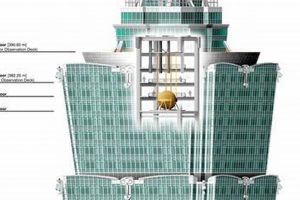
In earthquake-prone areas, skyscrapers must be designed to withstand seismic forces. Engineers employ base isolation systems, such as rubber bearings or viscous dampers, to absorb and dissipate energy during an earthquake, protecting the building and its occupants. The Taipei 101, located in a seismically active region, features a tuned mass damper that counteracts the building’s natural frequency, reducing vibrations. - Sustainable Design
“Craziest skyscrapers” are increasingly incorporating sustainable design principles to reduce their environmental impact. Engineers utilize energy-efficient systems, such as LED lighting, double-glazed windows, and rainwater harvesting, to minimize energy consumption and promote sustainability. The One World Trade Center, for example, boasts a rainwater collection system that meets non-potable water needs.
In conclusion, “engineering prowess” is an indispensable aspect of “craziest skyscrapers,” enabling the creation of structures that defy the limits of architectural possibility. Through innovative techniques and cutting-edge technologies, engineers transform these skyscrapers into feats of structural ingenuity, ensuring their safety, stability, and sustainability.
7. Cultural Landmarks
Within the realm of architecture, “cultural landmarks” and “craziest skyscrapers” share a profound connection, with one often shaping the identity of the other. Cultural landmarks, imbued with historical, social, or aesthetic significance, serve as symbols of a city’s heritage and values. When incorporated into the design of skyscrapers, these landmarks transcend their functional purpose, becoming integral components that enhance the building’s cultural and symbolic value.
The integration of
cultural landmarks into skyscrapers manifests in various forms. Some architects choose to incorporate traditional architectural elements or motifs into the design, paying homage to the city’s architectural legacy. For instance, the Bank of China Tower in Hong Kong features a facade inspired by traditional Chinese architecture, seamlessly blending modern design with cultural heritage.
In other cases, skyscrapers themselves become cultural landmarks, embodying the spirit and aspirations of a city. The Burj Khalifa in Dubai, the world’s tallest building, has become an iconic symbol of the city’s ambition and economic prowess. Its soaring height and distinctive design have made it a recognizable landmark, attracting tourists from around the globe.
The practical significance of understanding the connection between cultural landmarks and craziest skyscrapers lies in its ability to foster a sense of place and community. By incorporating cultural elements into their design, skyscrapers can create a stronger bond between the building and its surroundings, fostering a sense of pride and belonging among the local population. Additionally, it can attract tourists and generate revenue for the city, contributing to its economic vitality.
In conclusion, the connection between cultural landmarks and craziest skyscrapers is a symbiotic one, where the cultural significance of landmarks enhances the architectural value of skyscrapers, while the skyscrapers themselves become iconic symbols of a city’s identity. Understanding this connection is essential for creating meaningful and sustainable urban environments that celebrate the past while embracing the future.
8. Urban Renewal Catalysts

In the realm of architecture and urban planning, “urban renewal catalysts” play a pivotal role in revitalizing and transforming cities. “Craziest skyscrapers,” with their bold designs and innovative features, often serve as catalysts for such renewal, triggering a ripple effect of positive developments within their surroundings.
The connection between “urban renewal catalysts” and “craziest skyscrapers” stems from several key factors. Firstly, these skyscrapers, by their very nature, attract attention and generate excitement. Their unique designs and towering heights make them landmarks that draw people to the area, creating a buzz and stimulating economic activity. This influx of visitors and businesses can lead to the redevelopment of adjacent areas, as investors seek to capitalize on the increased foot traffic and potential for growth.
Secondly, “craziest skyscrapers” often incorporate mixed-use developments, combining residential, commercial, and retail spaces within a single structure. This creates a vibrant and dynamic urban environment, where people can live, work, and play in close proximity. Mixed-use developments contribute to the vitality of the surrounding area, reducing the need for excessive commuting and promoting a sense of community.
Real-life examples abound, showcasing the transformative power of “craziest skyscrapers” as urban renewal catalysts. The Burj Khalifa in Dubai stands as a prime example. Since its completion in 2010, the Burj Khalifa has spurred significant development in its surrounding area, known as Downtown Dubai. The once-barren desert landscape has been transformed into a thriving hub of luxury hotels, high-end retail outlets, and residential complexes.
Understanding the connection between “urban renewal catalysts” and “craziest skyscrapers” is essential for urban planners and architects seeking to revitalize cities and create more livable and sustainable urban environments. By incorporating these elements into their designs, they can harness the power of architecture to drive positive change and contribute to the overall well-being of cities and their inhabitants.
9. Symbols of Innovation
In the realm of architecture, “craziest skyscrapers” have emerged not only as architectural marvels but also as potent “Symbols of Innovation.” These towering structures embody the cutting-edge advancements in design, engineering, and technology, pushing the boundaries of what is possible and serving as beacons of progress for cities worldwide.
The connection between “Symbols of Innovation” and “craziest skyscrapers” is deeply rooted in the desire to showcase the latest architectural achievements. Architects and engineers strive to create buildings that are not just functional but also visually striking and technologically advanced. “Craziest skyscrapers” become testaments to human ingenuity, showcasing innovative building techniques, sustainable designs, and energy-efficient systems.
Real-life examples abound, highlighting the role of “craziest skyscrapers” as “Symbols of Innovation.” The Burj Khalifa in Dubai stands as a prime example, holding the record as the world’s tallest building. Its innovative design incorporates wind turbines and a double-skin facade to reduce energy consumption. The One World Trade Center in New York City, completed in 2014, features a state-of-the-art structural system that enhances its resilience to high winds.
Understanding the connection between “Symbols of Innovation” and “craziest skyscrapers” is of practical significance for several reasons. Firstly, it underscores the importance of innovation in architecture and its potential to drive progress. By pushing the boundaries of design and technology, “craziest skyscrapers” inspire future generations of architects and engineers to strive for excellence and innovation.
Secondly, these buildings serve as catalysts for economic growth and urban development. The construction and maintenance of “craziest skyscrapers” create employment opportunities, stimulate investment, and enhance the overall competitiveness of cities. They attract businesses, tourists, and residents, contributing to the vitality and prosperity of their surroundings.
In conclusion, “craziest skyscrapers” are not just architectural wonders but also powerful “Symbols of Innovation.” They embody the latest advancements in design, engineering, and technology, serving as beacons of progress for cities worldwide. Understanding this connection highlights the importance of innovation in architecture and its potential to drive economic growth and urban development.
FAQs about Craziest Skyscrapers
This section addresses frequently asked questions about the topic of “craziest skyscrapers.” It aims to provide concise and informative answers, offering a deeper understanding of these architectural marvels.
Question 1: What defines a “craziest skyscraper”?
A “craziest skyscraper” is a term used to describe buildings that push the boundaries of architectural design and innovation. These skyscrapers are often characterized by their extreme height, unconventional shapes, sustainable features, and mixed-use functionality.
Question 2: What are the benefits of building “craziest skyscrapers”?
Building “craziest skyscrapers” offers several benefits, including enhanced urban development, increased tourism, and economic growth. These buildings can serve as landmarks and symbols of a city’s identity, attracting businesses and residents alike.
Question 3: Are “craziest skyscrapers” safe?
Yes, “craziest skyscrapers” are designed and constructed with safety as a top priority. Engineers employ advanced technologie
s and innovative materials to ensure the structural integrity of these buildings, making them safe for occupants and visitors.
Question 4: How do “craziest skyscrapers” contribute to sustainability?
“Craziest skyscrapers” often incorporate sustainable design features to reduce their environmental impact. These features may include energy-efficient systems, rainwater collection systems, and the use of recycled materials.
Question 5: What are some examples of “craziest skyscrapers”?
Notable examples of “craziest skyscrapers” include the Burj Khalifa in Dubai, the Shanghai Tower in China, and the One World Trade Center in New York City. These buildings showcase innovative designs, advanced engineering techniques, and sustainable features.
Question 6: What is the future of “craziest skyscrapers”?
The future of “craziest skyscrapers” is promising, with architects and engineers constantly striving to push the boundaries of design and innovation. As technology advances, we can expect to see even more spectacular and sustainable “craziest skyscrapers” in the future.
In summary, “craziest skyscrapers” are architectural marvels that combine innovation, sustainability, and functionality. They serve as symbols of urban progress and contribute to the economic and cultural development of cities worldwide.
To learn more about the fascinating world of architecture and skyscrapers, explore the following sections of this article.
Tips for Designing and Constructing “Craziest Skyscrapers”
The design and construction of “craziest skyscrapers” require a unique blend of creativity, engineering prowess, and attention to detail. Here are five essential tips to consider:
Tip 1: Prioritize Structural Integrity and Safety
Ensuring the structural integrity and safety of “craziest skyscrapers” is paramount. Employ advanced engineering techniques, cutting-edge materials, and rigorous testing to withstand extreme weather conditions, seismic activity, and other potential hazards.
Tip 2: Embrace Sustainable Design Principles
Incorporate sustainable design features to minimize the environmental impact of “craziest skyscrapers.” Utilize energy-efficient systems, rainwater collection systems, and recycled materials to reduce carbon emissions and promote resource conservation.
Tip 3: Foster Mixed-Use Functionality
Maximize space utilization and create vibrant urban environments by integrating mixed-use functionality into “craziest skyscrapers.” Combine residential, commercial, retail, and public spaces to promote accessibility, convenience, and community engagement.
Tip 4: Collaborate with Renowned Architects and Engineers
Seek collaboration with world-renowned architects and engineers who possess exceptional expertise in skyscraper design and construction. Their insights and experience will ensure the successful execution of ambitious and innovative projects.
Tip 5: Invest in Cutting-Edge Technologies
Harness the power of cutting-edge technologies to enhance the functionality and safety of “craziest skyscrapers.” Implement smart building systems, advanced wind turbines, and intelligent facades to optimize energy efficiency, reduce maintenance costs, and create a more responsive and sustainable built environment.
By adhering to these tips, architects, engineers, and developers can create “craziest skyscrapers” that are not only visually stunning but also structurally sound, sustainable, and beneficial to the surrounding community.
In conclusion, designing and constructing “craziest skyscrapers” presents a unique set of challenges and opportunities. By prioritizing safety, embracing sustainability, fostering mixed-use functionality, collaborating with experts, and investing in cutting-edge technologies, it is possible to create architectural marvels that redefine the skyline and contribute positively to the urban landscape.
Conclusion
This exploration of “craziest skyscrapers” has showcased the incredible ingenuity and innovation that shape these architectural marvels. From their record-breaking heights to their unconventional shapes and sustainable designs, these buildings push the boundaries of what is possible in construction and design.
The pursuit of “craziest skyscrapers” not only creates iconic landmarks but also drives urban development, fosters economic growth, and contributes to cultural identity. They serve as symbols of progress and ambition, inspiring future generations of architects and engineers to strive for excellence and innovation.
As we look to the future, “craziest skyscrapers” will continue to redefine skylines around the world. By embracing sustainable practices, incorporating cutting-edge technologies, and prioritizing the well-being of occupants and communities, these architectural wonders will continue to shape the way we live, work, and interact with the urban environment.