


Designing and constructing a skyscraper is a complex and ambitious undertaking that requires the collaboration of architects, engineers, contractors, and other professionals. It involves meticulous planning, cutting-edge technology, and a deep understanding of structural engineering principles.
Skyscrapers have played a significant role in shaping the skylines of cities around the world. They are marvels of modern architecture and engineering, pushing the boundaries of what is possible in the realm of construction. Building a skyscraper involves a multidisciplinary approach, encompassing design, engineering, construction management, and real estate development.
Creating your own skyscraper is a testament to innovation, ambition, and architectural prowess. It stands as a symbol of progress, economic vitality, and the human desire to reach for the heavens.
1. Design

Design is the foundation of any skyscraper, encompassing the architectural vision and aesthetic appeal that sets it apart from other structures. It involves the creative interplay of form, function, and engineering principles to create a visually striking and structurally sound building.
- Form and Function: The design of a skyscraper must strike a balance between aesthetics and functionality. The building’s form should be visually appealing and iconic, while also accommodating its intended purpose and the needs of its occupants. For example, a skyscraper designed for commercial use may prioritize open floor plans and efficient office spaces, while a residential skyscraper may emphasize natural light, balconies, and amenities.
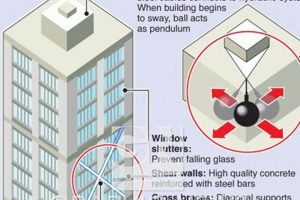
- Structural Engineering: The design of a skyscraper must adhere to strict engineering principles to ensure its structural integrity and stability. Architects and engineers work closely together to create a design that can withstand lateral forces such as wind and seismic activity. This involves careful consideration of the building’s height, shape, and materials.
- Facade and Aesthetics: The facade of a skyscraper is its outer skin, and it plays a crucial role in the building’s overall aesthetic appeal. Architects use a variety of materials and design elements, such as glass, metal, and stone, to create a visually striking and distinctive facade. The facade can also incorporate sustainable features, such as solar panels or green walls, to enhance the building’s environmental performance.
- Urban Context: The design of a skyscraper must be sensitive to its urban context. It should complement the surrounding buildings and infrastructure, while also creating a unique and memorable presence on the skyline. Architects consider the scale, massing, and orientation of the building to ensure that it integrates seamlessly into the urban fabric.
In conclusion, the design of a skyscraper is a complex and multifaceted process that requires a holistic approach. By carefully considering the interplay of form, function, engineering, and urban context, architects and engineers can create skyscrapers that are both visually stunning and structurally sound, leaving a lasting impression on the skyline.
2. Engineering

In the realm of skyscraper construction, engineering plays a paramount role in ensuring the structural integrity and stability of these towering structures. It involves the application of scientific principles and technical expertise to design and construct buildings that can withstand various forces and maintain their structural soundness.
- Structural Analysis: Engineers conduct thorough structural analysis to determine the forces that a skyscraper will be subjected to, such as gravity, wind, and seismic activity. They calculate the stresses and strains on different parts of the building and design the structure to resist these forces effectively.
- Foundation Design: The foundation of a skyscraper is critical for its stability. Engineers design deep foundations, such as pile foundations or caissons, to transfer the building’s weight evenly to the underlying soil or rock. This ensures that the building can withstand lateral forces and prevent settlement or collapse.
- Material Selection: Engineers carefully select construction materials that possess the necessary strength, durability, and fire resistance to meet the structural requirements of a skyscraper. High-strength steel, reinforced concrete, and composite materials are commonly used in skyscraper construction.
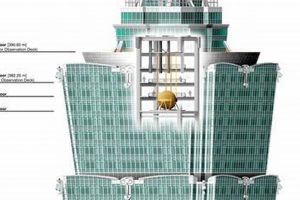
- Wind Engineering: Skyscrapers are subjected to significant wind forces, especially at higher altitudes. Engineers employ wind tunnel testing and computational simulations to analyze the building’s response to wind loads. They design aerodynamic shapes and incorporate wind-resistant features, such as setbacks and tuned mass dampers, to minimize wind-induced vibrations and ensure the building’s stability.
In conclusion, engineering is essential to create skyscrapers that are structurally sound and resilient. By applying their expertise in structural analysis, foundation design, material selection, and wind engineering, engineers ensure that these towering structures can withstand the forces of nature and provide safe and habitable spaces for their occupants.
3. Construction

The construction of a skyscraper is a complex and meticulous process that involves the precise execution of plans, the skillful use of materials, and the implementation of cutting-edge techniques. It is the physical realization of the architectural vision and engineering design, transforming blueprints into a tangible, towering structure.
The choice of construction methods and materials has a profound impact on the safety, durability, and sustainability of a skyscraper. Engineers and architects carefully consider factors such as the height of the building, the loads it will bear, and the environmental conditions it will be exposed to. They select materials that possess the necessary strength, durability, and fire resistance to meet the structural requirements.
Skyscrapers are typically constructed using a steel frame or reinforced concrete core, which provides the primary structural support. Steel is a strong and lightweight material that can be easily welded and bolted together to create complex shapes. Reinforced concrete is a composite material made of concrete reinforced with steel bars, which provides both compressive and tensile strength. The exterior walls of a skyscraper are typically made of glass, metal panels, or stone.
The construction of a skys
craper is a collaborative effort involving architects, engineers, contractors, and skilled tradespeople. It requires meticulous planning, coordination, and quality control to ensure that the building is constructed safely and efficiently. By carefully selecting construction methods and materials, architects and engineers can create skyscrapers that are both aesthetically pleasing and structurally sound.
4. Functionality

The functionality of a skyscraper, defined by its intended use and purpose, plays a crucial role in shaping its design, engineering, and construction. It determines the building’s overall form, internal layout, and the specific features and amenities it offers.
Skyscrapers can serve a variety of functions, including commercial, residential, mixed-use, and even cultural or recreational purposes. Commercial skyscrapers are designed to accommodate office spaces, retail stores, and other businesses. Residential skyscrapers provide housing units, often with luxury amenities such as fitness centers, swimming pools, and rooftop gardens. Mixed-use skyscrapers combine commercial and residential spaces, offering a blend of work and living environments. Cultural or recreational skyscrapers may house museums, art galleries, theaters, or observation decks, providing public spaces and amenities that contribute to the city’s cultural fabric.
Understanding the functionality of a skyscraper is essential for creating a successful and sustainable building. Architects and engineers must carefully consider the intended use of the building to design spaces that are efficient, comfortable, and adaptable to the needs of its occupants. By aligning the design and construction with the intended functionality, skyscrapers can effectively fulfill their purpose and contribute positively to the urban environment.
5. Sustainability

Sustainability has become an increasingly important consideration in the design and construction of skyscrapers. With growing concerns about climate change and resource depletion, architects and engineers are recognizing the need to create buildings that minimize their environmental impact and maximize their energy efficiency.
There are several key reasons why sustainability is essential for skyscraper construction. First, skyscrapers consume a significant amount of energy, both during construction and throughout their lifespan. By incorporating sustainable design features, such as energy-efficient lighting and appliances, double-glazed windows, and solar panels, architects can reduce the building’s energy consumption and carbon footprint.
Second, skyscrapers can have a significant impact on the urban environment. They can block sunlight, create wind tunnels, and contribute to air pollution. By incorporating green roofs and vertical gardens, architects can mitigate these negative impacts and create more sustainable urban environments.
Finally, sustainable skyscrapers can be more attractive to tenants and investors. In today’s market, there is a growing demand for green buildings, as tenants and investors recognize the benefits of reduced energy costs and improved indoor environmental quality.
There are many examples of sustainable skyscrapers around the world. One notable example is the Burj Khalifa in Dubai, which is the tallest building in the world. The Burj Khalifa incorporates a number of sustainable design features, such as a double-skin facade that reduces heat gain, solar panels that generate electricity, and a rainwater harvesting system. As a result of these features, the Burj Khalifa has achieved a LEED Platinum rating, the highest level of sustainability certification.
Another example of a sustainable skyscraper is the One World Trade Center in New York City. The One World Trade Center is the tallest building in the United States, and it incorporates a number of sustainable design features, such as a rainwater harvesting system, a green roof, and a high-performance facade that reduces energy consumption. As a result of these features, the One World Trade Center has achieved a LEED Gold rating.
The Burj Khalifa and the One World Trade Center are just two examples of how sustainability can be incorporated into skyscraper design. As the world becomes increasingly aware of the need to reduce our environmental impact, we can expect to see more and more sustainable skyscrapers being built in the future.
6. Location

The location of a skyscraper is a critical factor in its design and construction. The geographical context and urban planning considerations can have a significant impact on the building’s height, shape, and overall aesthetic. For example, a skyscraper built in a dense urban area will likely be taller and thinner than a skyscraper built in a less dense area. This is because taller buildings can accommodate more people and businesses in a smaller footprint, which is important in densely populated areas. Additionally, urban planning considerations, such as zoning laws and height restrictions, can also impact the design of a skyscraper.
In addition to the physical constraints of the site, the geographical context can also influence the design of a skyscraper in more subtle ways. For example, a skyscraper built in a coastal area may need to be designed to withstand high winds and flooding. A skyscraper built in a seismic zone may need to be designed to withstand earthquakes. The local climate can also impact the design of a skyscraper. For example, a skyscraper built in a cold climate may need to be designed with extra insulation and heating systems.
Understanding the geographical context and urban planning considerations is essential for creating a successful skyscraper. By carefully considering the site’s physical constraints, as well as the local climate and zoning laws, architects and engineers can design skyscrapers that are both aesthetically pleasing and structurally sound.
7. Economics

Creating a skyscraper is a complex and expensive undertaking. The financial feasibility and investment potential of a skyscraper are critical factors that must be carefully considered before construction can begin. There are a number of economic factors that can impact the success of a skyscraper project, including the cost of land, construction costs, operating costs, and potential return on investment.
- Cost of land: The cost of land is a major factor in the financial feasibility of a skyscraper project. Land in desirable locations, such as city centers or near major transportation hubs, is typically more expensive than land in less desirable locations. The cost of land can also vary depending on the size and shape of the property.
- Construction costs: The cost of construction is another major factor in the financial feasibility of a skyscraper project. The cost of construction will vary depending on the size, complexity, and design of the building. The cost of materials and labor can also impact the cost of construction.
- Operating costs:
The operating costs of a skyscraper can also impact its financial feasibility. Operating costs include the cost of utilities, maintenance, and repairs. The operating costs of a skyscraper can be significant, especially for large buildings with complex systems. - Potential return on investment: The potential return on investment is a key factor that investors will consider before investing in a skyscraper project. The potential return on investment will depend on a number of factors, including the rental income that the building can generate, the appreciation of the property value, and the tax benefits that may be available.
The economic factors discussed above are just a few of the many factors that can impact the financial feasibility and investment potential of a skyscraper project. It is important to carefully consider all of these factors before making a decision about whether or not to invest in a skyscraper project.
Create Your Own Skyscraper
This section addresses frequently asked questions about creating your own skyscraper, providing clear and informative answers to guide you through the process.
Question 1: What are the key considerations for designing a skyscraper?
Designing a skyscraper involves a comprehensive approach, encompassing architectural vision, structural integrity, functionality, sustainability, and urban context. Each aspect plays a crucial role in shaping the building’s form, function, and impact on its surroundings.
Question 2: What engineering principles are essential for skyscraper construction?
Skyscraper engineering demands expertise in structural analysis, foundation design, material selection, and wind engineering. These principles ensure the building’s stability, resilience against lateral forces, and ability to withstand various environmental conditions.
Question 3: What are the common construction methods and materials used in skyscrapers?
Skyscrapers are typically constructed using steel frames or reinforced concrete cores for structural support. The choice of materials depends on factors like height, load capacity, and environmental conditions. Glass, metal panels, and stone are commonly used for exterior walls, offering a blend of aesthetics and durability.
Question 4: How does functionality influence skyscraper design?
Functionality dictates the intended use of the skyscraper, whether commercial, residential, mixed-use, or cultural. It determines the building’s layout, internal spaces, and amenities, ensuring that the design aligns with the specific needs and activities that will take place within.
Question 5: Why is sustainability crucial in skyscraper construction?
Sustainability is paramount due to skyscrapers’ significant energy consumption and environmental impact. Incorporating energy-efficient features, green roofs, and sustainable materials reduces their carbon footprint, promotes occupant well-being, and aligns with modern environmental consciousness.
Question 6: What factors determine the location of a skyscraper?
Location selection considers geographical context, urban planning regulations, and proximity to transportation hubs. The site’s physical constraints, such as land availability and soil conditions, also influence the building’s design and overall feasibility.
Remember, creating your own skyscraper is a complex endeavor that requires meticulous planning, engineering expertise, and a deep understanding of various disciplines. By carefully considering these factors and seeking guidance from experienced professionals, you can embark on the journey of realizing your architectural vision and leaving a lasting mark on the skyline.
Transition to the next article section: Understanding the complexities and considerations involved in skyscraper creation is essential for embarking on this ambitious architectural undertaking. The following section will delve into the intricate details of skyscraper design, engineering, and construction.
Tips for Creating Your Own Skyscraper
Designing and constructing a skyscraper is a complex and challenging undertaking that requires careful planning and execution. Here are five tips to help you create your own skyscraper:
Tip 1: Start with a strong concept.
The concept of your skyscraper should be clear and concise. What is the purpose of the building? What is its unique selling point? Once you have a strong concept, you can begin to develop the design of the building.
Hire a qualified architect and engineer.
The architect will be responsible for designing the building, while the engineer will be responsible for ensuring that the building is structurally sound. It is important to hire qualified professionals who have experience in designing and constructing skyscrapers.
Choose the right location.
The location of your skyscraper will have a major impact on its success. Consider factors such as the visibility of the building, the accessibility of the site, and the zoning laws in the area.
Use high-quality materials.
The materials you use to construct your skyscraper will have a significant impact on its durability and longevity. Use high-quality materials that are resistant to fire, wind, and earthquakes.
Pay attention to the details.
The details of your skyscraper will make a big difference in its overall appearance and functionality. Pay attention to details such as the facade of the building, the lobby, and the common areas.
By following these tips, you can increase your chances of creating a successful skyscraper that will be a landmark for years to come.
Summary of key takeaways or benefits:
- A strong concept will help you create a unique and memorable skyscraper.
- Hiring qualified professionals will ensure that your skyscraper is designed and constructed to the highest standards.
- Choosing the right location will help to attract tenants and visitors to your skyscraper.
- Using high-quality materials will ensure that your skyscraper is durable and long-lasting.
- Paying attention to the details will make your skyscraper more appealing to tenants and visitors.
Transition to the article’s conclusion:
Creating a skyscraper is a complex and challenging undertaking, but it is also a rewarding one. By following these tips, you can increase your chances of creating a successful skyscraper that will be a landmark for years to come.
Conclusion
Creating a skyscraper is a complex and challenging undertaking, but it is also a rewarding one. Skyscrapers are monuments to human ingenuity and ambition, and they play a vital role in the development of our cities. If you are thinking about creating your own skyscraper, it is important to start with a strong concept and to hire qualified professionals to help you design and construct the building. By following the tips outlined in this article, you can increase your chances of creating a successful skyscraper that will be a landmark for years to come.
Skyscrapers are more than just tall buildings; they are symbols of progress and prosperity. They are places where people live, work, and play. They are also works of art, and they can be a source of great pride for the communities in which they are built. If you have the vision and the determination, you can create your own skyscraper and leave a lasting legacy on the world.