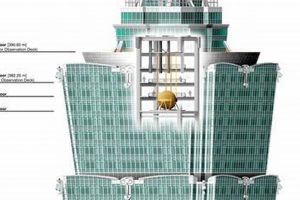



Denmark, renowned for its architectural marvels, boasts an array of skyscrapers that redefine the skyline and symbolize the nation’s economic prowess. These towering structures, reaching towards the heavens, are architectural wonders that combine functionality with aesthetic appeal.
The importance of skyscrapers in Denmark extends beyond their physical presence. They serve as economic hubs, housing multinational corporations and fostering innovation within the country’s thriving business sector. Additionally, these skyscrapers have become iconic landmarks, attracting tourists and contributing to Denmark’s burgeoning tourism industry.
The historical context of skyscrapers in Denmark reflects the country’s rapid urbanization and embrace of modern architecture. In recent decades, Denmark has witnessed a surge in the construction of high-rise buildings, driven by factors such as population growth and increased demand for urban living spaces. As a result, the nation’s skylines have transformed, incorporating these architectural marvels that shape the urban landscape.
1. Height

The height of Denmark’s skyscrapers, exemplified by the Bella Sky Hotel, is a defining characteristic that contributes to their significance and impact.
Firstly, the height of these skyscrapers allows for panoramic views of the surrounding cityscape and natural landscapes. The Bella Sky Hotel, for instance, offers breathtaking vistas of Copenhagen, including iconic landmarks like the Tivoli Gardens and the resund Bridge. This elevated perspective enhances the experience for visitors and residents alike, providing a unique vantage point to appreciate the beauty and scale of the city.
Moreover, the height of Denmark’s skyscrapers is a testament to the country’s architectural prowess and engineering capabilities. Constructing such tall structures requires advanced expertise and innovation, showcasing Denmark’s commitment to pushing the boundaries of design and construction. The Bella Sky Hotel, with its distinctive twisted form and energy-efficient design, exemplifies this commitment to innovation and sustainability.
Furthermore, the height of these skyscrapers contributes to the overall aesthetic appeal of Denmark’s urban environments. The Bella Sky Hotel, with its striking silhouette, has become an iconic landmark on the Copenhagen skyline. Its height and unique design create a visually dynamic cityscape, adding to the overall architectural character of the city.
2. Design

The design of Danish skyscrapers is a testament to the country’s rich architectural heritage and commitment to innovation. These skyscrapers exhibit a diverse range of styles, from the modern simplicity of the Royal Arena to the postmodern grandeur of the Axel Towers, reflecting Denmark’s vibrant architectural landscape.
- Modern Simplicity: The Royal Arena, designed by Danish architect Bjarke Ingels, exemplifies the modern simplicity that characterizes many Danish skyscrapers. Its sleek lines, minimalist facade, and open, airy interiors create a sense of spaciousness and functionality. This style emphasizes clean lines, natural light, and a seamless integration with the surrounding environment.
- Postmodern Grandeur: The Axel Towers, designed by Danish architect Jean Nouvel, represent the postmodern grandeur that can be found in some Danish skyscrapers. With their intricate facades, bold geometric forms, and use of color, these towers make a striking statement on the Copenhagen skyline. Postmodern architecture often incorporates elements from historical styles, resulting in a playful and eclectic aesthetic.
- Sustainable Design: Many Danish skyscrapers incorporate sustainable design features, reflecting Denmark’s commitment to environmental responsibility. The Bella Sky Hotel, for example, is known for its energy-efficient design, rainwater harvesting system, and green roof. Sustainable design in skyscrapers involves the use of eco-friendly materials, energy-saving technologies, and features that minimize the environmental impact of the building.
- Functional Versatility: Danish skyscrapers are designed to be functional and versatile, housing a mix of uses within a single structure. The Tivoli Hotel & Congress Center, for instance, combines a hotel, conference center, and shopping mall under one roof. This functional versatility allows for efficient use of space and creates vibrant urban hubs that cater to a variety of needs.
The diverse range of architectural styles in Danish skyscrapers contributes to the overall visual appeal of the country’s urban environments. These skyscrapers are not just functional structures but also works of art that enhance the aesthetic character of Denmark’s cities.
3. Sustainability

In the realm of modern architecture, sustainability has emerged as a defining characteristic, and Denmark’s skyscrapers are no exception. These towering structures embrace eco-friendly design principles, showcasing Denmark’s commitment to environmental responsibility and innovation.
- Energy Efficiency: Danish skyscrapers prioritize energy conservation through the use of energy-efficient lighting systems and appliances. These measures reduce energy consumption, minimizing the environmental impact of these high-rise buildings.
- Water Conservation: Rainwater harvesting systems are a common feature in Danish skyscrapers. These systems collect rainwater for non-potable uses, such as irrigation and flushing toilets, reducing the strain on municipal water supplies.
- Green Roofs: Many Danish skyscrapers incorporate green roofs, which provide several environmental benefits. These roofs reduce stormwater runoff, improve air quality, and provide habitats for wildlife, contributing to the overall sustainability of the building.
- Sustainable Materials: The construction of Danish skyscrapers often involves the use of sustainable materials, such as recycled steel and low-VOC (volatile organic compound) paints. These materials minimize the environmental impact of the building throughout its life cycle.
The integration of sustainable design features in Danish skyscrapers is a testament to Denmark’s commitment to green building practices. These measures not only reduce the environmental impact of these structures but also contribute to the overall well-being of occupants and the surrounding community.
4. Functionality

The functionality of Danish skyscrapers is a defining characteristic that contributes to their significance and impact on the urban environment. These skyscrapers are not just architectural marvels but also functional hubs that accommodate a diverse range of activities and cater to the needs of a modern, urban population.
The mix of offices, residential units, and retail spaces within Danish skyscrapers creates a vibrant and dynamic urban environment. This functional diversity allows people to live, work, and shop within a single structure, reducing the need for commuting and promoting a more sustainable lifestyle. For example, the Carlsberg Byen development in Copenhagen incorporates residential towers, office buildings, and retail spaces, creating a self-contained urban neighborhood within the city.
Moreover, the integration of retail spaces within Danish skyscrapers contributes to the overall vitality of the urban environment. These retail spaces often include a mix of shops, restaurants, and cafes, creating a lively and inviting atmosphere at the street level. The presence of retail spaces also supports local businesses and entrepreneurs, contributing to the economic growth of the city.
In conclusion, the functionality of Danish skyscrapers is a key element that enhances their value and impact. By housing a mix of offices, residential units, and retail spaces, these skyscrapers create vibrant urban hubs that cater to the diverse needs of modern city dwellers and contribute to the overall economic and social vitality of the urban environment.
5. Location

The location of Denmark’s skyscrapers is a significant aspect that influences their impact and significance. Copenhagen, as the capital and largest city, naturally attracts a higher concentration of skyscrapers due to its economic and political importance. The presence of numerous multinational corporations, financial institutions, and government agencies in Copenhagen drives the demand for high-rise office buildings. Moreover, Copenhagen’s status as a cultural and tourism hub attracts investment in residential and hospitality skyscrapers, catering to the needs of visitors and residents alike.
Aarhus and Aalborg, as the second and third-largest cities in Denmark, respectively, have also witnessed a notable rise in the construction of skyscrapers in recent years. This growth is driven by the expansion of businesses, universities, and cultural institutions in these cities. For instance, the construction of the AARhus City Tower in Aarhus, which is set to become the tallest building in Scandinavia upon completion, reflects the city’s growing economic and architectural ambitions.
The location of Denmark’s skyscrapers not only shapes the skylines of major cities but also contributes to the overall economic and social development of the country. The concentration of skyscrapers in Copenhagen, in particular, has led to the creation of a thriving business district and has boosted the city’s competitiveness on a global scale. Additionally, the presence of high-rise residential buildings in Copenhagen and other cities provides much-needed housing options in densely populated urban areas.
6. Tourism

Denmark’s skyscrapers have emerged as iconic landmarks, attracting tourists from around the world. Their unique architecture and observation decks offer captivating experiences that showcase the country’s design prowess and provide breathtaking panoramic views.
- Architectural Marvels: Denmark’s skyscrapers are architectural masterpieces that showcase a diverse range of styles, from the modern simplicity of the Royal Arena to the postmodern grandeur of the Axel Towers. These buildings are not just functional structures but also works of art that attract architecture enthusiasts and tourists alike.
- Observation Decks: Many Danish skyscrapers feature observation decks that offer stunning panoramic views of the city and surrounding landscapes. The Bella Sky Hotel, for instance, boasts a rooftop terrace that provides breathtaking vistas of Copenhagen, including iconic landmarks like the Tivoli Gardens and the resund Bridge.
- Cultural Significance: Denmark’s skyscrapers have become cultural landmarks that reflect the country’s economic prosperity and architectural heritage. Tourists are drawn to these buildings to experience the unique blend of modern design and Danish aesthetics.
- Tourism Industry: The presence of skyscrapers in Denmark has contributed to the growth of the tourism industry. Observation decks, in particular, have become major tourist attractions, attracting visitors eager to capture panoramic views of the city and create memorable experiences.
In conclusion, Denmark’s skyscrapers are more than just tall buildings; they are architectural marvels and tourist attractions that showcase the country’s design prowess and cultural significance. Their unique architecture and observation decks attract visitors from around the world, contributing to the growth of the tourism industry and enhancing the overall appeal of Denmark as a travel destination.
7. Symbolism

The connection between Denmark’s skyscrapers and their symbolic representation of the country’s economic growth and prosperity is deeply intertwined. Skyscrapers, by their very nature, embody ambition, innovation, and economic power. In the case of Denmark, these towering structures serve as physical manifestations of the nation’s thriving economy and its commitment to progress.
The rapid construction of skyscrapers in Denmark, particularly in Copenhagen, aligns with the country’s period of economic expansion. The presence of numerous multinational corporations, financial institutions, and government agencies in these high-rise buildings reflects Denmark’s strong business environment and its attractiveness to foreign investment. Moreover, the architectural grandeur of these skyscrapers, often designed by renowned architects, showcases Denmark’s commitment to innovation and its desire to create iconic landmarks that define the nation’s identity.
Beyond their economic significance, Denmark’s skyscrapers have become symbols of national pride and achievement. The sight of these towering structures against the Copenhagen skyline evokes a sense of accomplishment and optimism about the country’s future. They represent Denmark’s ability to compete on a global scale and its aspiration to be a leader in architecture, design, and economic development.
In conclusion, the symbolism of Denmark’s skyscrapers is deeply rooted in the country’s economic growth and prosperity. These architectural marvels are not just functional structures but also powerful symbols of Denmark’s ambition, innovation, and commitment to progress. They represent the nation’s economic strength, its architectural prowess, and its unwavering belief in its future.
Frequently Asked Questions about Denmark Skyscrapers
This section addresses commonly asked questions and provides informative answers to enhance understanding of Denmark’s skyscrapers.
Question 1: What is the tallest skyscraper in Denmark?
The tallest skyscraper in Denmark is the Bella Sk
y Hotel, standing at 120 meters (394 feet) tall.
Question 2: What is the architectural style of most Denmark skyscrapers?
Denmark skyscrapers showcase a diverse range of architectural styles, from the modern simplicity of the Royal Arena to the postmodern grandeur of the Axel Towers.
Question 3: Are Denmark skyscrapers sustainable?
Yes, many Denmark skyscrapers incorporate sustainable design features, such as energy-efficient lighting and rainwater harvesting systems.
Question 4: What is the primary function of Denmark skyscrapers?
Denmark skyscrapers primarily house a mix of offices, residential units, and retail spaces, creating vibrant urban hubs.
Question 5: Where are Denmark skyscrapers primarily located?
Denmark skyscrapers are primarily concentrated in Copenhagen, the nation’s capital and largest city, but other cities like Aarhus and Aalborg also boast impressive high-rises.
Question 6: Why are Denmark skyscrapers significant?
Denmark skyscrapers are significant because they represent the country’s economic growth, architectural prowess, and commitment to sustainable design.
Summary: Denmark’s skyscrapers are architectural marvels that symbolize the nation’s economic prosperity and commitment to innovation. They showcase a diverse range of architectural styles, incorporate sustainable design features, and serve as functional hubs for businesses, residents, and visitors alike.
Transition: To further explore the captivating world of Denmark skyscrapers, continue to the next section, where we delve into their architectural details and the impact they have on the urban landscape.
Tips for Appreciating Denmark Skyscrapers
To fully appreciate the architectural significance and impact of Denmark skyscrapers, consider these tips:
Tip 1: Explore Architectural Styles: Denmark skyscrapers exhibit a diverse range of architectural styles, from modern minimalism to postmodern grandeur. Take time to observe the unique facades, geometric forms, and use of materials that characterize each building.
Tip 2: Visit Observation Decks: Many Denmark skyscrapers feature observation decks that offer breathtaking panoramic views of the city and surrounding landscapes. Experience the city from a new perspective and capture stunning photographs.
Tip 3: Appreciate Sustainable Design: Denmark is committed to sustainable architecture. Look for skyscrapers that incorporate energy-efficient lighting, rainwater harvesting systems, and green roofs, contributing to the city’s environmental well-being.
Tip 4: Discover Mixed-Use Functionality: Denmark skyscrapers often house a mix of offices, residential units, and retail spaces. This functional diversity creates vibrant urban hubs where people can live, work, and enjoy amenities within a single structure.
Tip 5: Explore Historical Contexts: Understand the historical context behind Denmark skyscrapers. Research the architects, design influences, and the role these buildings have played in shaping the city’s skyline and architectural identity.
Tip 6: Appreciate Cultural Significance: Denmark skyscrapers are not just architectural marvels but also cultural landmarks. They reflect the country’s economic prosperity, architectural prowess, and commitment to innovation. Embrace the cultural significance these buildings hold for the city and its people.
Tip 7: Take Guided Tours: Enhance your appreciation by joining guided tours of Denmark skyscrapers. Learn about the architectural details, engineering feats, and sustainable features from knowledgeable guides.
Tip 8: Engage with Local Perspectives: Interact with locals to gain insights into their perspectives on Denmark skyscrapers. Ask about their favorite buildings, the impact on the city’s livability, and their hopes for future architectural developments.
Summary: By following these tips, you can fully immerse yourself in the architectural wonders of Denmark skyscrapers. Appreciate their diverse styles, sustainable features, and cultural significance. Engage with the local community to gain a deeper understanding of these architectural icons and their impact on the city’s identity.
Transition: To further enhance your knowledge and appreciation, delve into the intricate details of Denmark skyscrapers’ architectural designs and their impact on the urban landscape in the next section of this comprehensive guide.
Conclusion
Denmark skyscrapers stand as testaments to the nation’s economic prosperity, architectural prowess, and commitment to sustainable design. Their diverse architectural styles, from modern simplicity to postmodern grandeur, create a captivating cityscape that reflects Denmark’s vibrant architectural heritage.
Beyond their aesthetic appeal, Denmark skyscrapers serve as functional hubs, housing a mix of offices, residential units, and retail spaces. This functional diversity creates vibrant urban centers where people can live, work, and enjoy amenities within a single structure. Moreover, many skyscrapers incorporate sustainable design features, contributing to the overall environmental well-being of the city.
The presence of Denmark skyscrapers has not only transformed the skyline but also contributed to the country’s economic growth and cultural significance. These architectural marvels symbolize Denmark’s ambition, innovation, and commitment to progress, making them iconic landmarks that attract visitors from around the world.
As Denmark continues to evolve, its skyscrapers will undoubtedly continue to play a vital role in shaping the nation’s architectural identity. By embracing sustainable design practices and incorporating innovative technologies, Denmark skyscrapers will remain symbols of progress and prosperity for generations to come.