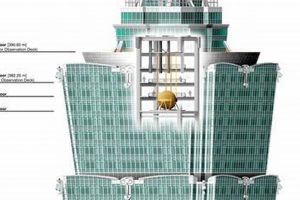



Skyscrapers are exceptionally tall, multi-storied structures that serve various purposes, including commercial, residential, and mixed-use developments. They are architectural marvels that have transformed skylines worldwide, becoming iconic symbols of urban landscapes.
The construction of skyscrapers offers numerous advantages. They optimize land usage in densely populated areas, providing ample space for various activities within a limited footprint. Skyscrapers enhance energy efficiency by incorporating sustainable design principles, reducing their environmental impact. Moreover, they promote connectivity and accessibility, often integrating transportation hubs and amenities within their structures.
This article delves into the captivating world of skyscrapers, exploring their architectural significance, engineering advancements, and the impact they have on urban environments. We will uncover the challenges and innovations involved in designing and constructing these towering structures, examining their role in shaping the future of cities.
1. Architectural Marvels

Skyscrapers, as architectural marvels, exemplify the pinnacle of human ingenuity and creativity. Their towering heights and striking designs have transformed city skylines, making them iconic landmarks around the world.
- Awe-Inspiring Heights
Skyscrapers soar to unprecedented heights, defying gravity and pushing the boundaries of engineering. The Burj Khalifa, standing at an astonishing 828 meters, holds the record as the tallest building in the world, offering breathtaking views from its observation decks.
- Innovative Designs
Skyscrapers showcase a myriad of innovative designs, from the sleek glass facades of the Shanghai Tower to the intricate latticework of the Burj Al Arab. These unique forms not only enhance the aesthetic appeal of cities but also serve functional purposes, such as optimizing natural light and reducing wind resistance.
- Engineering Masterpieces
The construction of skyscrapers requires cutting-edge engineering techniques and materials. Engineers must carefully consider factors such as structural stability, wind loads, and seismic activity to ensure the safety and integrity of these towering structures.
- Vertical Communities
Skyscrapers accommodate entire communities within their vertical structures. They house a mix of residential units, offices, retail spaces, and amenities, creating vibrant and self-contained urban environments.
In conclusion, the architectural marvels of skyscrapers lie in their ability to redefine urban landscapes, push engineering boundaries, and create innovative living and working spaces. They are testaments to human ambition and creativity, shaping the skylines of cities and inspiring awe in all who behold them.
2. Engineering Feats

Skyscrapers, as engineering feats, represent the pinnacle of human ingenuity and innovation. Their towering heights and complex designs demand cutting-edge engineering solutions to ensure structural integrity and safety.
- Structural Innovations
Skyscrapers utilize innovative structural systems to withstand immense weight and lateral forces. These systems include reinforced concrete cores, steel frameworks, and exterior bracing, which work together to distribute loads efficiently and prevent collapse.
- Wind Engineering
Skyscrapers are subjected to strong wind forces, particularly at higher altitudes. Engineers employ wind tunnels and computer simulations to analyze wind patterns and design aerodynamic shapes that minimize wind-induced vibrations and ensure stability.
- Seismic Engineering
In earthquake-prone regions, skyscrapers require special engineering considerations to withstand seismic activity. This involves incorporating seismic dampers, base isolation systems, and reinforced foundations to absorb and dissipate earthquake forces.
- Vertical Transportation
Skyscrapers require efficient vertical transportation systems to move people and goods quickly and safely. This includes elevators, escalators, and sometimes even skybridges, which are designed to handle high traffic volumes and minimize wait times.
In summary, the engineering feats behind skyscrapers involve innovative structural designs, advanced wind engineering, earthquake resistance, and efficient vertical transportation systems. These engineering marvels enable skyscrapers to reach extraordinary heights and provide safe and functional spaces for living, working, and recreation.
3. Vertical Communities

Within the towering structures of skyscrapers, vertical communities thrive, fostering a unique and vibrant urban lifestyle. These communities encompass a diverse mix of residential units, offices, retail spaces, and amenities, creating self-contained ecosystems within the vertical realm.
The development of vertical communities is closely intertwined with the evolution of skyscrapers. As cities grew denser and land became scarce, architects and urban planners sought innovative ways to accommodate increasing populations. Skyscrapers emerged as a solution, offering a compact and efficient use of space while providing ample living and working environments.
Vertical communities offer numerous advantages. They promote sustainability by reducing urban sprawl and minimizing transportation needs. Residents can easily access a wide range of amenities and services within their buildings, fostering a sense of convenience and community. Additionally, vertical communities can contribute to urban revitalization, transforming once-underutilized areas into thriving hubs of activity.
Real-life examples of successful vertical communities include the Burj Khalifa in Dubai, which houses a mix of residential apartments, offices, and a hotel. Another notable example is the Bosco Verticale in Milan, Italy, which incorporates lush greenery into its facade, creating a unique and sustainable living environment.
Understanding the connection between vertical communities and skyscrapers is crucial for urban planning and sustainable development. By embracing vertical living, cities can accommodate population growth without compromising green spaces and urban infrastructure. Vertical communities offer a glimpse into the future of urban living, providing innovative solutions to the challenges of urbanization and creating vibrant and sustainable communities within the vertical dimension.
4. Sustainable Innovations
Skyscrapers, with their towering heights and complex designs, present unique challenges and opportunities for sustainable innovation. Architects and engineers are constantly exploring ways to reduce the environmental impact of these massive structures while enhancing occupant comfort and well-being.
- Energy Efficiency
Skyscrapers can be designed to maximize energy efficiency through various measures such as high-performance building envelopes, energy-efficient lighting systems, and smart building management systems. These innovations reduce energy consumption and operating costs while creating more comfortable and sustainable indoor environments.
- Water Conservation
Water conservation is another important aspect of sustainable skyscrapers. Rainwater harvesting systems, low-flow fixtures, and water-efficient landscaping can significantly reduce water usage in these high-rise buildings. Additionally, innovative wastewater treatment systems can recycle and reuse water for non-potable purposes.
- Green Building Materials
The use of sustainable and recycled materials in skyscraper construction can minimize environmental impact. Green building materials, such as bamboo, recycled steel, and low-VOC paints, contribute to healthier indoor air quality and reduce the carbon footprint of the building.
- Renewable Energy Sources
Integrating renewable energy sources into skyscrapers is a key aspect of sustainable design. Solar panels, wind turbines, and geothermal systems can generate clean energy on-site, reducing reliance on fossil fuels and promoting energy independence.
Sustainable innovations in skyscrapers go beyond reducing environmental impact. They also enhance occupant well-being and productivity. Green spaces, natural ventilation, and access to daylight can create healthier and more comfortable indoor environments. By embracing sustainable practices, skyscrapers can contribute positively to the built environment and promote a greener, more livable future.
5. Urban Icons

Skyscrapers, as urban icons, transcend their functional purpose and become symbols of cultural identity, civic pride, and economic prosperity. Their iconic status is deeply intertwined with their architectural significance and the impact they have on the urban landscape.
The connection between skyscrapers and urban icons is evident in cities worldwide. The Empire State Building in New York City, the Petronas Towers in Kuala Lumpur, and the Burj Khalifa in Dubai are just a few examples of skyscrapers that have become synonymous with their respective cities. These structures are not only architectural marvels but also cultural landmarks that attract tourists and locals alike.
The iconic status of skyscrapers stems from their ability to reshape skylines and create a sense of place. They serve as focal points for urban development, attracting businesses, residents, and visitors. Iconic skyscrapers often house mixed-use programs, including residential, commercial, retail, and cultural spaces, contributing to the vibrancy and economic vitality of their surroundings.
Understanding the connection between skyscrapers and urban icons is crucial for architects, urban planners, and policymakers. It highlights the importance of considering the cultural and symbolic value of skyscrapers beyond their functional aspects. By embracing their iconic potential, skyscrapers can become powerful tools for shaping urban identity, fostering civic pride, and promoting economic growth.
6. Economic Drivers
Skyscrapers, with their towering presence and multifaceted functionality, serve as significant economic drivers in urban environments. Their construction and operation have a profound impact on various sectors of the economy, generating employment opportunities, stimulating investment, and contributing to overall economic growth.
- Job Creation
The construction of skyscrapers creates numerous jobs for architects, engineers, construction workers, and other skilled professionals. Additionally, the operation and maintenance of these buildings require a workforce in property management, security, and other service sectors.
- Investment Opportunities
Skyscrapers represent substantial investment opportunities for real estate developers, construction companies, and financial institutions. The development of these iconic structures often attracts significant capital investment, leading to economic growth and job creation.
- Tourism and Retail
Iconic skyscrapers often become tourist destinations, attracting visitors from around the world. This influx of tourism generates revenue for the hospitality industry, retail businesses, and local attractions. Additionally, skyscrapers often incorporate retail spaces within their structures, contributing to the local retail economy.
- Business Hubs
Skyscrapers serve as hubs for businesses and corporations, providing premium office spaces and amenities. The concentration of businesses in these vertical structures fosters collaboration, innovation, and economic growth. Additionally, skyscrapers often house conference centers and meeting spaces, facilitating business events and attracting national and international investment.
The economic impact of skyscrapers extends beyond their immediate surroundings, contributing to the overall economic prosperity of cities. They stimulate urban regeneration, attract foreign investment, and enhance the city’s competitiveness in the global market. By understanding the connection between skyscrapers and economic drivers, urban planners and policymakers can harness their potential to drive economic growth and create thriving urban environments.
7. Cultural Landmarks
Skyscrapers, as cultural landmarks, transcend their architectural significance and become symbols of a city’s identity, history, and aspirations. They represent the pinnacle of human ingenuity and creativity, embodying the cultural values and aspirations of the communities they serve.
- Architectural Icons
Skyscrapers often become architectural icons, recognized for their unique design, innovative engineering, and aesthetic appeal. They serve as symbols of a city’s architectural prowess and cultural identity. Examples include the Empire State Building in New York City, the Petronas Towers in Kuala Lumpur, and the Burj Khalifa in Dubai.
- Historical Significance
Skyscrapers can hold immense historical significance, reflecting the architectural styles and societal values of their time. They serve as reminders of past eras and events, providing a tangible connection to the city’s history. Examples include the Flatiron Building in New York
City, built in the early 20th century, and the Willis Tower in Chicago, once known as the Sears Tower. - Cultural Expression
Skyscrapers can be powerful expressions of a city’s culture and values. Their design and function often reflect the aspirations, beliefs, and artistic sensibilities of the community. Examples include the Sydney Opera House in Australia, known for its distinctive sail-like roof, and the Shanghai Tower in China, which incorporates traditional Chinese architectural elements.
- Tourist Destinations
Iconic skyscrapers often become major tourist destinations, attracting visitors from around the world. They offer breathtaking views, unique architectural experiences, and a glimpse into the city’s history and culture. Examples include the Eiffel Tower in Paris, the CN Tower in Toronto, and the One World Trade Center in New York City.
The connection between cultural landmarks and skyscrapers highlights the multifaceted nature of these architectural wonders. They are not merely functional structures but also symbols of cultural identity, historical significance, and artistic expression. Understanding this connection is crucial for architects, urban planners, and policymakers, as it informs the design, preservation, and celebration of skyscrapers as cultural landmarks that enrich the urban environment and shape the collective memory of cities.
8. Mixed-Use Hubs
Skyscrapers are increasingly becoming mixed-use hubs, combining residential, commercial, retail, and hospitality functions within a single vertical structure. This integration offers numerous advantages, transforming skyscrapers into vibrant and self-contained urban environments.
- Vertical Communities
Mixed-use skyscrapers create vertical communities where residents, workers, and visitors can live, work, shop, and socialize within the same building. This fosters a sense of community and convenience, reducing the need for commuting and promoting a more sustainable lifestyle.
- Enhanced Urban Vibrancy
Mixed-use skyscrapers contribute to the vibrancy of urban environments by attracting a diverse mix of people and activities. The presence of retail, dining, and entertainment options at the base of skyscrapers creates a lively street-level experience, while residential units add a sense of vitality throughout the day and night.
- Economic Benefits
Mixed-use skyscrapers generate significant economic benefits for cities. By combining multiple uses within a single structure, they optimize land usage and maximize rental income. The presence of retail and commercial tenants can also attract investment and create job opportunities in various sectors.
- Sustainable Development
Mixed-use skyscrapers promote sustainable development by reducing urban sprawl and minimizing transportation needs. They encourage walking, cycling, and public transportation by providing a range of amenities within easy reach. Additionally, mixed-use skyscrapers can incorporate green building practices to reduce energy consumption and environmental impact.
The integration of mixed-use hubs into skyscrapers is a key trend in modern urban development. By combining diverse functions within a single vertical structure, mixed-use skyscrapers create vibrant, sustainable, and economically prosperous urban environments.
9. Future of Cities
Skyscrapers play a pivotal role in shaping the future of cities. As urban populations continue to grow and land becomes increasingly scarce, cities are looking upwards to accommodate their expanding needs. Skyscrapers offer a sustainable and efficient solution by maximizing vertical space and minimizing urban sprawl.
One of the key connections between skyscrapers and the future of cities is their ability to create vertical communities. Mixed-use skyscrapers combine residential, commercial, retail, and hospitality functions within a single structure. This integration fosters a sense of community and convenience, reducing the need for commuting and promoting a more sustainable lifestyle.
Moreover, skyscrapers contribute to the economic vitality of cities. They attract businesses, investment, and skilled workers, creating job opportunities and stimulating economic growth. The presence of skyscrapers in a city’s skyline can also enhance its global competitiveness and attractiveness.
Furthermore, skyscrapers can be designed to incorporate sustainable practices, such as energy-efficient systems, water conservation measures, and green building materials. By reducing their environmental impact, skyscrapers can contribute to the creation of more sustainable and livable cities.
In conclusion, skyscrapers are an integral part of the future of cities. They offer innovative solutions to the challenges of urbanization, including population growth, land scarcity, and environmental sustainability. By embracing vertical development and creating vibrant mixed-use communities, skyscrapers can help shape more sustainable, prosperous, and livable cities for the future.
FAQs on Skyscrapers
This section addresses common questions and misconceptions surrounding skyscrapers, providing succinct and informative answers.
Question 1: What is the tallest skyscraper in the world?
Answer: As of 2023, the Burj Khalifa in Dubai holds the title of the world’s tallest building, standing at an impressive 828 meters (2,717 feet).
Question 2: Are skyscrapers safe during earthquakes?
Answer: Modern skyscrapers are designed with sophisticated engineering techniques to withstand earthquakes. They incorporate seismic dampers, reinforced foundations, and flexible structural systems to minimize vibrations and protect occupants.
Question 3: Do skyscrapers have special fire safety measures?
Answer: Yes, skyscrapers are equipped with advanced fire safety systems, including fire sprinklers, smoke detectors, and fire-resistant materials. Many skyscrapers also have designated fire escape routes and refuge areas to ensure the safety of occupants during emergencies.
Question 4: Are skyscrapers energy-efficient?
Answer: With advancements in sustainable design, many modern skyscrapers incorporate energy-saving features such as high-performance building envelopes, energy-efficient lighting, and smart building management systems to reduce energy consumption and environmental impact.
Question 5: Do skyscrapers have negative environmental impacts?
Answer: While skyscrapers can have environmental impacts during construction, sustainable practices are increasingly adopted to minimize their footprint. These include using recycled materials, incorporating green spaces, and implementing water conservation systems.
Question 6: Will skyscrapers continue to be built in the future?
Answer: As cities grow and land becomes scarce, skyscrapers will likely continue to be constructed. However, there is a growing emphasis on sustainable and mixed-use skyscraper developments that promote vertical communities and reduce urba
n sprawl.
In summary, skyscrapers are marvels of engineering that provide innovative solutions to urban challenges. They are designed with safety, sustainability, and the well-being of occupants in mind, and will continue to shape the skylines and urban landscapes of the future.
Transition to the next article section…
Tips for Describing Skyscrapers
Effectively describing skyscrapers requires a combination of technical knowledge and evocative language. Here are several tips to enhance your descriptions:
Tip 1: Use Precise Architectural Terminology
Familiarize yourself with architectural terms to accurately describe the structural elements and design features of skyscrapers. This includes elements such as facades, curtain walls, setbacks, and spires.
Tip 2: Convey Scale and Height
Skyscrapers are known for their towering heights. Use comparative language and vivid imagery to convey their scale. Describe how they dwarf surrounding buildings and dominate the skyline.
Tip 3: Highlight Unique Design Elements
Skyscrapers often incorporate distinctive architectural features. Focus on describing these elements, such as intricate facades, innovative structural systems, or environmentally sustainable designs.
Tip 4: Consider the Historical Context
Skyscrapers are often products of their time. Explain how the architectural style and design reflect the historical context and technological advancements during their construction.
Tip 5: Describe the Impact on the Skyline
Skyscrapers have a significant impact on the urban landscape. Describe how they alter the skyline and contribute to the overall character of the city.
Tip 6: Use Sensory Details
Engage the reader’s senses by describing the visual impact, the play of light and shadow, or the materials used in the skyscraper’s construction.
Tip 7: Incorporate Metaphors and Similes
Enhance your descriptions by using figurative language. Compare skyscrapers to natural phenomena, such as mountains or trees, or use similes to evoke a vivid image in the reader’s mind.
Tip 8: Proofread Carefully
Ensure accuracy and clarity by carefully proofreading your descriptions. Check for errors in terminology, grammar, and spelling.
By following these tips, you can create vivid and informative descriptions that capture the essence and impact of skyscrapers.
Transition to the concluding section of the article…
Conclusion
Throughout this comprehensive exploration of skyscrapers, we have delved into their architectural marvels, engineering feats, and their profound impact on urban environments. Skyscrapers stand as testaments to human ingenuity, innovation, and the relentless pursuit of vertical expansion.
Their towering heights and striking designs have reshaped skylines worldwide, becoming iconic symbols of urban progress and economic vitality. From the groundbreaking Empire State Building to the futuristic Burj Khalifa, skyscrapers continue to push the boundaries of architectural possibility.
More than just architectural wonders, skyscrapers serve as hubs for commerce, culture, and community. They offer innovative solutions to the challenges of urbanization, providing vertical living spaces, mixed-use environments, and sustainable development strategies.
As cities continue to grow and evolve, skyscrapers will undoubtedly play a pivotal role in shaping the future of urban living. Their ability to maximize space, promote sustainability, and create vibrant vertical communities makes them essential elements of thriving and livable cities.
Understanding and appreciating the significance of skyscrapers is not just about recognizing their physical presence but also acknowledging their transformative power. They stand as symbols of human ambition, architectural mastery, and the ever-changing face of our urban landscapes.