


Skyscrapers are some of the most impressive and iconic structures in the world. They are a testament to human ingenuity and engineering prowess. However, many people wonder if skyscrapers can fall over. The answer is yes, it is possible for a skyscraper to fall over, but it is very unlikely.
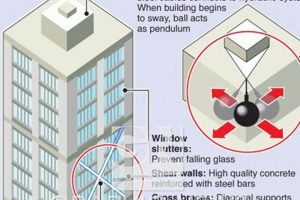
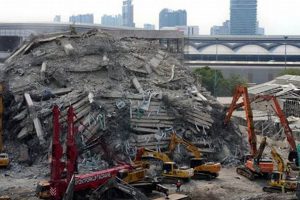
Skyscrapers are designed to withstand high winds, earthquakes, and other forces that could cause them to collapse. However, there have been a few cases of skyscrapers collapsing, usually due to a combination of factors, such as structural defects, design flaws, or extreme weather conditions.
The most famous example of a skyscraper collapse is the World Trade Center towers, which were destroyed in the terrorist attacks of September 11, 2001. The towers were hit by airplanes and the resulting fires caused the steel structures to weaken and collapse. This was a tragic event, but it is important to remember that it was a very rare occurrence.
1. Design flaws
Design flaws are one of the leading causes of skyscraper collapses. When a skyscraper is designed with a flaw, it can make the building unstable and vulnerable to collapse in high winds, earthquakes, or other extreme weather conditions. For example, the Citicorp Center in New York City was completed in 1977 and was originally designed with a steel truss system that was not strong enough to withstand high winds. After the building was completed, it was discovered that the building was unstable in high winds and had to be substantially redesigned.
The collapse of the Citicorp Center is just one example of how design flaws can lead to skyscraper collapses. Other examples include the Ronan Point tower in London, which collapsed in 1968 due to a design flaw that caused a gas explosion, and the World Trade Center towers, which collapsed in 2001 after being hit by airplanes.
Design flaws can be caused by a variety of factors, including errors in the design process, poor construction practices, and the use of substandard materials. It is important to note that design flaws are not always the result of negligence or incompetence. Even the most experienced architects and engineers can make mistakes, and it is impossible to completely eliminate the risk of design flaws.
However, there are a number of steps that can be taken to reduce the risk of design flaws, including:
- Thoroughly reviewing the design of a skyscraper before it is built.
- Using high-quality materials and construction practices.
- Regularly inspecting and maintaining skyscrapers to identify and correct any potential problems.
By taking these steps, we can help to ensure that skyscrapers are safe and stable structures.
2. Construction defects

Construction defects are another leading cause of skyscraper collapses. When a skyscraper is built with defects, it can make the building unstable and vulnerable to collapse in high winds, earthquakes, or other extreme weather conditions. For example, the Ronan Point tower in London collapsed in 1968 due to a construction defect that caused a gas explosion.
The collapse of the Ronan Point tower is just one example of how construction defects can lead to skyscraper collapses. Other examples include the Hyatt Regency walkway collapse in Kansas City in 1981, which was caused by a construction defect in the design of the walkway, and the Windsor Tower fire in Madrid in 2005, which was caused by a construction defect in the building’s facade.
Construction defects can be caused by a variety of factors, including errors in the construction process, poor workmanship, and the use of substandard materials. It is important to note that construction defects are not always the result of negligence or incompetence. Even the most experienced contractors can make mistakes, and it is impossible to completely eliminate the risk of construction defects.
However, there are a number of steps that can be taken to reduce the risk of construction defects, including:
- Thoroughly reviewing the design of a skyscraper before it is built.
- Using high-quality materials and construction practices.
- Regularly inspecting and maintaining skyscrapers to identify and correct any potential problems.
By taking these steps, we can help to ensure that skyscrapers are safe and stable structures.
3. Natural disasters

Skyscrapers are designed to be incredibly stable structures. They are built with strong materials and engineering techniques to withstand high winds, earthquakes, and other natural disasters. However, even the strongest buildings can be brought down by the forces of nature.
Earthquakes are one of the most common natural disasters that can cause skyscrapers to collapse. Earthquakes create powerful ground shaking that can cause buildings to sway and buckle. If the shaking is strong enough, it can cause the building to collapse. Hurricanes are another natural disaster that can cause skyscrapers to collapse. Hurricanes create high winds and storm surges that can batter buildings and cause them to collapse.
The collapse of the World Trade Center towers on September 11, 2001, is a tragic example of how natural disasters can bring down skyscrapers. The towers were hit by airplanes and the resulting fires caused the steel structures to weaken and collapse. Hurricane Katrina caused the collapse of several skyscrapers in New Orleans in 2005. The high winds and storm surges from the hurricane battered the buildings and caused them to collapse.
The collapse of skyscrapers in natural disasters is a reminder that even the strongest buildings are not immune to the forces of nature. It is important to be aware of the risks of natural disasters and to take steps to protect yourself and your property.
There are a number of steps that can be taken to reduce the risk of skyscrapers collapsing in natural disasters. These steps include:
- Building skyscrapers with strong materials and engineering techniques.
- Retrofitting existing skyscrapers to make them more resistant to natural disasters.
- Developing early warning systems to give people time to evacuate before a natural disaster strikes.
By taking these steps, we can help to reduce the risk of skyscrapers collapsing in natural disasters and protect lives and property.
4. Other factors
In addition to natural disasters, skyscrapers can also be brought down by other factors, such as fires, explosions,
and terrorist attacks. These events can cause extensive damage to a skyscraper’s structure, making it unstable and vulnerable to collapse.
Fires are one of the most common causes of skyscraper collapses. Fires can quickly spread through a skyscraper’s interior, weakening the building’s structure and causing it to collapse. For example, in 2017, a fire broke out in the Grenfell Tower in London, killing 72 people. The fire spread rapidly through the building’s exterior cladding, which was made of a combustible material. The fire caused the building’s structure to weaken and collapse.
Explosions are another cause of skyscraper collapses. Explosions can cause extensive damage to a skyscraper’s structure, making it unstable and vulnerable to collapse. For example, in 1995, a bomb exploded in the Alfred P. Murrah Federal Building in Oklahoma City, killing 168 people. The explosion caused the building’s structure to collapse, trapping and killing many people inside.
Terrorist attacks are another cause of skyscraper collapses. Terrorist attacks can involve the use of explosives, fires, or other means to cause extensive damage to a skyscraper’s structure. For example, in 2001, the World Trade Center towers were destroyed in a terrorist attack. The planes that hit the towers caused extensive damage to the buildings’ structures, causing them to collapse and killing nearly 3,000 people.
The collapse of skyscrapers due to fires, explosions, and terrorist attacks is a reminder that these buildings are not immune to the forces of destruction. It is important to be aware of the risks of these events and to take steps to protect skyscrapers from them.
There are a number of steps that can be taken to reduce the risk of skyscraper collapses due to fires, explosions, and terrorist attacks. These steps include:
- Installing fire sprinklers and other fire safety systems in skyscrapers.
- Using fire-resistant materials in the construction of skyscrapers.
- Developing emergency evacuation plans for skyscrapers.
- Increasing security measures around skyscrapers to deter terrorist attacks.
By taking these steps, we can help to reduce the risk of skyscraper collapses due to fires, explosions, and terrorist attacks and protect lives and property.
FAQs on “Can Skyscrapers Fall Over”
Skyscrapers are designed to be incredibly stable structures, but they are not immune to collapse. There have been a number of cases throughout history where skyscrapers have fallen over, due to a variety of factors.
Question 1: What are the most common causes of skyscraper collapses?
Answer: The most common causes of skyscraper collapses are design flaws, construction defects, natural disasters, fires, explosions, and terrorist attacks.
Question 2: Are skyscrapers safe? Despite these risks, skyscrapers are still considered to be safe structures. They are designed with a number of safety features, such as fire sprinklers, fire-resistant materials, and emergency evacuation plans.
Answer:
Question 3: What can be done to reduce the risk of skyscraper collapses?
Answer: There are a number of steps that can be taken to reduce the risk of skyscraper collapses, including:
- Thoroughly reviewing the design of a skyscraper before it is built.
- Using high-quality materials and construction practices.
- Regularly inspecting and maintaining skyscrapers to identify and correct any potential problems.
Question 4: What are some examples of skyscraper collapses?
Answer: Some examples of skyscraper collapses include:
- The Ronan Point tower in London, which collapsed in 1968 due to a construction defect.
- The World Trade Center towers, which collapsed in 2001 after being hit by airplanes.
- The Grenfell Tower in London, which collapsed in 2017 due to a fire.
Question 5: What are the key takeaways from these FAQ?
Answer: The key takeaways from these FAQs are that skyscrapers are generally safe structures, but they are not immune to collapse. There are a number of steps that can be taken to reduce the risk of skyscraper collapses, including thoroughly reviewing the design of a skyscraper before it is built, using high-quality materials and construction practices, and regularly inspecting and maintaining skyscrapers to identify and correct any potential problems.
Question 6: What are some future research directions on skyscraper safety?
Answer: Future research directions on skyscraper safety include developing new technologies to make skyscrapers more resistant to collapse, improving the design and construction of skyscrapers, and developing new ways to evacuate people from skyscrapers in the event of an emergency.
Summary of key takeaways or final thought: Skyscrapers are an important part of our modern world, and they are constantly being improved to make them safer and more resilient. While there is always the potential for a skyscraper to collapse, the risks are very low, and skyscrapers remain one of the safest places to be in the event of a natural disaster or other emergency.
Transition to the next article section: Now that we have explored the question of “can skyscrapers fall over”, let’s move on to the next section of our article, where we will discuss the history of skyscrapers.
Tips to Mitigate Skyscraper Collapse Risks
Skyscrapers are an important part of our modern world, but they are not immune to collapse. However, there are a number of steps that can be taken to reduce the risk of skyscraper collapses, including:
Tip 1: Thoroughly review the design of a skyscraper before it is built.
This includes conducting a detailed analysis of the building’s structural integrity, fire safety systems, and emergency evacuation plans.
Tip 2: Use high-quality materials and construction practices.
This includes using strong and durable materials, such as steel and concrete, and following strict construction codes and standards.
Tip 3: Regularly inspect and maintain skyscrapers to identify and correct any potential problems.
This includes conducting regular inspections of the building’s structure, fire safety systems, and emergency evacuation plans.
Tip 4: Develop emergency evacuation plans for skyscrapers.
These plans should include clear instructions on how to evacuate the building in the event of a fire, earthquake, or other emergency.
Tip 5: Increase security measures around skyscrapers to deter terrorist attacks.
This includes installing security cameras, access control systems, and other security measures to deter unauthorized access to the building.
By following these tips, we can help to reduce the risk of skyscraper collapses and protect lives and property.
Summary of key takeaways: Skyscrapers are generally safe structures, but they are not immune to collapse. There are a number of steps that can be taken to reduce the risk of skyscraper collapses, including thoroughly reviewing the design of a skyscraper before it is built, using high-quality materials and construction practices, and regularly inspecting and maintaining skyscrapers to identify and correct any potential problems.
Transition to the article’s conclusion: By following these tips, we can help to ensure that skyscrapers remain safe and stable structures for years to come.
Conclusion
Skyscrapers are some of the most impressive and iconic
structures in the world. They are a testament to human ingenuity and engineering prowess. However, many people wonder if skyscrapers can fall over. The answer is yes, it is possible for a skyscraper to fall over, but it is very unlikely.
Skyscrapers are designed to withstand high winds, earthquakes, and other forces that could cause them to collapse. However, there have been a few cases of skyscrapers collapsing, usually due to a combination of factors, such as structural defects, design flaws, or extreme weather conditions.
While it is possible for a skyscraper to fall over, it is important to remember that these events are very rare. Skyscrapers are designed to be incredibly stable structures, and they are constantly being inspected and maintained to ensure their safety.
We must continue to research and develop new technologies to make skyscrapers even safer and more resilient. By working together, we can ensure that skyscrapers remain a symbol of human achievement and progress.