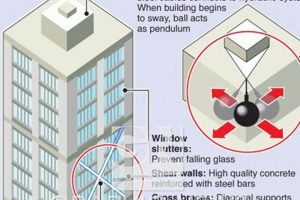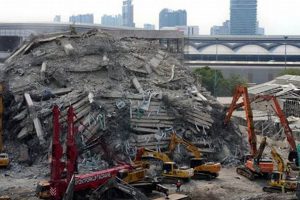



Skyscrapers are designed to withstand high winds and earthquakes. However, it is not impossible for a skyscraper to fall over.
There are a number of factors that can contribute to the collapse of a skyscraper, including:
- Structural defects
- Fire
- Explosions
- Terrorist attacks
- Natural disasters
The most common cause of skyscraper collapse is structural defects. These defects can be caused by errors in design or construction, or by the use of
1. Structural defects

Structural defects are the most common cause of skyscraper collapse. These defects can be caused by errors in design or construction, or by the use of substandard materials. Some of the most common structural defects that can lead to the collapse of a skyscraper include:
- Weak foundations: The foundation of a skyscraper is responsible for transferring the weight of the building to the ground. If the foundation is not strong enough, it can cause the building to settle or collapse.
- Faulty structural framing: The structural framing of a skyscraper is responsible for supporting the weight of the building and resisting lateral forces such as wind and earthquakes. If the structural framing is not properly designed or constructed, it can cause the building to collapse.
- Inadequate fireproofing: Fireproofing is a material that is applied to the structural framing of a skyscraper to protect it from fire. If the fireproofing is not adequate, it can cause the structural framing to fail in a fire, leading to the collapse of the building.
- Corrosion: Corrosion is the deterioration of metal over time. If the structural framing of a skyscraper is not properly protected from corrosion, it can weaken the metal and cause the building to collapse.
Structural defects can be very difficult to detect, and they can often go unnoticed until it is too late. This is why it is important to have skyscrapers inspected regularly by qualified engineers to ensure that they are safe.
2. Fire

Fire is one of the most common causes of skyscraper collapse. Skyscrapers are typically made of steel, which is a strong and durable material. However, steel loses its strength when it is exposed to high temperatures. When a fire occurs in a skyscraper, the steel frame can weaken and cause the building to collapse.
There are a number of ways that a fire can start in a skyscraper. One common cause is electrical fires. Electrical fires can be caused by faulty wiring, overloaded circuits, or lightning strikes. Another common cause of fires in skyscrapers is arson. Arson is the intentional setting of a fire, and it can be motivated by a variety of factors, such as revenge, vandalism, or terrorism.
Once a fire starts in a skyscraper, it can spread quickly. The flames can travel up the exterior of the building, and they can also spread through the interior of the building through ventilation shafts and other openings. The heat from the fire can also cause the windows to break, which can allow the fire to spread even more quickly.
Fires in skyscrapers can be very difficult to put out. The may have difficulty reaching the fire, and the water pressure may not be strong enough to reach the upper floors of the building. As a result, fires in skyscrapers can often cause extensive damage and loss of life.
There are a number of things that can be done to prevent fires in skyscrapers. These include:
- Installing smoke detectors and fire sprinklers
- Regularly inspecting electrical wiring and equipment
- Educating occupants about fire safety
- Developing and practicing fire evacuation plans
By taking these precautions, we can help to prevent fires in skyscrapers and protect the lives of the people who live and work in them.
3. Explosions

Explosions are a major cause of skyscraper collapse. Explosions can be caused by a variety of factors, including, gas leaks, and terrorist attacks. When an explosion occurs in a skyscraper, the force of the blast can cause the structural framing of the building to fail, leading to the collapse of the building.
One of the most famous examples of a skyscraper collapse caused by an explosion is the World Trade Center towers. On September 11, 2001, two planes hijacked by terrorists crashed into the World Trade Center towers, causing the buildings to collapse. The collapse of the World Trade Center towers was one of the deadliest terrorist attacks in history, and it demonstrated the devastating impact that explosions can have on skyscrapers.
Explosions can also be caused by natural gas leaks. Natural gas is a highly flammable gas, and if it leaks into a building, it can create a dangerous explosion hazard. In 2014, a natural gas leak caused an explosion in a 12-story apartment building in New York City, killing eight people and injuring dozens more.
Skyscrapers are designed to withstand a certain amount of force, but explosions can create forces that are too powerful for even the strongest buildings to withstand. When an explosion occurs in a skyscraper, the force of the blast can cause the structural framing of the building to fail, leading to the collapse of the building.
4. Terrorist attacks

Terrorist attacks are a major cause of skyscraper collapse. Terrorists may target skyscrapers because they are iconic landmarks and symbols of economic and political power. Collapsing a skyscraper can cause mass casualties and create widespread fear and panic.
One of the most famous examples of a skyscraper collapse caused by a terrorist attack is the World Trade Center towers. On September 11, 2001, two planes hijacked by terrorists crashed into the World Trade Center towers, causing the buildings to collapse. The collapse of the World Trade Center towers was one of the deadliest terrorist attacks in history, and it demonstrated the devastating impact that terrorist attacks can have on skyscrapers.
In addition to the World Trade Center towers, other skyscrapers have been targeted by terrorist attacks, including the 1993 World Trade Center bombing, the 1995 Oklahoma City bombing, and the 2004 Madrid train bombings. These attacks have all caused significant damage and loss of life.
Skyscrapers are designed to withstand a certain amount of force, but terrorist attacks can create forces that are too powerful for even the stro
ngest buildings to withstand. When a terrorist attack occurs in a skyscraper, the force of the blast can cause the structural framing of the building to fail, leading to the collapse of the building.
The threat of terrorist attacks is a major concern for governments and security officials around the world. There are a number of measures that can be taken to protect skyscrapers from terrorist attacks, including increasing security, installing blast-resistant windows, and reinforcing the structural framing of buildings. However, it is impossible to completely eliminate the risk of a terrorist attack.
5. Natural disasters
Natural disasters are a major cause of skyscraper collapse. Skyscrapers are designed to withstand high winds and earthquakes, but they are not immune to the forces of nature. Hurricanes, tornadoes, and earthquakes can all cause skyscrapers to collapse.
One of the most famous examples of a skyscraper collapse caused by a natural disaster is the World Trade Center towers. On September 11, 2001, two planes hijacked by terrorists crashed into the World Trade Center towers, causing the buildings to collapse. The collapse of the World Trade Center towers was one of the deadliest terrorist attacks in history, and it demonstrated the devastating impact that natural disasters can have on skyscrapers.
In addition to the World Trade Center towers, other skyscrapers have been damaged or destroyed by natural disasters. In 1992, Hurricane Andrew caused significant damage to the Miami skyline, including the collapse of several high-rise buildings. In 1994, the Northridge earthquake caused significant damage to high-rise buildings in Los Angeles.
Skyscrapers are designed to withstand a certain amount of force, but natural disasters can create forces that are too powerful for even the strongest buildings to withstand. When a natural disaster occurs, the force of the wind, water, or earthquake can cause the structural framing of the building to fail, leading to the collapse of the building.
The risk of natural disasters is a major concern for governments and security officials around the world. There are a number of measures that can be taken to protect skyscrapers from natural disasters, including reinforcing the structural framing of buildings and installing hurricane-resistant windows. However, it is impossible to completely eliminate the risk of a natural disaster.
6. Design flaws
Design flaws are a major contributing factor to skyscraper failures. These flaws can be caused by errors in the design process, inadequate engineering analysis, or the use of substandard materials. When a design flaw is present, it can compromise the structural integrity of the building and make it more susceptible to collapse.
- Structural framing
The structural framing of a skyscraper is responsible for supporting the weight of the building and resisting lateral forces such as wind and earthquakes. If there are flaws in the design of the structural framing, it can lead to the collapse of the building. For example, the World Trade Center towers collapsed after the terrorist attacks on September 11, 2001, due to flaws in the design of the structural framing.
- Foundation
The foundation of a skyscraper is responsible for transferring the weight of the building to the ground. If there are flaws in the design of the foundation, it can lead to the settlement or collapse of the building. For example, the Leaning Tower of Pisa in Italy is leaning due to a flaw in the design of the foundation.
- Fireproofing
Fireproofing is a material that is applied to the structural framing of a skyscraper to protect it from fire. If there are flaws in the design of the fireproofing, it can lead to the collapse of the building in the event of a fire. For example, the Plasco Building in Tehran, Iran, collapsed in 2017 due to flaws in the design of the fireproofing.
- Materials
The materials used in the construction of a skyscraper can also contribute to its collapse. If substandard materials are used, it can weaken the structural integrity of the building. For example, the Ronan Point tower in London, England, collapsed in 1968 due to the use of substandard concrete.
Design flaws can have catastrophic consequences, leading to the collapse of skyscrapers and the loss of life. It is therefore essential that skyscrapers are designed by qualified engineers who use sound engineering principles and high-quality materials. Regular inspections and maintenance are also important to ensure that skyscrapers remain safe and habitable.
7. Construction errors
Construction errors are a major contributing factor to skyscraper failures. These errors can occur at any stage of the construction process, from the design phase to the actual construction phase. When construction errors occur, they can compromise the structural integrity of the building and make it more susceptible to collapse.
There are many different types of construction errors that can occur. Some of the most common include:
- Errors in the design of the building
- Errors in the construction of the building
- Errors in the materials used in the construction of the building
- Errors in the inspection and maintenance of the building
Any of these errors can have serious consequences. In some cases, construction errors can even lead to the collapse of the building. For example, the collapse of the Ronan Point tower in London, England, in 1968, was caused by a construction error in the design of the building. The collapse of the World Trade Center towers in New York City on September 11, 2001, was also caused by construction errors. In this case, the errors were in the design of the fireproofing system.
Construction errors can be very costly to fix. In some cases, they can even be fatal. It is therefore essential that all parties involved in the construction process take steps to avoid making errors. This includes architects, engineers, contractors, and inspectors. By working together, we can help to ensure that skyscrapers are safe and habitable.
8. Material failures

Material failures are a major factor that can contribute to the collapse of a skyscraper. Skyscrapers are typically constructed using a variety of materials, including steel, concrete, and glass. Each of these materials has its own unique properties and strengths, but they can all be susceptible to failure under certain conditions.
- Steel
Steel is a strong and durable material, but it can be weakened by exposure to fire, corrosion, and fatigue. In the event of a fire, steel can lose its strength and cause the building to collapse. Corrosion can also weaken steel over time, making it more susceptible to failure. Fatigue is another factor that can contribute to the failure of steel. When
steel is subjected to repeated loading and unloading, it can eventually fail. - Concrete
Concrete is a strong and durable material, but it can be weakened by exposure to fire, water, and chemicals. In the event of a fire, concrete can lose its strength and cause the building to collapse. Water can also weaken concrete over time, making it more susceptible to failure. Chemicals can also damage concrete, causing it to become brittle and weak.
- Glass
Glass is a strong and durable material, but it can be weakened by exposure to impact, heat, and chemicals. In the event of an impact, glass can shatter and cause the building to collapse. Heat can also weaken glass, making it more susceptible to failure. Chemicals can also damage glass, causing it to become brittle and weak.
The failure of any of these materials can lead to the collapse of a skyscraper. Therefore, it is important to use high-quality materials and to properly maintain skyscrapers to prevent material failures.
9. Extreme weather events

Extreme weather events, such as hurricanes, earthquakes, and tornadoes, can put skyscrapers at risk of collapse. Skyscrapers are designed to withstand high winds and earthquakes, but they are not immune to the forces of nature. In recent years, there have been a number of cases of skyscrapers collapsing due to extreme weather events.
- Hurricanes
Hurricanes are one of the most common causes of skyscraper collapse. The high winds and storm surge associated with hurricanes can cause skyscrapers to sway and buckle. In 2012, Hurricane Sandy caused the collapse of a 50-story building in New York City. The building was not designed to withstand the high winds and storm surge, and it collapsed when the storm hit.
- Earthquakes
Earthquakes can also cause skyscrapers to collapse. The shaking caused by an earthquake can cause the structural framing of a skyscraper to fail, leading to the collapse of the building. In 1994, the Northridge earthquake caused the collapse of a 12-story building in Los Angeles. The building was not designed to withstand the shaking, and it collapsed when the earthquake hit.
- Tornadoes
Tornadoes are less common than hurricanes and earthquakes, but they can also cause skyscrapers to collapse. The high winds and debris associated with tornadoes can cause skyscrapers to sway and buckle. In 2011, a tornado caused the collapse of a 25-story building in Joplin, Missouri. The building was not designed to withstand the high winds, and it collapsed when the tornado hit.
Extreme weather events are a major threat to skyscrapers. Skyscrapers are designed to withstand high winds and earthquakes, but they are not immune to the forces of nature. In recent years, there have been a number of cases of skyscrapers collapsing due to extreme weather events. It is important to be aware of the risks posed by extreme weather events and to take steps to protect skyscrapers from these events.
Frequently Asked Questions
Skyscrapers are an impressive feat of engineering, but they are not immune to collapse. There are a number of factors that can contribute to the collapse of a skyscraper, including structural defects, fire, explosions, terrorist attacks, natural disasters, design flaws, construction errors, material failures, and extreme weather events.
Question 1: Can a skyscraper collapse from a strong gust of wind?
Answer: Skyscrapers are designed to withstand high winds. However, if the wind is strong enough, it can cause the building to sway and buckle. In some cases, this can lead to the collapse of the building.
Question 2: What is the most common cause of skyscraper collapse?
Answer: The most common cause of skyscraper collapse is structural defects. These defects can be caused by errors in design or construction, or by the use of substandard materials.
Question 3: Can a skyscraper collapse from a fire?
Answer: Yes, a skyscraper can collapse from a fire. The heat from the fire can weaken the steel frame of the building, causing it to buckle and collapse.
Question 4: Can a skyscraper collapse from a terrorist attack?
Answer: Yes, a skyscraper can collapse from a terrorist attack. Terrorists may target skyscrapers because they are iconic landmarks and symbols of economic and political power.
Question 5: Can a skyscraper collapse from a natural disaster?
Answer: Yes, a skyscraper can collapse from a natural disaster. Natural disasters such as hurricanes, earthquakes, and tornadoes can put skyscrapers at risk of collapse.
Question 6: Are there any skyscrapers that have collapsed?
Answer: Yes, there have been a number of skyscrapers that have collapsed. Some of the most famous examples include the World Trade Center towers, the Ronan Point tower, and the Plasco Building.
Skyscrapers are an important part of our cities. They provide us with space to live, work, and play. However, it is important to be aware of the risks involved with skyscrapers. By understanding the causes of skyscraper collapse, we can take steps to prevent these tragedies from happening in the future.
Transition to the next article section:
In the next section, we will discuss the design and construction of skyscrapers. We will explore the different types of materials used in skyscraper construction and the engineering challenges involved in building these massive structures.
Tips to Prevent Skyscraper Collapse
Skyscrapers are an impressive feat of engineering, but they are not immune to collapse. There are a number of factors that can contribute to the collapse of a skyscraper, including structural defects, fire, explosions, terrorist attacks, natural disasters, design flaws, construction errors, material failures, and extreme weather events.
By following these tips, we can help to prevent skyscraper collapse and ensure that these iconic structures remain safe for generations to come:
Tip 1: Use high-quality materials
The materials used in the construction of a skyscraper play a critical role in its stability and safety. It is important to use high-quality materials that are resistant to fire, corrosion, and other environmental factors.
Tip 2: Design skyscrapers carefully
The design of a skyscraper is critical to its stability and safety. Skyscrapers must be designed to withstand high winds, earthquakes, and other natural disasters. They must also be designed to prevent the spread of fire and to provide safe egress for occupants in the event of an emergency.
Tip 3: Construct skyscrapers carefully
The construction of a skyscraper is a complex and challenging process. It is important to follow the design plans carefully and to use high-quality construction materials and techniques. Poor construction can lead to structural defects that can compromise the safety of the building.
Tip 4: Inspect and maintain skyscrapers regularly
Skyscrapers should be inspected and maintained regularly to identify and repair any potential problems. This includes inspecting the structural framing, the fireproofing, and the exterior cladding.
Regular maintenance can help to prevent small problems from becoming major problems that could lead to the collapse of the building.
Tip 5: Be aware of the risks
It is important to be aware of the risks involved with skyscrapers. Building owners, occupants, and emergency responders should be aware of the potential for collapse and should have plans in place to evacuate the building and respond to an emergency.
Summary
Skyscrapers are an important part of our cities. They provide us with space to live, work, and play. However, it is important to be aware of the risks involved with skyscrapers. By following these tips, we can help to prevent skyscraper collapse and ensure that these iconic structures remain safe for generations to come.
Transition to the article’s conclusion
In the conclusion, we will summarize the key points of the article and provide some final thoughts on the importance of preventing skyscraper collapse.
Conclusion
Skyscrapers are an impressive feat of engineering, but they are not immune to collapse. There are a number of factors that can contribute to the collapse of a skyscraper, including structural defects, fire, explosions, terrorist attacks, natural disasters, design flaws, construction errors, material failures, and extreme weather events.
In this article, we have explored the causes of skyscraper collapse and discussed the importance of preventing these tragedies from happening. We have also provided some tips that can be used to prevent skyscraper collapse. By following these tips, we can help to ensure that skyscrapers remain safe for generations to come.
Skyscrapers are an important part of our cities. They provide us with space to live, work, and play. However, it is important to be aware of the risks involved with skyscrapers. By understanding the causes of skyscraper collapse and by taking steps to prevent these tragedies from happening, we can help to ensure that these iconic structures remain safe for generations to come.