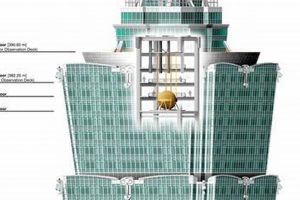



A contemporary skyscraper is a high-rise building that combines modern design elements with advanced construction techniques. It typically features a sleek and minimalist exterior, often incorporating large windows and glass facades that offer panoramic views. Contemporary skyscrapers are designed to be both aesthetically pleasing and environmentally sustainable, utilizing energy-efficient systems and sustainable materials.
The contemporary skyscraper serves multiple purposes, including residential, commercial, and mixed-use developments. It offers various advantages, such as increased space utilization in urban areas, improved energy efficiency, and enhanced aesthetics. Contemporary skyscrapers have significantly shaped modern architecture and urban landscapes, becoming iconic landmarks and symbols of economic and technological progress.
Contemporary skyscrapers have evolved from the early high-rise buildings of the 19th century. The development of new materials, such as steel and concrete, and advancements in engineering techniques have enabled the construction of taller and more complex structures. Today, contemporary skyscrapers continue to push the boundaries of design and innovation, incorporating cutting-edge technologies and sustainable practices to meet the evolving needs of urban environments.
1. Height

Height is a defining characteristic of contemporary skyscrapers, pushing the boundaries of architectural engineering and reshaping urban skylines. The pursuit of height in contemporary skyscrapers stems from several factors, including:
- Land scarcity: In densely populated urban areas, building upwards allows for efficient land utilization, maximizing space and accommodating more people and functions within a limited footprint.
- Economic factors: Taller buildings can offer greater rental or sale revenue, making them financially viable in prime real estate markets.
- Technological advancements: Innovations in materials, structural engineering, and construction techniques have enabled the realization of supertall skyscrapers that were once considered impossible.
- Architectural ambition: Height has become a symbol of architectural prowess and urban prestige, driving architects and engineers to design increasingly taller and more iconic structures.
The height of contemporary skyscrapers has significant implications:
- Engineering challenges: Building upwards requires careful consideration of structural stability, wind resistance, and seismic resilience. Engineers must employ innovative solutions to ensure the safety and integrity of these towering structures.
- Sustainability: Tall buildings inherently consume more energy for lighting, heating, and cooling. However, contemporary skyscrapers often incorporate sustainable design features to minimize their environmental impact, such as energy-efficient systems, rainwater harvesting, and natural ventilation.
- Urban planning: The presence of skyscrapers can influence urban planning decisions, affecting factors such as zoning regulations, air traffic patterns, and public transportation infrastructure.
In conclusion, the height of contemporary skyscrapers is a product of land scarcity, economic factors, technological advancements, and architectural ambition. It presents engineering challenges, necessitates sustainable design considerations, and influences urban planning. Understanding the connection between height and contemporary skyscrapers provides valuable insights into the evolution of urban architecture and the factors shaping the skylines of modern cities.
2. Design

Design plays a pivotal role in shaping contemporary skyscrapers, influencing their aesthetics, functionality, and overall impact on urban environments. Contemporary skyscraper design encompasses various facets that contribute to their unique character and purpose:
- Form and Aesthetics: Contemporary skyscrapers exhibit a wide range of forms and aesthetics, reflecting the architectural styles and cultural influences of their time. They may feature sleek glass facades, intricate geometric patterns, or bold sculptural elements that create striking visual landmarks.
- Functionality: Design plays a crucial role in optimizing the functionality of contemporary skyscrapers. This includes carefully planned floor plans, efficient use of space, and integration of amenities and services to meet the needs of occupants and visitors.
- Sustainability: Sustainability is a key consideration in contemporary skyscraper design. Architects incorporate energy-efficient systems, natural lighting, and green building materials to minimize environmental impact and promote occupant well-being.
- Urban Context: Contemporary skyscrapers are designed in relation to their surroundings, considering factors such as urban planning, zoning regulations, and the existing built environment. They can serve as gateways to neighborhoods, create public spaces, and contribute to the overall urban fabric.
In conclusion, design is an integral aspect of contemporary skyscrapers, encompassing form, functionality, sustainability, and urban context. Architects and engineers work together to create structures that not only meet practical needs but also enhance the aesthetic and functional qualities of urban environments.
3. Construction

Construction plays a crucial role in shaping contemporary skyscrapers, as it involves the intricate processes and techniques used to transform architectural designs into tangible structures. The construction of contemporary skyscrapers presents unique challenges due to their immense height and complex designs, requiring specialized expertise and innovative approaches.
One of the key aspects of skyscraper construction is the choice of materials. Contemporary skyscrapers often utilize a combination of materials, including steel, concrete, and glass, to achieve both structural stability and aesthetic appeal. Steel frames provide the primary structural support, while concrete is used for floors and walls, offering durability and fire resistance. Glass facades, in addition to their aesthetic value, allow for ample natural lighting and panoramic views.
Another important aspect is the use of advanced construction techniques. Contemporary skyscrapers employ innovative methods such as prefabrication and modular construction to enhance efficiency and safety. Prefabrication involves assembling building components off-site, which are then transported and assembled on
-site, reducing construction time and minimizing disruption. Modular construction involves creating self-contained building units that are stacked or connected to form the final structure, offering flexibility and cost-effectiveness.
Sustainability is also a key consideration in contemporary skyscraper construction. Architects and engineers incorporate green building practices to minimize environmental impact and promote occupant well-being. This includes using energy-efficient systems, incorporating renewable energy sources, and utilizing sustainable materials throughout the construction process.
The successful construction of contemporary skyscrapers requires collaboration among architects, engineers, contractors, and other professionals. Effective communication, coordination, and adherence to safety protocols are essential to ensure the timely and successful completion of these complex projects.
In conclusion, construction is a critical aspect of contemporary skyscrapers, involving the use of innovative materials, advanced techniques, and sustainable practices. Understanding the connection between construction and contemporary skyscrapers highlights the importance of engineering expertise, technological advancements, and collaboration in shaping these architectural marvels that redefine urban landscapes worldwide.
4. Sustainability

Sustainability plays a vital role in contemporary skyscraper design and construction. Architects and engineers are increasingly incorporating eco-friendly practices to minimize environmental impact, promote occupant well-being, and contribute to a more sustainable built environment.
- Energy Efficiency: Contemporary skyscrapers employ various strategies to enhance energy efficiency, including the use of high-performance building envelopes, energy-efficient lighting systems, and smart building controls. These measures reduce energy consumption and operating costs while promoting a more sustainable urban environment.
- Water Conservation: Water conservation is another key aspect of sustainable skyscraper design. Low-flow fixtures, rainwater harvesting systems, and water-efficient landscaping help reduce water consumption and preserve precious resources.
- Material Selection: The choice of materials in contemporary skyscraper construction has a significant environmental impact. Architects and engineers are opting for sustainable materials such as recycled steel, low-VOC paints, and certified wood to minimize the carbon footprint of these structures.
- Waste Reduction: Contemporary skyscrapers incorporate waste management systems to reduce, reuse, and recycle waste generated during construction and operation. This includes recycling construction materials, composting organic waste, and implementing waste sorting programs.
By embracing sustainability, contemporary skyscrapers can create healthier and more environmentally responsible urban environments. Sustainable practices not only reduce operating costs and environmental impact but also contribute to the well-being of occupants and the overall sustainability of our cities.
5. Function
Contemporary skyscrapers serve a wide range of functions, catering to the diverse needs of urban environments. They have evolved from primarily commercial or residential buildings to multifunctional complexes that integrate various uses, creating vibrant and self-contained vertical communities.
- Mixed-Use Developments: Contemporary skyscrapers often combine residential, commercial, retail, and hospitality functions within a single structure. This mixed-use approach creates a diverse and dynamic urban environment, reducing the need for long commutes and promoting walkability.
- Vertical Communities: Contemporary skyscrapers can be seen as vertical communities, offering a range of amenities and services within the building itself. This may include fitness centers, swimming pools, restaurants, and retail outlets, creating a convenient and self-contained living experience.
- Workspace and Innovation Hubs: Contemporary skyscrapers serve as important hubs for businesses and innovation. They provide modern and technologically advanced workspaces, fostering collaboration and creativity among tenants.
- Cultural and Entertainment Venues: Some contemporary skyscrapers incorporate cultural and entertainment facilities, such as museums, theaters, and observation decks. These venues enhance the urban experience and make skyscrapers destinations in their own right.
The multifunctional nature of contemporary skyscrapers reflects the evolving needs of urban populations and the desire to create sustainable and vibrant cities. By integrating diverse functions within a single structure, contemporary skyscrapers contribute to the economic, social, and cultural fabric of urban environments.
6. Technology
Technology plays a crucial role in shaping contemporary skyscrapers, driving innovation in design, construction, and operation. From advanced materials to smart building systems, technology is transforming the way we conceive, build, and experience these architectural marvels.
- Structural Innovation: Advanced materials and engineering techniques, such as high-strength steel and composite structures, enable the construction of taller and more structurally efficient skyscrapers. These innovations push the boundaries of architectural design, allowing for unique and daring forms.
- Sustainable Solutions: Technology contributes to the sustainability of contemporary skyscrapers. Energy-efficient lighting systems, smart building controls, and rainwater harvesting systems reduce environmental impact and promote occupant well-being.
- Smart Building Systems: Integrated building management systems monitor and control various aspects of a skyscraper’s operation, including lighting, HVAC, and security. These systems enhance efficiency, comfort, and safety for occupants.
- Digital Connectivity: Contemporary skyscrapers are hubs of digital connectivity, providing high-speed internet access and wireless infrastructure throughout the building. This connectivity supports business operations, facilitates communication, and enhances the overall user experience.
The integration of technology in contemporary skyscrapers not only enhances their functionality but also redefines the way we live, work, and interact with the built environment. By embracing technological advancements, contemporary skyscrapers continue to evolve as symbols of innovation and architectural prowess, shaping the skylines and urban landscapes of the 21st century.
7. Urban impact

Contemporary skyscrapers have a significant urban impact, shaping the physical, economic, and social fabric of cities. Their towering presence transforms skylines, creates new
landmarks, and influences urban planning and development.
One of the most notable impacts of contemporary skyscrapers is their ability to increase population density in urban areas. By building upwards, skyscrapers can accommodate a large number of people within a relatively small footprint, reducing urban sprawl and preserving green spaces. This concentration of population can lead to increased economic activity and vitality, as well as improved access to amenities and public transportation.
However, the construction of contemporary skyscrapers also presents challenges to urban environments. The sheer height and scale of these buildings can cast shadows on surrounding areas, potentially affecting the quality of life for residents and businesses. Additionally, the influx of people and increased density can strain infrastructure and services, requiring careful planning and coordination to mitigate potential negative impacts.
To address these challenges, architects and urban planners are exploring innovative design solutions and sustainable practices in the construction of contemporary skyscrapers. Green roofs, public plazas, and mixed-use developments are becoming increasingly common, promoting environmental sustainability, fostering community engagement, and enhancing the overall livability of urban environments.
Understanding the urban impact of contemporary skyscrapers is crucial for sustainable and responsible city planning. By carefully considering the potential benefits and challenges, architects, engineers, and urban planners can create skyscrapers that contribute positively to the fabric of our cities, enhancing economic growth, promoting social well-being, and preserving the character and livability of urban environments.
8. Cultural significance

Contemporary skyscrapers are not merely architectural marvels; they also hold profound cultural significance, shaping the identity and aspirations of cities and their inhabitants. The connection between cultural significance and contemporary skyscrapers is multifaceted and interdependent, influencing the design, perception, and impact of these towering structures.
Firstly, contemporary skyscrapers serve as symbols of economic power and technological advancement. Their soaring heights and innovative designs embody the ambitions and achievements of modern society. They become landmarks that define a city’s skyline and contribute to its global recognition. Examples include the Burj Khalifa in Dubai, the Shanghai Tower in China, and the One World Trade Center in New York City, which have become iconic symbols of their respective cities and nations.
Secondly, contemporary skyscrapers can embody cultural values and aspirations. They often reflect the architectural styles and cultural influences of their time. For instance, the Art Deco skyscrapers of the early 20th century in New York City represented the era’s optimism and glamour, while the postmodern skyscrapers of the 1980s showcased a playful and eclectic approach to design. By reflecting the cultural zeitgeist, contemporary skyscrapers become expressions of society’s evolving values and aspirations.
Moreover, contemporary skyscrapers have a significant impact on the cultural life of cities. They often incorporate public spaces, observation decks, and other amenities that attract visitors and locals alike. These spaces serve as venues for cultural events, art exhibitions, and community gatherings, fostering a sense of place and belonging. By creating vibrant public spaces, contemporary skyscrapers contribute to the cultural fabric of cities.
Understanding the cultural significance of contemporary skyscrapers is essential for architects, urban planners, and policymakers. It allows them to design and develop skyscrapers that are not only aesthetically pleasing and structurally sound but also resonate with the cultural values and aspirations of the community. By embracing cultural significance, contemporary skyscrapers can become powerful symbols of civic pride, cultural identity, and architectural achievement.
FAQs on Contemporary Skyscrapers
Contemporary skyscrapers have reshaped skylines and urban environments around the world. Here are some frequently asked questions about these architectural marvels:
Question 1: What is the defining characteristic of a contemporary skyscraper?
Contemporary skyscrapers are characterized by their exceptional height, sleek designs, and advanced construction techniques. They often incorporate sustainable features and multifunctional spaces to meet the evolving needs of urban environments.
Question 2: What are the benefits of building contemporary skyscrapers?
Contemporary skyscrapers offer several benefits, including increased population density, efficient land use, enhanced energy efficiency, and the creation of vertical communities with mixed-use developments.
Question 3: What are the challenges associated with contemporary skyscrapers?
Contemporary skyscrapers present challenges such as structural stability, wind resistance, and seismic resilience. They also require careful urban planning to mitigate potential impacts on surrounding areas, including shadowing and strain on infrastructure.
Question 4: How do contemporary skyscrapers contribute to sustainability?
Contemporary skyscrapers incorporate sustainable design features such as energy-efficient systems, rainwater harvesting, and green roofs to minimize their environmental impact and promote occupant well-being.
Question 5: What is the cultural significance of contemporary skyscrapers?
Contemporary skyscrapers often become iconic symbols of cities, representing economic power, technological advancement, and cultural values. They can also serve as venues for cultural events and public gatherings, contributing to the vibrancy of urban life.
Question 6: How will contemporary skyscrapers continue to evolve in the future?
Future advancements in technology and sustainable practices are expected to shape the evolution of contemporary skyscrapers. They may incorporate even more innovative designs, enhanced functionality, and a greater focus on occupant well-being and environmental responsibility.
Summary
Contemporary skyscrapers are architectural marvels that embody innovation, sustainability, and cultural significance. They offer unique solutions to urban challenges and contribute to the growth and vibrancy of cities. As technology and design continue to advance, contemporary skyscrapers will undoubtedly continue to reshape skylines and redefine the way we live, work, and experience urban environments.
Transition to the next article section
The evolution of contemporary skyscrapers is closely intertwined with advancements in technology and sustainable practices. In the next section, we will delve deeper into the innovative materials and construction techniques that are shaping the future of these architectural wonders.
Tips for Designing Contemporary Skyscrapers
Contemporary skyscrapers are architectural marvels that require careful planning and execution. Here are some tips to consider when designing contemporary skyscrapers:
Tip 1: Prioritize Structural Stability and Safety
Ensure the structural integrity of the skyscraper by using advanced engineering techniques and high-strength materials. Consider factors such as wind resistance, seismic
resilience, and fire safety to guarantee the well-being of occupants and the longevity of the structure.Tip 2: Embrace Sustainable Design Principles
Incorporate sustainable practices to minimize the environmental impact of the skyscraper. Utilize energy-efficient systems, renewable energy sources, and sustainable materials to reduce carbon emissions and promote occupant well-being.Tip 3: Enhance Functionality and Flexibility
Design the skyscraper to accommodate diverse functions and adapt to changing needs. Consider mixed-use developments that integrate residential, commercial, and public spaces to create vibrant and self-contained vertical communities.Tip 4: Focus on Technological Integration
Incorporate cutting-edge technology to enhance the functionality and user experience of the skyscraper. Integrate smart building systems, high-speed connectivity, and digital infrastructure to streamline operations, improve safety, and provide convenience to occupants.Tip 5: Consider Urban Context and Aesthetics
Design the skyscraper in harmony with its surroundings, respecting the urban fabric and architectural character of the area. Pay attention to the building’s scale, massing, and faade to create a visually appealing and contextually sensitive structure.Tip 6: Prioritize Occupant Comfort and Well-being
Create a comfortable and healthy environment for occupants by incorporating natural light, fresh air ventilation, and ergonomic design principles. Provide amenities and green spaces to promote well-being and enhance the overall user experience.Tip 7: Embrace Innovation and Experimentation
Push the boundaries of architectural design by experimenting with innovative materials, structural systems, and technologies. Foster collaboration between architects, engineers, and contractors to create unique and groundbreaking skyscrapers that redefine the urban landscape.
By following these tips, architects and designers can create contemporary skyscrapers that are not only aesthetically pleasing but also structurally sound, sustainable, and responsive to the needs of modern urban environments.
Conclusion
Contemporary skyscrapers are a testament to human ingenuity and architectural prowess. By incorporating innovative design principles, sustainable practices, and cutting-edge technology, we can create skyscrapers that meet the evolving needs of urban populations while contributing to the vibrancy and sustainability of our cities.
Conclusion
Contemporary skyscrapers, with their towering heights, innovative designs, and sustainable features, are redefining urban skylines and shaping the future of architecture. These architectural marvels embody the ingenuity and ambition of modern society, pushing the boundaries of engineering and design to create structures that are both aesthetically pleasing and environmentally responsible.
As cities continue to grow and evolve, contemporary skyscrapers will play an increasingly important role in meeting the needs of urban populations. They offer a sustainable and efficient solution to accommodate population growth while preserving valuable land resources. By incorporating mixed-use developments, smart technologies, and green design principles, contemporary skyscrapers can foster vibrant and sustainable communities that enhance the quality of life for their occupants.
The future of contemporary skyscrapers is filled with exciting possibilities. Advancements in materials science, construction techniques, and renewable energy sources will enable the creation of even taller, more sustainable, and technologically advanced skyscrapers that redefine the limits of architectural achievement. These architectural wonders will continue to serve as symbols of human ingenuity and innovation, shaping the skylines and urban landscapes of the future.