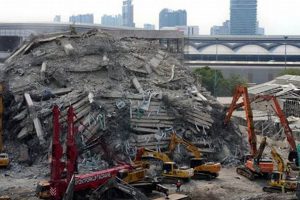



Earthquake-proof skyscraper design is a specialized field of architecture that focuses on the design and construction of skyscrapers that can withstand earthquakes. These buildings are designed to protect occupants from injury or death in the event of an earthquake, and to minimize damage to the building itself.
Earthquake-proof skyscraper design is important because earthquakes can cause significant damage to buildings and infrastructure, and can result in loss of life. By designing and constructing buildings that can withstand earthquakes, we can help to protect people and property from these events.
There are a number of different techniques that can be used to design and construct earthquake-proof skyscrapers. These techniques include:
- Using a strong and flexible structural system
- Isolating the building from the ground using base isolators
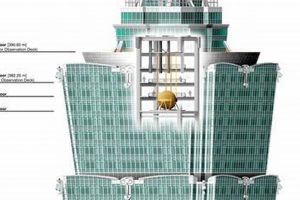
- Damping the vibrations of the building using tuned mass dampers
By using these techniques, engineers can design and construct skyscrapers that can withstand even the strongest earthquakes.
1. Structural System

The structural system of a skyscraper is one of the most important aspects of earthquake proof design. The structural system is responsible for resisting the forces of an earthquake and protecting the building’s occupants. There are a variety of different structural systems that can be used in earthquake proof skyscrapers, including steel frames, concrete frames, and reinforced concrete shear walls.
Steel frames are a common choice for earthquake proof skyscrapers because they are strong and flexible. Steel frames are also relatively lightweight, which can help to reduce the overall weight of the building. Concrete frames are another popular choice for earthquake proof skyscrapers. Concrete frames are strong and durable, and they can be cast into complex shapes, which can help to create a more earthquake-resistant building.
Reinforced concrete shear walls are a type of structural system that is specifically designed to resist the forces of an earthquake. Reinforced concrete shear walls are made of concrete that has been reinforced with steel rebar. The steel rebar helps to strengthen the concrete and make it more resistant to cracking and failure.
The structural system of a skyscraper is a critical component of earthquake proof design. By choosing the right structural system and using high-quality materials, engineers can design and construct earthquake proof skyscrapers that can protect people and property from the devastating effects of earthquakes.
2. Base Isolation

Base isolation is a critical component of earthquake proof skyscraper design. By isolating the building from the ground, base isolation systems can significantly reduce the amount of force that is transferred to the building during an earthquake. This can help to protect the building’s occupants and prevent damage to the building itself.
- Components of Base Isolation Systems
Base isolation systems typically consist of a layer of flexible material, such as rubber or lead, that is placed between the building and the ground. This layer of material helps to absorb and dissipate the energy of an earthquake, reducing the amount of force that is transferred to the building. - Examples of Base Isolation Systems
Base isolation systems have been used in a variety of buildings around the world, including the San Francisco City Hall, the Los Angeles County Museum of Art, and the Taipei 101 skyscraper. These systems have been shown to be effective in reducing the damage caused by earthquakes. - Benefits of Base Isolation Systems
Base isolation systems offer a number of benefits for earthquake proof skyscraper design, including:- Reduced damage to the building structure
- Reduced risk of injury to occupants
- Improved building performance during an earthquake
Base isolation is a proven technology that can be used to protect buildings from the effects of earthquakes. By isolating the building from the ground, base isolation systems can reduce the amount of force that is transferred to the building, protecting the building’s occupants and preventing damage to the building itself.
3. Damping
Damping is an essential component of earthquake proof skyscraper design. Damping systems help to reduce the vibrations of a building during an earthquake, which can help to protect the building’s occupants and prevent damage to the building itself.
There are a variety of different damping systems that can be used in earthquake proof skyscrapers. Some common types of damping systems include:
- Viscous dampers: Viscous dampers are devices that use a viscous fluid to dissipate energy from the building’s vibrations.
- Friction dampers: Friction dampers are devices that use friction to dissipate energy from the building’s vibrations.
- Tuned mass dampers: Tuned mass dampers are devices that use a mass that is tuned to the natural frequency of the building to dissipate energy from the building’s vibrations.
Damping systems are an important part of earthquake proof skyscraper design. By reducing the vibrations of the building, damping systems can help to protect the building’s occupants and prevent damage to the building itself.
Here are some real-life examples of damping systems being used in earthquake proof skyscraper design:
- The Taipei 101 skyscraper in Taiwan is equipped with a tuned mass damper that weighs 660 tons. The damper helps to reduce the building’s vibrations by up to 40%.
- The Burj Khalifa skyscraper in Dubai is equipped with a series of viscous dampers that help to reduce the building’s vibrations by up to 30%.
- The Shanghai Tower in China is equipped with a series of friction dampers that help to reduce the building’s vibrations by up to 20%.
These are just a few examples of how damping systems are being used to protect earthquake proof skyscrapers from the effects of earthquakes. Damping systems are an essential part of earthquake proof skyscraper design, and they play a vital role in protecting people and property from the devastating effects of earthquakes.
4. Redundancy

Redundancy is an essential component of earthquake proof s
kyscraper design. By including multiple systems that can perform the same function, engineers can help to ensure that the building will remain safe and functional even if one or more of its systems is damaged in an earthquake.
There are many different ways to incorporate redundancy into earthquake proof skyscraper design. For example, engineers may include multiple staircases, elevators, and fire escapes. They may also include backup power generators and water supplies. By providing multiple ways for people to evacuate the building, access essential services, and stay safe, engineers can help to ensure that the building will remain habitable even after a major earthquake.
Here are some real-life examples of how redundancy has been used in earthquake proof skyscraper design:
- The Taipei 101 skyscraper in Taiwan is equipped with multiple staircases, elevators, and fire escapes. The building also has a backup power generator and water supply.
- The Burj Khalifa skyscraper in Dubai is equipped with multiple staircases, elevators, and fire escapes. The building also has a backup power generator and water supply.
- The Shanghai Tower in China is equipped with multiple staircases, elevators, and fire escapes. The building also has a backup power generator and water supply.
These are just a few examples of how redundancy is being used to protect earthquake proof skyscrapers from the effects of earthquakes. Redundancy is an essential part of earthquake proof skyscraper design, and it plays a vital role in protecting people and property from the devastating effects of earthquakes.
5. Emergency Planning

When designing earthquake proof skyscrapers, it is essential to consider emergency planning to ensure the safety of occupants during and after an earthquake. Emergency plans should include procedures for evacuation, communication, and medical care so that occupants can respond appropriately and minimize risks.
- Evacuation Procedures
Evacuation procedures should be clearly defined and communicated to occupants so that they know what to do in the event of an earthquake. These procedures should include designated evacuation routes, assembly points, and procedures for assisting individuals with disabilities.For example, the Burj Khalifa skyscraper in Dubai has a comprehensive evacuation plan that includes designated evacuation routes and assembly points on each floor. The plan also includes procedures for assisting individuals with disabilities, such as providing wheelchairs and assistance from trained staff.
- Communication Procedures
Communication procedures are essential for coordinating evacuation and providing updates to occupants during an earthquake. These procedures should include methods for communicating with occupants within the building, as well as with authorities outside the building.For example, the Taipei 101 skyscraper in Taiwan has an advanced communication system that allows occupants to communicate with each other and with authorities using a variety of methods, including intercoms, cell phones, and the internet.
- Medical Care Procedures
Medical care procedures are essential for providing immediate medical assistance to occupants who may be injured during an earthquake. These procedures should include protocols for triage, first aid, and transportation to medical facilities.For example, the Shanghai Tower in China has a dedicated medical center that is equipped to provide first aid and other medical care to occupants in the event of an earthquake. The medical center is staffed by trained medical professionals who can provide immediate assistance to those who need it.
By incorporating these facets of emergency planning into earthquake proof skyscraper design, architects and engineers can help to ensure that occupants are safe and well-prepared in the event of an earthquake.
6. Seismic Codes

Seismic codes are a critical component of earthquake proof skyscraper design. These codes provide engineers and architects with the minimum standards that must be met in order to ensure that buildings are resistant to earthquakes. Seismic codes are based on the latest scientific research and engineering knowledge, and they are updated regularly to reflect the latest advances in earthquake engineering.
Earthquake proof skyscrapers must be designed and constructed in accordance with seismic codes in order to ensure that they are safe for occupants and that they will not collapse in the event of an earthquake. Seismic codes specify the minimum requirements for the structural design of buildings, including the materials that must be used, the size and shape of structural members, and the methods of construction.
There are many real-life examples of how seismic codes have helped to protect earthquake proof skyscrapers from the effects of earthquakes. For example, the Taipei 101 skyscraper in Taiwan was designed and constructed in accordance with seismic codes, and it withstood a magnitude 6.8 earthquake in 2002 with only minor damage. The Burj Khalifa skyscraper in Dubai was also designed and constructed in accordance with seismic codes, and it withstood a magnitude 5.8 earthquake in 2013 with no damage.
Seismic codes are an essential part of earthquake proof skyscraper design. By ensuring that buildings are designed and constructed in accordance with seismic codes, engineers and architects can help to protect people and property from the devastating effects of earthquakes.
7. Testing
Testing is an essential part of earthquake proof skyscraper design. It allows engineers to verify that the building will be able to withstand the forces of an earthquake and protect the occupants inside. There are a variety of different testing methods that can be used, including shake tables and computer simulations.
Shake tables are large platforms that can simulate the ground motions of an earthquake. They are used to test full-scale models of buildings and other structures. Computer simulations can also be used to test earthquake proof skyscrapers. These simulations use mathematical models to predict how the building will respond to different earthquake scenarios.
Testing is a critical step in the design process of earthquake proof skyscrapers. It helps to ensure that the building will be safe for occupants and that it will not collapse in the event of an earthquake.
Here are some real-life examples of how testing has been used to improve earthquake proof skyscraper design:
- The Taipei 101 skyscraper in Taiwan was tested using a shake table before it was constructed. The test results helped engineers to identify and correct potential weaknesses in the design.
- The Burj Khalifa skyscraper in Dubai was also tested using a shake table before it was constructed. The test results helped engineers to optimize the design of the building and to ensure that it would be able to withstand the forces of an earthquake.
These are just a few examples of how testing is used to improve earthquake proof skyscraper design. Testing is an essential part of the design process, and it helps to ensure th
at earthquake proof skyscrapers are safe for occupants and that they will not collapse in the event of an earthquake.
FAQs on Earthquake Proof Skyscraper Design
Earthquake proof skyscraper design is a specialized field of architecture that focuses on designing and constructing skyscrapers that can withstand earthquakes. These buildings are designed to protect occupants from injury or death in the event of an earthquake, and to minimize damage to the building itself.
Question 1: What are the key considerations in earthquake proof skyscraper design?
The key considerations in earthquake proof skyscraper design include the structural system, base isolation, damping, redundancy, emergency planning, seismic codes, and testing.
Question 2: What are the different types of structural systems used in earthquake proof skyscrapers?
The different types of structural systems used in earthquake proof skyscrapers include steel frames, concrete frames, and reinforced concrete shear walls.
Question 3: What is base isolation and how does it work?
Base isolation is a system that isolates a building from the ground, reducing the amount of force that is transferred to the building during an earthquake. Base isolation systems use a variety of materials, including rubber, lead, and steel.
Question 4: What is damping and how does it help to protect earthquake proof skyscrapers?
Damping is a system that reduces the vibrations of a building during an earthquake. Damping systems use a variety of materials, including steel, concrete, and water.
Question 5: What is redundancy and why is it important in earthquake proof skyscraper design?
Redundancy is the inclusion of multiple systems that can perform the same function. In earthquake proof skyscrapers, redundancy is used to ensure that the building can still function even if one or more of its systems is damaged.
Question 6: What are seismic codes and how do they ensure the safety of earthquake proof skyscrapers?
Seismic codes are building codes that are designed to ensure that buildings are resistant to earthquakes. Earthquake proof skyscrapers must be designed and constructed in accordance with seismic codes.
Summary
Earthquake proof skyscraper design is a complex and challenging field, but it is also essential for protecting people and property from the devastating effects of earthquakes. By understanding the key considerations in earthquake proof skyscraper design, we can help to ensure that our buildings are safe and resilient.
Transition to the next article section
The next section of this article will discuss the benefits of earthquake proof skyscraper design.
Tips on Earthquake Proof Skyscraper Design
Earthquake proof skyscraper design is a specialized field of architecture that focuses on designing and constructing skyscrapers that can withstand earthquakes. These buildings are designed to protect occupants from injury or death in the event of an earthquake, and to minimize damage to the building itself.
Here are some tips on earthquake proof skyscraper design:
Tip 1: Use a strong and flexible structural system
The structural system of a skyscraper is responsible for resisting the forces of an earthquake. Earthquake proof skyscrapers use a variety of structural systems, including steel frames, concrete frames, and reinforced concrete shear walls. These systems are designed to be strong and flexible, so that they can withstand the forces of an earthquake without collapsing. Tip 2: Isolate the building from the ground using base isolators
Base isolation is a system that isolates a building from the ground, reducing the amount of force that is transferred to the building during an earthquake. Base isolation systems use a variety of materials, including rubber, lead, and steel. These materials are designed to absorb and dissipate the energy of an earthquake, preventing it from damaging the building. Tip 3: Dampen the vibrations of the building using tuned mass dampers
Damping is a system that reduces the vibrations of a building during an earthquake. Tuned mass dampers are devices that are attached to the building and tuned to the natural frequency of the building. When the building starts to vibrate during an earthquake, the tuned mass damper will vibrate in the opposite direction, which helps to reduce the overall vibrations of the building. Tip 4: Include multiple systems that can perform the same function
Redundancy is the inclusion of multiple systems that can perform the same function. In earthquake proof skyscrapers, redundancy is used to ensure that the building can still function even if one or more of its systems is damaged. For example, earthquake proof skyscrapers may have multiple staircases, elevators, and fire escapes. This ensures that occupants can still evacuate the building safely even if one of these systems is damaged. Tip 5: Develop emergency plans that include procedures for evacuation, communication, and medical care
Emergency planning is essential for ensuring the safety of occupants in the event of an earthquake. Earthquake proof skyscrapers should have emergency plans that include procedures for evacuation, communication, and medical care. These plans should be communicated to all occupants of the building and should be practiced regularly. Summary
By following these tips, architects and engineers can design and construct earthquake proof skyscrapers that can withstand the forces of an earthquake and protect the occupants inside.
Transition to the article’s conclusion
The conclusion of this article will discuss the importance of earthquake proof skyscraper design and its benefits for society.
Conclusion
Earthquake proof skyscraper design is a critical field of architecture that focuses on designing and constructing skyscrapers that can withstand the forces of earthquakes. These buildings are essential for protecting people and property from the devastating effects of earthquakes, and they play a vital role in creating resilient communities.
Throughout this article, we have explored the key aspects of earthquake proof skyscraper design, including structural systems, base isolation, damping, redundancy, emergency planning, seismic codes, and testing. We have also discussed the benefits of earthquake proof skyscraper design, such as the protection of human life, the preservation of property, and the maintenance of economic activity.
As we continue to face the threat of earthquakes, it is more important than ever to invest in earthquake proof skyscraper design. By designing and constructing earthquake proof skyscrapers, we can help to create safer and more resilient communities.