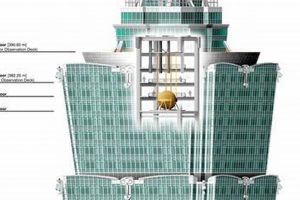



Skyscrapers are defined as buildings that contain over 40 floors and are taller than 150 meters. Skyscrapers are often used to house offices, apartments, and other commercial spaces. They are typically built in large cities where land is scarce and expensive.
France does have skyscrapers, although they are not as common as in some other countries, such as the United States or China. The tallest skyscraper in France is the Tour First, which is located in the La Dfense business district of Paris. It is 231 meters tall and has 56 floors. Other notable skyscrapers in France include the Tour Montparnasse, the Tour Eiffel, and the Grande Arche de la Dfense.
There are several reasons why France does not have as many skyscrapers as some other countries.
- Architectural heritage: France has a strong architectural heritage, and many people believe that skyscrapers would not be in keeping with the traditional character of French cities.
- Zoning laws: France has strict zoning laws that limit the height of buildings in certain areas.
- Public transportation: France has a well-developed public transportation system, which makes it less necessary to build skyscrapers to accommodate large numbers of people.
Despite these factors, there is a growing trend towards the construction of skyscrapers in France. This is due in part to the increasing demand for office space in major cities and the desire to create more iconic and recognizable landmarks.
1. Architectural heritage

France has a long and rich architectural history, dating back to the Middle Ages. Many of the country’s most iconic buildings are centuries old, and they reflect the unique architectural styles of their respective eras. For example, the Gothic cathedrals of Notre Dame and Chartres are world-renowned for their beauty and grandeur, while the Renaissance chteaux of the Loire Valley are known for their elegance and sophistication.
- Preservation of historical landmarks: France has a strong commitment to preserving its historical landmarks. The country has strict laws in place to protect these buildings from demolition or alteration. This commitment to preservation has helped to ensure that France’s architectural heritage remains intact for future generations.
- Public opinion: Many French people believe that skyscrapers would not be in keeping with the traditional character of their cities. They argue that skyscrapers are too modern and out of place in historic urban environments. This public opinion has made it difficult for developers to build skyscrapers in France.
- Zoning laws: In order to protect the architectural heritage of French cities, the government has implemented strict zoning laws that limit the height of buildings. These laws make it difficult to build skyscrapers in many areas of the country.
- Alternatives to skyscrapers: There are a number of alternatives to skyscrapers that can be used to accommodate the growing need for office space in French cities. These alternatives include building taller buildings with fewer floors, or renovating existing buildings to make them more efficient.
The debate over whether or not to build skyscrapers in France is likely to continue for many years to come. However, it is clear that the country’s strong commitment to preserving its architectural heritage will continue to be a major factor in the decision-making process.
2. Zoning laws
Zoning laws are government regulations that divide a city or town into different zones, each with its own set of building height restrictions. These laws are designed to control the development of land and to ensure that new buildings are compatible with the existing character of the area. In France, zoning laws are particularly strict in historic city centers and other areas where the government wants to preserve the traditional architectural heritage.
The strict zoning laws in France have a significant impact on the construction of skyscrapers. In many historic city centers, it is simply not possible to build a skyscraper because the zoning laws prohibit buildings from exceeding a certain height. For example, in the city of Paris, the maximum building height is 37 meters (121 feet). This means that it is impossible to build a skyscraper in the city center.
The zoning laws in France have been criticized by some who argue that they are too restrictive and that they prevent the construction of modern, iconic buildings. However, the government argues that the zoning laws are necessary to protect the country’s architectural heritage. The government also argues that there are other ways to accommodate the need for new office space, such as building taller buildings with fewer floors or renovating existing buildings to make them more efficient.
The debate over zoning laws in France is likely to continue for many years to come. However, it is clear that the strict zoning laws are a major factor in the limited number of skyscrapers in France.
3. Public transportation

One of the reasons why France does not have as many skyscrapers as some other countries is because it has a well-developed public transportation system. This means that people can easily get around without having to own a car, which reduces the demand for parking spaces and other amenities that are typically associated with skyscrapers.
In addition, the French government has made a conscious effort to promote public transportation over private car ownership. This has included investing in new public transportation infrastructure, such as high-speed rail lines and bus rapid transit systems. As a result, public transportation in France is affordable, reliable, and efficient.
The availability of affordable and efficient public transportation has a number of benefits. It helps to reduce traffic congestion, air pollution, and greenhouse gas emissions. It also makes it easier for people to access jobs, education, and other essential services.
The French government’s commitment to public transportation is a major reason why France does not have as many skyscrapers as some other countries. This commitment is likely to continue in the future, as the government recognizes the many benefits of public transportation.
4. Demand for office space
The demand for office space in major French citie
s, such as Paris, Lyon, and Marseille, has been increasing in recent years. This is due to a number of factors, including the growth of the French economy, the increasing number of businesses setting up operations in France, and the increasing popularity of coworking spaces.
The increasing demand for office space has led to a number of new skyscraper developments in major French cities. In Paris, for example, the Tour First, the Tour Montparnasse, and the Tour Eiffel are all skyscrapers that have been built in recent years to meet the demand for office space.
The construction of more skyscrapers in France is a significant trend, as it reflects the growing importance of the country’s economy and its increasing attractiveness to businesses. It is also a trend that is likely to continue in the future, as the demand for office space is expected to continue to grow.
5. Iconic landmarks
Skyscrapers can be iconic landmarks for cities, and they can play a major role in shaping a city’s identity. For example, the Eiffel Tower is one of the most recognizable landmarks in the world, and it is synonymous with the city of Paris. In recent years, France has been increasingly building skyscrapers in order to create more recognizable and distinctive skylines.
There are a number of reasons why France is increasingly building skyscrapers. One reason is that skyscrapers can be used to accommodate the growing demand for office space in major cities. Another reason is that skyscrapers can be used to create more iconic and recognizable landmarks. Additionally, skyscrapers can be used to attract tourists and businesses to a city.
The construction of skyscrapers in France is a significant trend, and it is likely to continue in the future. As France’s economy continues to grow, the demand for office space will continue to increase. Additionally, as France becomes increasingly attractive to tourists and businesses, the need for iconic landmarks will also increase. As a result, it is likely that France will continue to build more skyscrapers in the years to come.
6. Technological advancements

Advances in construction technology are making it possible to build taller and more efficient skyscrapers. This is good news for France, as it means that the country can now build skyscrapers that are both iconic and environmentally friendly.
- New materials: New materials, such as ultra-high-strength concrete and carbon fiber reinforced polymers, are making it possible to build skyscrapers that are both lighter and stronger. This allows architects to design skyscrapers that are taller and more slender than ever before.
- New construction methods: New construction methods, such as modular construction and prefabrication, are making it possible to build skyscrapers more quickly and efficiently. This can save time and money, and it can also reduce the environmental impact of construction.
- New design techniques: New design techniques, such as wind engineering and seismic engineering, are making it possible to build skyscrapers that are more resistant to wind and earthquakes. This is important for France, as the country is located in a seismic zone.
- New energy-efficient technologies: New energy-efficient technologies, such as LED lighting and solar panels, are making it possible to build skyscrapers that are more energy efficient. This can help to reduce the operating costs of skyscrapers and make them more environmentally friendly.
The combination of these advances in construction technology is making it possible to build taller, more efficient, and more sustainable skyscrapers. This is good news for France, as it means that the country can now build skyscrapers that are both iconic and environmentally friendly.
7. Environmental concerns

Skyscrapers can have a significant impact on the environment. They consume a lot of energy, and they can also be vulnerable to wind damage. As a result, it is important to consider the environmental impact of skyscrapers when planning and constructing them.
One of the biggest environmental concerns associated with skyscrapers is their energy consumption. Skyscrapers use a lot of energy to power their lights, elevators, and other systems. This energy consumption can contribute to greenhouse gas emissions and air pollution. In addition, skyscrapers can also be difficult to heat and cool, which can lead to even more energy consumption.
Another environmental concern associated with skyscrapers is their vulnerability to wind damage. Skyscrapers are tall and slender, which makes them susceptible to wind damage. High winds can cause skyscrapers to sway, which can damage the building and its contents. In severe cases, high winds can even cause skyscrapers to collapse.
In France, there are a number of environmental regulations that must be taken into account when constructing skyscrapers. These regulations are designed to minimize the environmental impact of skyscrapers and to make them more sustainable. For example, skyscrapers in France must be designed to be energy efficient and to withstand high winds.
The environmental impact of skyscrapers is a complex issue. However, by carefully planning and constructing skyscrapers, it is possible to minimize their environmental impact and to make them more sustainable.
FAQs on Skyscrapers in France
Skyscrapers have become increasingly common in France, particularly in major cities like Paris and Lyon. While they offer advantages such as increased office space and iconic landmarks, there are also environmental considerations to keep in mind. Here are some frequently asked questions and their answers to provide a comprehensive understanding of skyscrapers in France:
Question 1: How many skyscrapers does France have?
As of 2023, France has approximately 25 skyscrapers that are taller than 150 meters. The tallest skyscraper in France is the Tour First in Paris, standing at 231 meters.
Question 2: Why are there fewer skyscrapers in France compared to other countries?
France has a strong commitment to preserving its architectural heritage and promoting sustainable urban development. Strict zoning laws limit building heights in historic city centers and certain areas to maintain the character and integrity of these regions.
Question 3: How do skyscrapers impact the environment?
Skyscrapers can have environmental implications due to their energy consumption and potential vulnerability to wind damage. However, modern advancements in construction technology and energy-efficient practices aim to reduce their environmental footprint.
Question 4: Are there any regulations for skyscraper construction in France?
Yes, France has environmental regulations in place to minimize the impact of skyscrapers. These regulations include energy efficiency standards, wind resistance requirements, and measures to preserve the architectural harmony of urban environments.
Question 5: W
hat are the benefits of skyscrapers?
Skyscrapers provide increased office space to meet the growing demands of businesses and professionals. They can serve as iconic landmarks, enhancing the city’s skyline and attracting tourism. Additionally, skyscrapers can promote efficient land use, particularly in densely populated urban areas.
Question 6: What are the challenges associated with skyscrapers?
Skyscrapers require careful planning and engineering to ensure structural integrity and withstand environmental factors. They may also face challenges related to energy consumption, maintenance costs, and potential evacuation difficulties in emergency situations.
In summary, skyscrapers in France are a balance between urban development and environmental considerations. While they offer advantages such as increased office space and iconic landmarks, careful planning and adherence to environmental regulations are crucial to minimize their impact and ensure sustainable urban growth.
For more information on skyscrapers in France, please refer to the following resources:
- List of tallest buildings in France
- Emporis: France Skyscrapers
- Skyscraper Center: France
Tips for Understanding Skyscrapers in France
Skyscrapers have become a notable feature in France, particularly in major cities like Paris and Lyon. Understanding their presence and impact requires considering various factors. Here are some tips to enhance your knowledge:
Tip 1: Explore the Architectural Heritage
Recognize that France values its architectural heritage and has strict zoning laws to preserve the character of historic city centers. This influences the limited number of skyscrapers in certain areas, as they may not align with the traditional architectural style.
Tip 2: Consider the Environmental Impact
Be aware of the environmental implications associated with skyscrapers, such as energy consumption and potential vulnerability to wind damage. Modern construction techniques and regulations aim to mitigate these impacts, promoting sustainable urban development.
Tip 3: Understand the Cultural Significance
Skyscrapers can serve as iconic landmarks, enhancing a city’s skyline and attracting tourism. They reflect the evolving urban landscape and represent France’s economic growth and desire for modernity while respecting its architectural heritage.
Tip 4: Examine the Construction Challenges
Skyscraper construction requires careful planning and engineering to ensure structural integrity and withstand environmental factors. Consider the complexities involved in designing and building these towering structures.
Tip 5: Explore the Benefits and Drawbacks
Skyscrapers offer advantages such as increased office space and efficient land use. However, they may also present challenges related to energy consumption, maintenance, and potential evacuation difficulties. Weigh these factors when evaluating the presence of skyscrapers in France.
These tips provide a deeper understanding of the presence and impact of skyscrapers in France. By considering the architectural heritage, environmental factors, cultural significance, construction challenges, and benefits and drawbacks, you can gain a comprehensive perspective on this aspect of French urban development.
Conclusion on Skyscrapers in France
France’s approach to skyscrapers reflects a balance between modernity and heritage preservation. While the country has embraced the construction of skyscrapers in major cities, it has done so with careful consideration for the architectural integrity of historic urban environments. Regulations and a commitment to sustainability guide skyscraper development, minimizing their environmental impact and ensuring they complement the existing cityscape.
Skyscrapers in France serve as symbols of economic growth and urban evolution, yet they also highlight the need for thoughtful planning and responsible construction practices. As France continues to navigate the integration of skyscrapers into its urban fabric, it presents valuable lessons for cities worldwide seeking to harmonize progress with heritage.