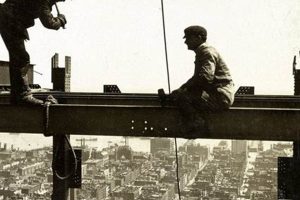



Early American skyscrapers were tall buildings that were constructed in the United States during the late 19th and early 20th centuries. These buildings were a product of the Industrial Revolution and the growth of cities. They were designed to house businesses and offices, and they were often built in areas where land was scarce.
Early American skyscrapers were typically made of steel and concrete, and they were designed to be fireproof. They were also equipped with elevators, which allowed people to move quickly between floors. These buildings were a major innovation in architecture, and they helped to shape the skylines of cities across the United States.
Some of the most famous early American skyscrapers include the Flatiron Building in New York City, the Woolworth Building in New York City, and the Empire State Building in New York City. These buildings are still standing today, and they are considered to be landmarks of American architecture.
1. Height

The height of early American skyscrapers was a major factor in their significance and impact. These buildings were some of the tallest in the world at the time, and they were a symbol of American ingenuity and ambition. The ability to construct such tall buildings was a testament to the advances that had been made in architecture and engineering. These buildings were also a major source of pride for the cities in which they were built, and they helped to create a sense of identity and place.
The height of early American skyscrapers also had a practical significance. These buildings were able to accommodate more people and businesses than shorter buildings, and they were also more efficient in terms of land use. This made them ideal for use in densely populated urban areas. In addition, the height of these buildings allowed them to be seen from a great distance, which made them effective landmarks and advertising tools.
The construction of early American skyscrapers was a major milestone in the history of architecture and engineering. These buildings were a symbol of American innovation and ambition, and they helped to shape the skylines of cities across the United States. The height of these buildings was a key factor in their significance and impact, and it continues to be admired today.
2. Steel and concrete construction

The use of steel and concrete in the construction of early American skyscrapers was a major innovation that had a profound impact on the design and construction of tall buildings. Prior to the use of steel and concrete, buildings were typically made of wood or masonry, which were both flammable and not as durable as steel and concrete. The use of steel and concrete allowed architects and engineers to design and construct buildings that were taller and more fire-resistant than ever before.
- Fire resistance: Steel and concrete are both fire-resistant materials, which means that they do not burn easily. This was a major advantage over wood and masonry, which were both highly flammable. The fire resistance of steel and concrete helped to protect early American skyscrapers from fires, which were a common occurrence in cities at the time.
- Durability: Steel and concrete are also very durable materials, which means that they can withstand the elements and last for many years. This was another major advantage over wood and masonry, which were both more susceptible to rot and decay. The durability of steel and concrete helped to ensure that early American skyscrapers would last for many years and continue to be used by future generations.
- Strength: Steel and concrete are both very strong materials, which means that they can support a lot of weight. This was important for the construction of early American skyscrapers, which were some of the tallest buildings in the world at the time. The strength of steel and concrete allowed architects and engineers to design and construct buildings that were taller and more slender than ever before.
- Cost-effectiveness: Steel and concrete were also relatively inexpensive materials, which made them a cost-effective option for the construction of early American skyscrapers. This was especially important for developers who were looking to build tall buildings on a budget.
The use of steel and concrete in the construction of early American skyscrapers was a major innovation that had a profound impact on the design and construction of tall buildings. These buildings were taller, more fire-resistant, more durable, and more cost-effective than ever before. The use of steel and concrete helped to shape the skylines of cities across the United States and remains an important part of the construction of tall buildings today.
3. Elevators

The invention of the elevator was a major factor in the development of early American skyscrapers. Prior to the invention of the elevator, buildings were limited to a few stories in height, as people could only climb stairs to reach the upper floors. The elevator made it possible to build taller buildings, as people could now be transported to the upper floors quickly and easily.
The first elevators in early American skyscrapers were simple devices, powered by steam or hydraulics. However, over time, elevators became more sophisticated and efficient. Electric elevators, which were invented in the late 19th century, were particularly important, as they allowed for even taller buildings to be constructed.
The elevator had a profound impact on the design of early American skyscrapers. Architects and engineers were now able to design buildings that were taller and more slender, as they no longer had to worry about how people would reach the upper floors. The elevator also made it possible to create more efficient floor plans, as it allowed for the placement of offices and other spaces on different floors, without having to worry about the need for stairs.
The elevator was a key component of early American skyscrapers, and it played a major role in the development of the modern skyscraper. Elevators made it possible to build taller buildings, and they also made it possible to create more efficient and functional floor plans. The elevator is an essential part of the modern skyscraper, and it continues to be an important factor in the design and construction of tall buildings today.
4. Ornate facades

Th
e ornate facades of early American skyscrapers were a reflection of the architectural styles of the time. These facades were often designed to be visually appealing and to make a statement about the building’s purpose and status. For example, the Flatiron Building in New York City is known for its triangular shape and its ornate Beaux-Arts facade. The Woolworth Building in New York City is another example of an early American skyscraper with an ornate facade. Its facade is designed in the Gothic Revival style and features intricate carvings and sculptures.
The ornate facades of early American skyscrapers were also a way to attract tenants. Businesses wanted to be located in buildings that were visually appealing and that would impress their clients. Ornate facades also helped to create a sense of identity for the building and to make it more recognizable. This was especially important in cities where there were many tall buildings, as it helped to distinguish one building from another.
The ornate facades of early American skyscrapers are an important part of their architectural heritage. These facades reflect the architectural styles of the time and they help to create a sense of identity for the buildings. The ornate facades of early American skyscrapers are also a reminder of the importance of beauty and aesthetics in architecture.
5. Landmarks

The fact that many early American skyscrapers are still standing today and are considered to be landmarks of American architecture is a testament to their enduring significance. These buildings were not only technological marvels, but they were also works of art. They were designed to be visually appealing and to make a statement about the building’s purpose and status. For example, the Flatiron Building in New York City is known for its triangular shape and its ornate Beaux-Arts facade. The Woolworth Building in New York City is another example of an early American skyscraper that is considered to be a landmark. Its facade is designed in the Gothic Revival style and features intricate carvings and sculptures.
The status of these buildings as landmarks means that they are protected from demolition and alteration. This is important because it ensures that these buildings will continue to be enjoyed by future generations. It also helps to preserve the architectural heritage of the United States.
The fact that many early American skyscrapers are still standing today and are considered to be landmarks is also a reminder of the importance of beauty and aesthetics in architecture. These buildings were not only built to be functional, but they were also built to be beautiful. They are a testament to the skill and artistry of the architects and engineers who designed and built them.
6. New York City

New York City was the birthplace of the early American skyscraper. The city’s unique combination of factors, including its dense population, limited land area, and financial center, created the perfect environment for the development of tall buildings. The first skyscraper, the Equitable Life Building, was built in New York City in 1873. In the following decades, New York City became home to many of the most famous early American skyscrapers, including the Flatiron Building, the Woolworth Building, and the Empire State Building.
There are several reasons why New York City became the center of skyscraper construction in the United States. First, New York City was a major financial center. The city’s banks and insurance companies needed large, modern offices to accommodate their growing businesses. Second, New York City had a dense population. This meant that there was a high demand for housing and office space in a limited area. Third, New York City had a strong economy. The city’s manufacturing and trade industries provided the wealth necessary to finance the construction of skyscrapers.
The early American skyscrapers had a profound impact on the development of New York City. They helped to create the city’s iconic skyline and they played a major role in the city’s economy. The skyscrapers also helped to attract new businesses and residents to New York City. Today, New York City is home to some of the most famous and iconic skyscrapers in the world.
7. Industrial Revolution

The construction of early American skyscrapers was a product of the Industrial Revolution and the growth of cities. The Industrial Revolution brought about new technologies and materials, such as steel and concrete, which made it possible to build taller and more durable buildings. The growth of cities also created a demand for more housing and office space, which further spurred the construction of skyscrapers.
The Industrial Revolution had a profound impact on the construction of early American skyscrapers. Prior to the Industrial Revolution, buildings were typically made of wood or masonry, which were both flammable and not as durable as steel and concrete. The invention of steel and concrete made it possible to build taller and more fire-resistant buildings. This was especially important in cities, where land was scarce and there was a high demand for housing and office space.
The growth of cities also played a major role in the construction of early American skyscrapers. As cities grew, there was an increasing demand for housing and office space. This demand led to the construction of taller and more densely populated buildings. The construction of skyscrapers was a way to meet this demand without taking up too much land.
The construction of early American skyscrapers was a major milestone in the history of architecture and engineering. These buildings were the tallest and most technologically advanced buildings of their time. They were a symbol of American ingenuity and ambition, and they helped to shape the skylines of cities across the United States.
The connection between the Industrial Revolution and the construction of early American skyscrapers is a complex one. However, it is clear that the Industrial Revolution played a major role in the development of the skyscraper. The new technologies and materials that were developed during the Industrial Revolution made it possible to build taller and more durable buildings. The growth of cities also created a demand for more housing and office space, which further spurred the construction of skyscrapers.
FAQs about Early American Skyscrapers
This section provides answers to frequently asked questions about early American skyscrapers. These questions address common concerns or misconceptions about these iconic buildings.
Question 1: What is the definition of an early American skyscraper?
Early American skyscrapers are tall buildings that were constructed in the United States during the late 19th and early 20th centuries. These buildings were a product of the Industrial Revolution and the growth of cities. They were designed to house businesses and offices, and they were often built in areas where land was scarce.
Question 2: What are the key characteristics of early American skyscrapers?
Early American skyscrapers are typically made of steel and concrete, and they are designed to be fi
reproof. They are also equipped with elevators, which allow people to move quickly between floors. These buildings often have ornate facades, which reflect the architectural styles of the time.
Question 3: What are some of the most famous early American skyscrapers?
Some of the most famous early American skyscrapers include the Flatiron Building in New York City, the Woolworth Building in New York City, and the Empire State Building in New York City. These buildings are still standing today, and they are considered to be landmarks of American architecture.
Question 4: Why were early American skyscrapers built?
Early American skyscrapers were built to meet the demands of a growing population and a booming economy. These buildings were designed to house businesses and offices, and they were often built in areas where land was scarce. Skyscrapers were also built as a symbol of American ingenuity and ambition.
Question 5: How did early American skyscrapers impact the development of cities?
Early American skyscrapers had a profound impact on the development of cities. These buildings helped to create dense, urban environments, and they played a major role in the development of public transportation systems. Skyscrapers also helped to attract new businesses and residents to cities.
Question 6: What is the legacy of early American skyscrapers?
Early American skyscrapers are a testament to the ingenuity and ambition of the American people. These buildings are still standing today, and they continue to be admired for their beauty and grandeur. Early American skyscrapers helped to shape the skylines of cities across the United States, and they remain an important part of American architectural heritage.
These FAQs provide a comprehensive overview of early American skyscrapers. These buildings were a product of the Industrial Revolution and the growth of cities, and they played a major role in the development of American architecture and urban planning.
Tips for Understanding Early American Skyscrapers
To better comprehend and appreciate early American skyscrapers, consider these valuable tips:
Tip 1: Recognize Their Historical Context
Early American skyscrapers emerged during the late 19th and early 20th centuries, a period marked by rapid industrialization and urban growth. Understanding the historical context helps appreciate the need for such towering structures.
Tip 2: Explore Architectural Innovations
These skyscrapers showcased groundbreaking architectural innovations, including the use of steel frames and concrete, which enabled the construction of taller and more resilient buildings. Explore the distinct architectural styles and ornamentation that adorned these structures.
Tip 3: Consider Their Impact on Urban Development
Early American skyscrapers played a pivotal role in shaping urban environments. They fostered vertical growth, allowing cities to accommodate more people and businesses within limited space. Examine how these buildings influenced transportation systems and urban planning.
Tip 4: Identify Famous Examples
Familiarize yourself with iconic early American skyscrapers such as the Flatiron Building, the Woolworth Building, and the Empire State Building. Study their unique characteristics and the stories behind their construction.
Tip 5: Visit and Appreciate
If possible, visit these architectural marvels in person. Experience their grandeur, observe their intricate details, and immerse yourself in their historical significance.
Tip 6: Engage with Experts
Attend lectures or guided tours led by historians or architects specializing in early American skyscrapers. Their insights will enhance your understanding and appreciation for these structures.
Tip 7: Study Preservation Efforts
Recognize the importance of preserving these historic landmarks. Explore ongoing efforts to maintain and restore early American skyscrapers, ensuring their legacy for future generations.
Tip 8: Draw Inspiration
Early American skyscrapers continue to inspire architects and engineers today. Study their design principles and innovative solutions to gain valuable insights for contemporary architecture.
By following these tips, you will gain a deeper understanding and appreciation for early American skyscrapers, their historical significance, and their enduring impact on architecture and urban development.
In conclusion, these early skyscrapers stand as testaments to human ingenuity and the pursuit of architectural excellence. Through careful observation, research, and appreciation, we can continue to learn from and admire these remarkable structures.
Conclusion
Early American skyscrapers, born from the Industrial Revolution and urban expansion, revolutionized architecture and reshaped city skylines. Their steel frames and concrete structures soared to unprecedented heights, showcasing innovative engineering and design. These buildings were not only functional marvels but also artistic expressions, adorned with intricate facades and ornamentation that reflected the architectural styles of their time.
The construction of early American skyscrapers was a testament to the ingenuity and ambition of the American people. These buildings were symbols of progress and prosperity, and they played a pivotal role in the development of modern cities. Today, these skyscrapers continue to stand as landmarks, reminding us of the architectural achievements of the past and inspiring future generations.