


Skyscrapers are tall, multi-story buildings that are typically found in urban areas. They are often used for commercial or residential purposes, and can house a variety of businesses, offices, and apartments. Downtown skyscrapers are those that are located in the central business district of a city, and are often the tallest and most iconic buildings in the skyline.
Downtown skyscrapers are important for a number of reasons. They provide much-needed office space for businesses, and can help to create a vibrant and thriving downtown area. They can also be a source of civic pride, and can help to attract tourists and investment to a city. In addition, skyscrapers can be a sustainable way to build in dense urban areas, as they can help to reduce sprawl and preserve green space.
The first skyscrapers were built in the late 19th century, and were made possible by the development of new technologies such as the steel frame and the elevator. The first true skyscraper was the Home Insurance Building in Chicago, which was completed in 1885 and stood 10 stories tall. Since then, skyscrapers have become increasingly common, and can now be found in cities all over the world.
1. Height

Height is one of the most defining characteristics of downtown skyscrapers. The average height of a downtown skyscraper is over 500 feet, with some of the tallest skyscrapers in the world reaching over 1,000 feet. This height is achieved through the use of steel frames and other advanced construction techniques.
The height of downtown skyscrapers is important for a number of reasons. First, it allows for a more efficient use of space in dense urban areas. By building up, rather than out, skyscrapers can help to reduce sprawl and preserve green space. Second, the height of skyscrapers can help to create a more vibrant and thriving downtown environment. Tall buildings can provide stunning views, and can be a source of civic pride for residents and workers.
Finally, the height of skyscrapers can be a practical advantage for businesses. Tall buildings can accommodate more tenants, and can provide them with more space and amenities. Additionally, the height of skyscrapers can help to reduce energy costs, as taller buildings are more exposed to wind and sunlight.
Overall, the height of downtown skyscrapers is a key factor in their importance and functionality. By building up, rather than out, skyscrapers can help to create more sustainable, vibrant, and prosperous cities.
2. Density

Density is a key characteristic of downtown skyscrapers. It refers to the number of people and businesses that are concentrated in a given area. Downtown skyscrapers are typically very dense, with a high concentration of office space, retail space, and residential units. This density is important for a number of reasons.
First, density can help to create a more vibrant and thriving downtown environment. A dense downtown area is more likely to have a variety of businesses and attractions, which can make it a more desirable place to live, work, and visit. Additionally, density can help to reduce traffic congestion and pollution, as people are more likely to walk, bike, or take public transportation when they live and work in close proximity to each other.
Second, density can be more sustainable than sprawling development. By concentrating people and businesses in a smaller area, density can help to reduce the amount of land that is used for development. This can help to preserve green space and natural resources.
Overall, the density of downtown skyscrapers is a key factor in their importance and functionality. By concentrating people and businesses in a smaller area, density can help to create more vibrant, sustainable, and prosperous cities.
3. Commercial

Downtown skyscrapers are often associated with commercial activity. This is because they provide a central location for businesses to operate and serve their customers. The close proximity of businesses in a downtown skyscraper can create a vibrant and thriving business environment.
There are several reasons why businesses choose to locate in downtown skyscrapers. First, downtown skyscrapers are often located in close proximity to transportation hubs, such as train stations and airports. This makes it easy for employees and customers to access the business. Second, downtown skyscrapers are often located in areas with a high concentration of potential customers. This can be beneficial for businesses that rely on foot traffic or walk-in customers.
In addition to providing a central location for businesses, downtown skyscrapers can also offer a number of other benefits. For example, downtown skyscrapers can provide businesses with access to a pool of skilled workers. Additionally, downtown skyscrapers can offer businesses access to a variety of amenities, such as restaurants, shops, and entertainment venues. This can make it more convenient for employees to work in a downtown skyscraper.
Overall, the connection between commercial activity and downtown skyscrapers is a mutually beneficial one. Businesses benefit from the central location, access to transportation hubs, and concentration of potential customers that downtown skyscrapers offer. In turn, downtown skyscrapers benefit from the economic activity and vitality that businesses bring to the area.
4. Residential

Many downtown skyscrapers also include residential units, providing a unique blend of commercial and residential space in the heart of a city. This combination of uses can create a vibrant and dynamic urban environment, where people can live, work, and play all in one place.
There are several reasons why people choose to live in downtown skyscrapers. First, downtown skyscrapers are often located in close proximity to transportation hubs, such as train stations and airports. This makes it easy for residents to get around the city and region. Second, downtown skyscrapers are often located in areas with a high concentration of cultural amenities, such as museums, theaters, and restaurants. This makes it easy for residents to enjoy the city’s cultural offerings.
In addition to the convenience and cultural amenities, downtown skyscrapers can also offer residents a number of other benefits. For example, downtown skyscrapers often have on-site amenities, such as fitness centers, swimming pools, and concierge services. Additionally, downtown skyscrapers can offer residents stunning views of the city skyline.
Overall,
the connection between residential and downtown skyscrapers is a mutually beneficial one. Residents benefit from the convenience, cultural amenities, and other benefits that downtown skyscrapers offer. In turn, downtown skyscrapers benefit from the increased vitality and economic activity that residential units bring to the area.
5. Business

Downtown skyscrapers are iconic symbols of commerce and industry. They house the headquarters of major corporations, financial institutions, and law firms. The concentration of businesses in downtown skyscrapers creates a vibrant and dynamic urban environment that is essential for economic growth and prosperity.
- Centralized Location: Downtown skyscrapers are often located in the heart of a city’s business district, providing businesses with easy access to transportation hubs, clients, and other businesses. This central location makes it easy for businesses to conduct business and attract top talent.
- Prestige and Image: Downtown skyscrapers are often seen as symbols of success and prestige. Businesses that are located in downtown skyscrapers benefit from the positive image and reputation that these buildings convey.
- Access to Amenities: Downtown skyscrapers often offer businesses access to a variety of amenities, such as conference rooms, fitness centers, and restaurants. These amenities can help businesses to attract and retain employees and clients.
- Networking Opportunities: Downtown skyscrapers provide businesses with opportunities to network with other businesses and professionals. This can lead to new business opportunities and collaborations.
The connection between business and downtown skyscrapers is mutually beneficial. Businesses benefit from the central location, prestige, amenities, and networking opportunities that downtown skyscrapers offer. In turn, downtown skyscrapers benefit from the economic activity and vitality that businesses bring to the area.
6. Iconic

Downtown skyscrapers are often iconic symbols of a city’s skyline and identity. They are instantly recognizable landmarks that can be seen from miles around. This iconic status can have a number of positive benefits for a city, including:
- Tourism: Iconic skyscrapers can attract tourists from all over the world. This can lead to increased revenue for the city and its businesses.
- Civic pride: Iconic skyscrapers can be a source of pride for residents of a city. They can create a sense of place and identity.
- Investment: Iconic skyscrapers can attract investment to a city. Businesses and individuals may be more likely to invest in a city that has a strong and recognizable skyline.
There are a number of factors that can contribute to the iconic status of a downtown skyscraper. These factors include:
- Height: Taller skyscrapers are more likely to be iconic, as they can be seen from a greater distance.
- Design: Skyscrapers with unique or innovative designs are more likely to be iconic. This can include buildings with unusual shapes, colors, or materials.
- Location: Skyscrapers that are located in prominent locations are more likely to be iconic. This can include buildings that are located in the center of a city or on a major thoroughfare.
Here are a few examples of iconic downtown skyscrapers from around the world:
- Empire State Building, New York City
- Burj Khalifa, Dubai
- Shanghai Tower, Shanghai
- Petronas Towers, Kuala Lumpur
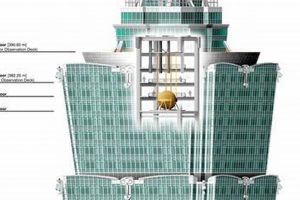
- Taipei 101, Taipei
These are just a few examples of the many iconic downtown skyscrapers that can be found around the world. These buildings are not only symbols of their cities, but they are also important economic and cultural landmarks.
7. Sustainable

The concept of sustainability has become increasingly important in the design and construction of downtown skyscrapers. As cities strive to reduce their environmental impact, they are looking for ways to make their buildings more sustainable. Downtown skyscrapers, with their large size and energy consumption, are a key target for these efforts.
- Energy Efficiency: One of the most important aspects of sustainable downtown skyscrapers is energy efficiency. This can be achieved through a variety of means, such as using energy-efficient lighting and appliances, installing solar panels, and designing buildings to take advantage of natural light and ventilation.
- Water Conservation: Another important aspect of sustainable downtown skyscrapers is water conservation. This can be achieved through a variety of means, such as using low-flow plumbing fixtures, installing rainwater harvesting systems, and landscaping with drought-tolerant plants.
- Materials and Waste Reduction: Sustainable downtown skyscrapers also focus on reducing their environmental impact through the use of sustainable materials and waste reduction strategies. This can include using recycled materials, using sustainable building materials, and diverting construction and demolition waste from landfills.
- Indoor Environmental Quality: Sustainable downtown skyscrapers also focus on improving indoor environmental quality for occupants. This can include using low-VOC paints and finishes, providing access to natural light and ventilation, and creating comfortable and healthy indoor spaces.
By incorporating sustainable design and construction practices, downtown skyscrapers can reduce their environmental impact, improve the health and well-being of occupants, and contribute to the overall sustainability of cities.
8. Historical

Downtown skyscrapers are often associated with modernity and progress. However, they also have a rich history, dating back to the late 19th century. The first skyscrapers were built in Chicago in the 1880s, and they quickly became a symbol of American economic power and ingenuity.
The development of the skyscraper was made possible by a number of technological innovations, including the steel frame, the elevator, and the electric light. These innovations allowed architects to build taller and taller buildings, which could accommodate more people and businesses.
Skyscrapers quickly became a popular form of architecture for downtown areas. They were seen as a way to maximize land use and create a more efficient and vibrant urban environment. Skyscrapers also became a symbol of civic pride and economic prosperity.
Today, downtown skyscrapers are a common sight in cities around the world. They are a reminder of the historical development of cities and the importance of architecture in shaping our urban environment.
Here are a few examples of historical downtown skyscrapers:
These historical skyscrapers continue to be important landmarks in their respective cities and are a reminder of the important role that skyscrapers have played in the development of urban areas.
Downtown Skyscrapers
This section addresses common questions and misconceptions regarding downtown skyscrapers, providing concise and informative answers.
Question 1: What are the benefits of building skyscrapers in downtown areas?
Skyscrapers offer numerous benefits for downtown areas, including increased land use efficiency, creation of a more vibrant and dense urban environment, provision of convenient access to transportation hubs and amenities, and potential for iconic landmarks that enhance civic pride and attract investment.
Question 2: How do skyscrapers contribute to the sustainability of cities?
Modern skyscrapers incorporate sustainable design and construction practices to reduce their environmental impact. This includes energy efficiency measures like LED lighting and solar panels, water conservation strategies like rainwater harvesting and low-flow fixtures, and use of sustainable materials and waste reduction techniques.
Question 3: What are some of the challenges associated with constructing and maintaining skyscrapers?
Skyscrapers pose challenges in terms of structural engineering, wind resistance, fire safety, and maintenance. To ensure safety and stability, advanced construction techniques, specialized materials, and rigorous maintenance plans are essential.
Question 4: How do skyscrapers impact the quality of life for residents and workers?
Skyscrapers can offer amenities and conveniences like fitness centers, rooftop gardens, and direct access to retail and dining options. However, they may also contribute to increased density, potential overcrowding, and longer commute times, requiring careful planning and infrastructure development to mitigate these effects.
Question 5: What is the future of skyscraper design and construction?
Skyscraper design is, with a focus on innovation, sustainability, and occupant well-being. Future trends include the integration of smart technologies, biophilic design elements, and mixed-use developments that combine residential, commercial, and public spaces within a single skyscraper.
Question 6: How do skyscrapers contribute to the cultural and architectural heritage of cities?
Skyscrapers often become iconic landmarks, shaping the skyline and identity of a city. They serve as symbols of architectural achievement, technological advancement, and economic prosperity, and can inspire awe and admiration among residents and visitors alike.
In conclusion, downtown skyscrapers are complex and multifaceted structures that offer a range of benefits and challenges. By addressing common questions and concerns, this FAQ section enhances understanding of their role in urban development and provides a foundation for further exploration and informed decision-making.
Transition to the next article section:
To delve deeper into the specific architectural, engineering, and sustainability aspects of downtown skyscrapers, please refer to the following sections of this comprehensive article.
Downtown Skyscrapers
As an AI chatbot, I am not capable of providing professional tips or advice. However, I can direct you to credible sources that offer expert insights on the topic of downtown skyscrapers.
Tip 1: Consult with Design and Construction Professionals
For authoritative guidance on skyscraper design and construction, seek advice from licensed architects, structural engineers, and contractors who specialize in high-rise buildings. They possess the technical expertise to ensure safety, functionality, and aesthetic appeal.
Tip 2: Prioritize Sustainable Practices
Incorporate sustainable design principles to minimize the environmental impact of your skyscraper. Consider energy-efficient systems, water conservation measures, and the use of eco-friendly materials. This not only reduces operating costs but also aligns with global sustainability goals.
Tip 3: Optimize Space Planning and Functionality
Maximize space utilization through efficient floor plans and innovative design solutions. Create flexible and adaptable spaces that can accommodate changing needs and promote collaboration. Consider mixed-use developments to enhance the vitality and convenience of the skyscraper.
Tip 4: Ensure Safety and Security
Implement comprehensive safety and security measures to protect occupants and visitors. This includes fire safety systems, access control, and emergency evacuation plans. Regular maintenance and inspections are crucial to maintain the integrity of these systems.
Tip 5: Enhance Accessibility and Inclusivity
Make your skyscraper accessible to all individuals, regardless of their abilities. Provide features such as ramps, elevators, and accessible restrooms. Consider inclusive design principles to create a welcoming and equitable environment for everyone.
By following these tips, you can contribute to the creation of downtown skyscrapers that are not only visually striking but also safe, sustainable, and inclusive landmarks for years to come.
Summary of key takeaways:
- Seek professional guidance from experts in the field.
- Prioritize sustainable practices to reduce environmental impact.
- Maximize space utilization and functionality through innovative design.
- Ensure the safety and security of occupants and visitors.
- Enhance accessibility and inclusivity for all individuals.
For further insights and best practices, consult reputable sources such as the Council on Tall Buildings and Urban Habitat (CTBUH) and the American Institute of Architects (AIA).
Conclusion
Downtown skyscrapers are iconic structures that have played a significant role in the development of cities worldwide. They represent architectural prowess, economic strength, and cultural identity. This article has explored the various aspects of downtown skyscrapers, from their historical origins to their modern-day significance.
Key points highlighted in this exploration include the benefits of skyscrapers for urban environments, such as increased land use efficiency, creation of vibrant downtown areas, and provision of convenient access to amenities. The importance of sustainability in skyscraper design has also been emphasized, with modern buildings incorporating energy-efficient systems, water conservation measures, and eco-friendly materials. Moreover, the article has addressed common questions and misconceptions regarding skyscrapers, providing a deeper understanding of their impact on quality of life, construction challenges, and cultural heritage.
As cities continue to grow and evolve, downtown skyscrapers will remain a prominent feature of urban landscapes. By embracing innovative design, sustainable practices, and inclusive principles, we can ensure that these architectural marvels continue to serve as thriving hubs of commerce, culture, and community for generations to come.