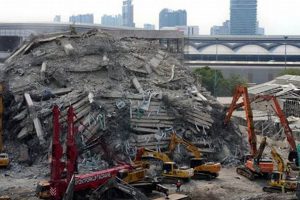



A destroyed skyscraper is a building that has been severely damaged or completely collapsed, typically due to a natural disaster, accident, or act of war. Skyscrapers are high-rise buildings that are often used for commercial or residential purposes, and their destruction can have a significant impact on the surrounding area.
There are many reasons why a skyscraper might be destroyed. Some of the most common causes include:
- Natural disasters: Earthquakes, hurricanes, and tornadoes can all cause significant damage to skyscrapers, and in some cases, even lead to their complete collapse.
- Accidents: Fires, explosions, and structural failures can also cause skyscrapers to be destroyed.
- Acts of war: Skyscrapers can be targeted by bombs or missiles during wartime, which can lead to their destruction.
The destruction of a skyscraper can have a devastating impact on the surrounding area. The collapse of a building can cause widespread damage to other buildings and infrastructure, and it can also lead to the loss of life. In addition, the destruction of a skyscraper can have a significant economic impact on the community, as it can lead to the loss of jobs and businesses.
There are a number of ways to prevent the destruction of skyscrapers. These include:
- Building codes: Building codes can help to ensure that skyscrapers are constructed in a way that makes them resistant to damage.
- Emergency preparedness plans: Emergency preparedness plans can help to ensure that skyscrapers are evacuated quickly and safely in the event of an emergency.
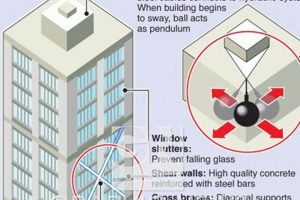
- Structural analysis: Structural analysis can help to identify potential weaknesses in a skyscraper’s design, which can then be addressed through retrofitting or other measures.
By taking these steps, we can help to protect skyscrapers from destruction and ensure that they remain safe places to live and work.
1. Cause
The cause of the destruction of a skyscraper can have a significant impact on the response and recovery efforts. Natural disasters, such as earthquakes and hurricanes, can cause widespread damage and loss of life, and can require a massive response from emergency services and the community. Accidents, such as fires and explosions, can also cause significant damage and loss of life, but may be more localized and require a less extensive response. Acts of war, such as bombings and missile strikes, can cause catastrophic damage and loss of life, and can require a complex and long-term response involving multiple agencies and organizations.
- Natural disasters: Natural disasters, such as earthquakes, hurricanes, and tornadoes, are a major cause of skyscraper destruction. These events can cause widespread damage and loss of life, and can require a massive response from emergency services and the community. For example, the 1995 Kobe earthquake in Japan caused the collapse of several high-rise buildings, resulting in the deaths of over 6,000 people.
- Accidents: Accidents, such as fires and explosions, can also cause significant damage and loss of life, but may be more localized and require a less extensive response. For example, the 2007 fire at the Burj Khalifa in Dubai caused extensive damage to the building’s exterior, but did not result in any fatalities.
- Acts of war: Acts of war, such as bombings and missile strikes, can cause catastrophic damage and loss of life, and can require a complex and long-term response involving multiple agencies and organizations. For example, the 9/11 terrorist attacks in New York City resulted in the collapse of the World Trade Center towers, killing nearly 3,000 people.
The cause of the destruction of a skyscraper can also have a significant impact on the long-term recovery process. Natural disasters and accidents may require extensive rebuilding and infrastructure repairs, while acts of war may require additional security measures and international cooperation. In all cases, the destruction of a skyscraper can have a lasting impact on the community, both physically and emotionally.
2. Impact

The destruction of a skyscraper can have a devastating impact on the surrounding area, both physically and humanly. The collapse of a building can cause widespread damage to other buildings and infrastructure, and it can also lead to the loss of life. In addition, the destruction of a skyscraper can have a significant economic impact on the community, as it can lead to the loss of jobs and businesses.
- Loss of life: The collapse of a skyscraper can lead to the loss of life, both directly and indirectly. People may be killed in the initial collapse of the building, or they may die from injuries sustained in the collapse. In addition, the destruction of a skyscraper can lead to the loss of life due to the disruption of essential services, such as water and electricity.
- Physical damage: The collapse of a skyscraper can cause widespread physical damage to the surrounding area. The collapse of a building can damage other buildings, infrastructure, and vehicles. In addition, the collapse of a skyscraper can create a large amount of debris, which can block roads and make it difficult for emergency responders to reach the scene.
- Economic impact: The destruction of a skyscraper can have a significant economic impact on the community. The collapse of a building can lead to the loss of jobs and businesses, and it can also disrupt the flow of commerce. In addition, the destruction of a skyscraper can lead to a decrease in property values in the surrounding area.
The impact of the destruction of a skyscraper can be devastating, and it is important to be aware of the potential risks involved. By understanding the impact of skyscraper destruction, we can better prepare for and respond to these events.
3. Response

The response of emergency services and the community to the destruction of a skyscraper is critical to saving lives and minimizing the impact of the disaster. Emergency services, such as firefighters, police, and paramedics, play a vital role in rescuing people trapped in the building, providing medical assistance, and securing the scene. The community can also play a vital role by providing food, shelter, and other assistance to those affected by the disaster.
The response to the destruction of a skyscraper can be challenging, as these events often involve complex structural damage and multiple casualties. However, by working together, emergency services and the community can overcome these challenges and save lives.
There are a number of ways that emergency services and the
community can prepare for and respond to the destruction of a skyscraper. These include:
- Developing and exercising emergency response plans
- Training emergency responders on how to handle skyscraper emergencies
- Educating the public on what to do in the event of a skyscraper collapse
- Establishing community volunteer organizations to provide support to those affected by a skyscraper collapse
By taking these steps, emergency services and the community can be better prepared to respond to the destruction of a skyscraper and save lives.
4. Recovery

The recovery process after the destruction of a skyscraper is a complex and long-term undertaking. It involves not only the physical rebuilding of the destroyed building, but also the economic revitalization of the surrounding area. In some cases, the recovery process can take years or even decades.
One of the most important aspects of the recovery process is the rebuilding of the destroyed building. This can be a challenging and expensive undertaking, especially if the building was completely destroyed. In some cases, it may be necessary to demolish the remaining parts of the building and start from scratch. However, rebuilding the destroyed building is an important step in the recovery process, as it provides a sense of normalcy and stability to the community.
Another important aspect of the recovery process is the economic revitalization of the surrounding area. The destruction of a skyscraper can have a devastating impact on the local economy, as it can lead to the loss of jobs and businesses. In order to revitalize the economy, it is important to attract new businesses to the area and to create new jobs. This can be done through a variety of measures, such as tax incentives, grants, and loans.The recovery process after the destruction of a skyscraper is a complex and challenging undertaking, but it is essential for the long-term health of the community. By working together, the community can rebuild the destroyed building, revitalize the economy, and create a stronger and more resilient community.
Examples of recovery after the destruction of a skyscraper:
The World Trade Center towers were destroyed in the 9/11 terrorist attacks. The rebuilding process took over a decade and cost billions of dollars. However, the new World Trade Center complex is now a thriving hub of commerce and tourism. The Alfred P. Murrah Federal Building in Oklahoma City was destroyed in a terrorist bombing in 1995. The building was rebuilt and reopened in 2000. The bombing also led to the creation of the Oklahoma City National Memorial & Museum, which serves as a reminder of the tragedy and a symbol of the city’s resilience.
Conclusion:The recovery process after the destruction of a skyscraper is a complex and challenging undertaking, but it is essential for the long-term health of the community. By working together, the community can rebuild the destroyed building, revitalize the economy, and create a stronger and more resilient community.
5. Prevention
The destruction of a skyscraper is a catastrophic event that can have a devastating impact on a community. While it is impossible to completely prevent all skyscraper destruction, there are a number of measures that can be taken to mitigate the risk of future events.
- Building codes: Building codes are essential for ensuring that skyscrapers are constructed in a way that makes them resistant to collapse. Building codes typically include requirements for the use of fire-resistant materials, structural reinforcement, and other safety features.
- Emergency preparedness plans: Emergency preparedness plans are vital for ensuring that skyscrapers are evacuated quickly and safely in the event of an emergency. Emergency preparedness plans should include procedures for evacuating the building, accounting for all occupants, and coordinating with emergency responders.
- Structural analysis: Structural analysis can help to identify potential weaknesses in a skyscraper’s design. This information can then be used to make modifications to the building’s structure to make it more resistant to collapse.
- Retrofitting: Retrofitting is the process of upgrading an existing building to make it more resistant to collapse. Retrofitting can involve a variety of measures, such as adding structural reinforcement, installing fire sprinklers, and upgrading the building’s electrical system.
By taking these steps, we can help to prevent future skyscraper destruction and ensure that these buildings remain safe places to live and work.
6. Resilience
The resilience of a community is its ability to withstand and recover from a traumatic event, such as the destruction of a skyscraper. Resilience is not simply about bouncing back to the status quo, but about adapting and growing in the face of adversity.
- Community cohesion: In the aftermath of a disaster, communities that are able to come together and support each other are more likely to recover quickly and effectively. This can involve providing emotional support, practical assistance, and financial aid.
- Leadership: Strong leadership is essential for guiding a community through a crisis and helping it to rebuild. Leaders need to be able to make difficult decisions, communicate effectively, and inspire hope.
- Resources: Communities that have access to resources, such as financial aid, housing, and healthcare, are better able to recover from a disaster. This is especially important for communities that are already struggling with poverty or other challenges.
- Planning and preparation: Communities that have developed plans and procedures for responding to a disaster are better able to minimize the impact of the event and to recover more quickly.
The destruction of a skyscraper is a devastating event, but it is important to remember that communities can and do recover. By working together and drawing on their resilience, communities can overcome even the most challenging of circumstances.
7. Legacy
The destruction of a skyscraper can have a lasting impact on a city’s skyline and its place in history. In some cases, the destruction of a skyscraper can be a catalyst for change, leading to the construction of new and more resilient buildings. In other cases, the destruction of a skyscraper can be a reminder of a tragic event, serving as a memorial to those who lost their lives.
One example of the lasting impact of the destruction of a skyscraper is the World Trade Center towers. The destruction of the World Trade Center towers in the 9/11 terrorist attacks had a profound impact on the New York City skyline. The towers were once the tallest buildings in the world, and their destruction left a gaping hole in the city’s skyline. The destruction of the World Trade Center towers also had a
significant impact on the city’s history. The towers were a symbol of American economic and political power, and their destruction was seen as an attack on the United States.
Another example of the lasting impact of the destruction of a skyscraper is the Alfred P. Murrah Federal Building in Oklahoma City. The building was destroyed in a terrorist bombing in 1995, killing 168 people. The destruction of the Alfred P. Murrah Federal Building had a significant impact on the city of Oklahoma City. The building was a symbol of the federal government’s presence in the city, and its destruction was seen as an attack on the community.
The destruction of a skyscraper can have a lasting impact on a city’s skyline and its place in history. In some cases, the destruction of a skyscraper can be a catalyst for change, leading to the construction of new and more resilient buildings. In other cases, the destruction of a skyscraper can be a reminder of a tragic event, serving as a memorial to those who lost their lives.
8. Symbolism
The destruction of a skyscraper is a powerful symbol that can represent a variety of things, including vulnerability, resilience, and the fragility of human life. Skyscrapers are often seen as symbols of power and progress, so their destruction can be a reminder of how quickly things can change.
- Vulnerability: Skyscrapers are often seen as symbols of human achievement, but their destruction can be a reminder of how vulnerable we are to natural disasters, accidents, and acts of violence. The collapse of the World Trade Center towers on 9/11 is a powerful example of how quickly a symbol of power and progress can be destroyed.
- Resilience: The destruction of a skyscraper can also be a symbol of resilience. In the aftermath of a disaster, communities often come together to rebuild and recover. The rebuilding of the World Trade Center complex is a powerful example of how a community can come together to overcome adversity.
- Fragility of human life: The destruction of a skyscraper can also be a reminder of the fragility of human life. When a skyscraper collapses, it can kill hundreds or even thousands of people in an instant. The collapse of the Rana Plaza factory in Bangladesh in 2013 is a tragic example of how quickly human life can be lost in a building collapse.
The destruction of a skyscraper is a powerful symbol that can represent a variety of things. It can be a reminder of our vulnerability, our resilience, and the fragility of human life. It is important to remember these things in the aftermath of a skyscraper collapse, and to learn from the past so that we can prevent future tragedies.
9. Renewal

The destruction of a skyscraper is a tragic event, but it can also be an opportunity for renewal and growth. In the aftermath of a skyscraper collapse, communities often come together to rebuild and recover. This can lead to the creation of new jobs, the revitalization of the local economy, and the construction of new and more resilient buildings.
One example of the renewal that can follow the destruction of a skyscraper is the World Trade Center complex. The original World Trade Center towers were destroyed in the 9/11 terrorist attacks. In the aftermath of the attacks, the community came together to rebuild the site. The new World Trade Center complex is now a thriving hub of commerce and tourism. It is also a symbol of the resilience of the human spirit.
Another example of the renewal that can follow the destruction of a skyscraper is the Alfred P. Murrah Federal Building in Oklahoma City. The building was destroyed in a terrorist bombing in 1995. In the aftermath of the bombing, the community came together to rebuild the site. The new Alfred P. Murrah Federal Building is now a symbol of hope and healing. It is also a reminder of the importance of community resilience.
The destruction of a skyscraper is a tragedy, but it can also be an opportunity for renewal and growth. In the aftermath of a skyscraper collapse, communities often come together to rebuild and recover. This can lead to the creation of new jobs, the revitalization of the local economy, and the construction of new and more resilient buildings.
FAQs on Destroyed Skyscrapers
This section addresses frequently asked questions and aims to clarify common misconceptions regarding destroyed skyscrapers.
Question 1: What are the primary causes of skyscraper destruction?
Skyscrapers can be destroyed due to various reasons, including natural disasters such as earthquakes and hurricanes, structural failures, accidents like fires and explosions, and intentional acts such as terrorist attacks or warfare.
Question 2: What are the immediate consequences of a skyscraper collapse?
The immediate aftermath of a skyscraper collapse often involves loss of life, injuries, and extensive property damage. Emergency services prioritize search and rescue operations, securing the area, and providing medical assistance.
Question 3: How do communities respond to and recover from skyscraper destruction?
In the face of such a catastrophic event, communities often come together to support victims, provide aid, and initiate rebuilding efforts. This involves collaboration between government agencies, emergency responders, volunteers, and community organizations to restore normalcy and foster resilience.
Question 4: What measures can be taken to prevent skyscraper destruction or mitigate its impact?
Preventive measures include adhering to strict building codes, implementing robust structural designs, conducting regular inspections and maintenance, and developing comprehensive emergency response plans. These protocols aim to enhance the resilience of skyscrapers and minimize the likelihood of catastrophic failures.
Question 5: How can we learn from past skyscraper destruction incidents?
Analyzing past incidents provides valuable insights for improving building practices, refining emergency response strategies, and raising public awareness. This knowledge contributes to ongoing efforts to enhance the safety and resilience of skyscrapers.
Question 6: What is the significance of preserving the memory of destroyed skyscrapers?
Commemorating destroyed skyscrapers serves as a reminder of the fragility of human constructions and the resilience of communities. Memorials and historical accounts honor the victims, pay tribute to the emergency responders, and inspire future generations to prioritize safety and resilience in urban planning and construction.
In conclusion, understanding the causes, consequences, and responses to skyscraper destruction is crucial for enhancing preparedness, promoting safety, and fostering resilient communities. By addressing these FAQs, we aim to provide a comprehensive overview of this complex and multifaceted topic.
Transition to the next article section: Exploring the Architectural and Engineering Challenges of Skyscraper Construction
Tips for Understanding Destroyed Skyscrapers
The destruction of a skyscraper is a significant event that can have a wide range of impacts. By understanding the causes, consequences, and responses to skyscraper destruction, we can better prepare for and mitigate the effects of these events.
Tip 1: Understand the Causes of Skyscraper Destruction
Skyscrapers can be destroyed by a variety of factors, including natural disasters, structural failures, accidents, and acts of war. It is important to be aware of the potential causes of skyscraper destruction in order to develop effective prevention and mitigation strategies.
Tip 2: Be Aware of the Consequences of Skyscraper Destruction
The destruction of a skyscraper can have a devastating impact on the surrounding area. It can cause loss of life, injuries, and property damage. It can also disrupt businesses and infrastructure, and have a negative impact on the local economy.
Tip 3: Know the Response to Skyscraper Destruction
In the event of a skyscraper collapse, it is important to know how to respond. This includes knowing how to evacuate the building, how to contact emergency services, and how to stay safe.
Tip 4: Support Skyscraper Safety and Resilience
There are a number of things that can be done to support skyscraper safety and resilience. This includes advocating for strong building codes, supporting research into new construction technologies, and promoting public awareness of skyscraper safety.
Tip 5: Learn from Past Skyscraper Destruction Incidents
By studying past skyscraper destruction incidents, we can learn valuable lessons about how to prevent and mitigate these events. This knowledge can help us to build safer and more resilient skyscrapers in the future.
Conclusion:
The destruction of a skyscraper is a serious event that can have a significant impact on the surrounding area. By understanding the causes, consequences, and responses to skyscraper destruction, we can better prepare for and mitigate the effects of these events.
Conclusion
The destruction of a skyscraper is a catastrophic event with far-reaching consequences. It can result in the loss of life, injuries, and extensive property damage. It can also disrupt businesses and infrastructure, and have a negative impact on the local economy. In addition, the destruction of a skyscraper can have a psychological impact on the community, as it can symbolize the loss of a landmark or a sense of security.
There are a number of things that can be done to prevent skyscraper destruction, including adhering to strict building codes, implementing robust structural designs, conducting regular inspections and maintenance, and developing comprehensive emergency response plans. However, it is important to remember that even with the best precautions, skyscraper destruction can still occur. Therefore, it is important to be prepared for these events and to know how to respond in the event of a collapse.
By understanding the causes, consequences, and responses to skyscraper destruction, we can better prepare for and mitigate the effects of these events. We can also learn from past incidents to improve our building practices and emergency response strategies. In this way, we can help to ensure that our skyscrapers are safe and resilient, and that our communities are prepared to respond to the challenges of skyscraper destruction.