


Skyscrapers are tall buildings that are designed to withstand strong winds and earthquakes. Hurricanes are powerful storms that can cause high winds, heavy rain, and flooding. So, can skyscrapers withstand hurricanes?
The answer is yes, but it depends on the severity of the hurricane and the design of the skyscraper. Skyscrapers are built with strong materials and deep foundations that can help them to resist high winds. They also have special features, such as wind baffles and tuned mass dampers, that can help to reduce the effects of wind. However, if a hurricane is very strong, it can still cause damage to a skyscraper, especially if the hurricane produces flooding or storm surge.
The importance of skyscrapers being able to withstand hurricanes is that they provide a safe place for people to live and work during a storm. They can also help to protect critical infrastructure, such as hospitals and power plants. In addition, skyscrapers can help to reduce the economic impact of hurricanes by preventing businesses from being damaged or destroyed.
1. Structural Integrity

The structural integrity of a skyscraper is paramount to its ability to withstand hurricanes. Reinforced concrete and steel frames are two key components that contribute to the immense strength and stability of these towering structures.
- Reinforced Concrete:
Reinforced concrete is a composite material made of concrete reinforced with steel bars or fibers. This combination creates a strong and durable material that can withstand the immense forces exerted by hurricane winds. The concrete provides compressive strength, while the steel reinforcement resists tensile forces.
- Steel Frames:
Steel frames are the skeletons of skyscrapers, providing the primary support for the building’s weight and external forces. These frames are typically made of high-strength steel alloys, which have excellent tensile strength and can resist bending and deformation.
- Interlocking Design:
Skyscrapers are designed with interlocking steel frames that distribute the load of the building and wind forces evenly throughout the structure. This interlocking design helps to prevent localized failures and ensures that the building remains stable even under extreme conditions.
- Redundancy:
Skyscrapers often incorporate redundant structural elements to enhance their resilience. This means that if one structural component fails, there are backup systems in place to prevent a catastrophic collapse.
In conclusion, the structural integrity of skyscrapers, achieved through the use of reinforced concrete and steel frames, plays a crucial role in their ability to withstand the forces of hurricanes. These materials and design features work together to create strong and stable structures that can protect occupants and minimize damage during these powerful storms.
2. Wind Resistance

Wind resistance is a crucial aspect of a skyscraper’s ability to withstand hurricanes. Aerodynamic designs and wind baffles play a vital role in channeling wind currents and reducing the impact on the building’s structure.
Skyscrapers are designed with streamlined shapes and strategically placed wind baffles to minimize wind resistance. These features help to reduce the force of the wind on the building and prevent excessive swaying. Wind baffles, often installed at the corners or along the sides of the skyscraper, disrupt the airflow and create eddies, which reduce the pressure on the building’s facade.
The effectiveness of aerodynamic designs and wind baffles can be seen in real-life examples. The Burj Khalifa, the world’s tallest building, utilizes a Y-shaped floor plan and wind baffles to channel wind currents and reduce wind loads. This design has contributed to the building’s ability to withstand strong winds and maintain structural integrity during storms.
Understanding the connection between wind resistance and a skyscraper’s ability to withstand hurricanes is essential for architects and engineers. By incorporating aerodynamic designs and wind baffles into their designs, they can create structures that are more resilient to high winds and provide a safe environment for occupants during hurricanes.
3. Foundation Strength

Foundation strength is a critical aspect of a skyscraper’s ability to withstand hurricanes. Deep foundations extending hundreds of feet below ground provide a solid anchor for these towering structures, preventing them from toppling over even in the face of strong winds and ground movement.
- Load Distribution:
Deep foundations distribute the weight of the skyscraper evenly across a larger area of soil, reducing the pressure on any one point. This helps to prevent the foundation from sinking or shifting under the immense weight of the building and ensures stability during hurricanes.
- Resistance to Uplift:
Hurricanes often produce strong uplift forces that can cause buildings to lift off their foundations. Deep foundations extend below the frost line and into stable soil layers, providing a firm grip that resists these uplift forces and keeps the skyscraper securely anchored in place.
- Lateral Stability:
Deep foundations provide lateral stability to skyscrapers, preventing them from swaying excessively in high winds. The extended depth of the foundations creates a larger moment arm, which resists the overturning moment caused by wind forces.
- Example: Burj Khalifa:
The Burj Khalifa, the world’s tallest building, is a prime example of the importance of foundation strength in hurricane resistance. Its deep foundations extend over 160 meters (525 feet) below ground, anchoring the structure firmly in place and contributing to its ability to withstand the strong winds and seismic forces common in the region.
In conclusion, the strength of a skyscraper’s foundation is a fundamental factor in its ability to withstand hurricanes. Deep foundations provide stability, resist uplift forces, and prevent excessive swaying, ensuring that these towering structures remain standing even in the face of these powerful storms.
4. Materials

The selection of high-strength materials is crucial for skyscrapers’ ability to withstand the immense forces exerted by hurr
icane winds. Reinforced concrete and steel are two primary materials that contribute to the structural integrity and resilience of these towering structures.
- Reinforced Concrete:
Reinforced concrete is a composite material consisting of concrete reinforced with steel bars or fibers. It offers both compressive strength and tensile strength, making it an ideal material for skyscraper construction. Reinforced concrete resists cracking and deformation under high wind loads, ensuring the stability of the building.
- Steel:
Steel is a high-strength alloy that provides exceptional tensile strength and resistance to bending. Steel frames form the backbone of skyscrapers, providing the primary support for the building’s weight and external forces. Steel’s strength allows skyscrapers to withstand the lateral forces exerted by hurricane winds without buckling or collapsing.
- Composite Structures:
Modern skyscrapers often utilize composite structures that combine reinforced concrete and steel to achieve optimal strength and resilience. By integrating these materials, architects and engineers can create structures that are lighter, stronger, and more resistant to hurricane forces.
- Real-Life Examples:
The Burj Khalifa, the world’s tallest building, is a testament to the effectiveness of high-strength materials in hurricane resistance. Its reinforced concrete core and steel exterior provide exceptional strength and stability, enabling it to withstand the strong winds and seismic forces common in the region.
In conclusion, the use of high-strength materials, such as reinforced concrete and steel, is paramount to the ability of skyscrapers to withstand the immense forces exerted by hurricane winds. These materials provide the necessary strength, durability, and resilience to ensure that these towering structures remain standing and safe during these powerful storms.
5. Tuned Mass Dampers

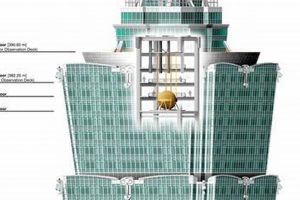
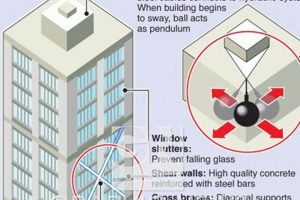
Tuned mass dampers (TMDs) play a vital role in enhancing the ability of skyscrapers to withstand hurricanes. These devices are installed at the top of skyscrapers and are designed to counteract the swaying motion caused by high winds, minimizing structural stress and improving overall stability.
- Principle of Operation:
TMDs consist of a heavy mass suspended within a viscous fluid. The mass is tuned to the natural frequency of the skyscraper, which is the frequency at which the building is most likely to sway in high winds. When the skyscraper begins to sway, the TMD moves in opposition to the building’s motion, absorbing energy from the wind and reducing the amplitude of the swaying.
- Effectiveness:
TMDs have proven to be highly effective in reducing the swaying motion of skyscrapers. For example, the Taipei 101 skyscraper in Taiwan is equipped with a TMD that weighs 660 tons. During a typhoon in 2002, the TMD reduced the building’s sway by up to 40%. This reduction in swaying helped to protect the building from structural damage and ensured the safety of its occupants.
- Applications:
TMDs are increasingly being used in the construction of tall buildings in hurricane-prone areas. In addition to skyscrapers, TMDs have also been installed in other structures, such as bridges and offshore platforms, to improve their resistance to wind-induced vibrations.
In conclusion, tuned mass dampers are an important technology that enhances the ability of skyscrapers to withstand hurricanes. By reducing the swaying motion of the building, TMDs help to minimize structural stress and improve overall stability. This makes skyscrapers safer for occupants and reduces the risk of damage during high winds.
6. Evacuation Plans

Evacuation plans are a critical component of a skyscraper’s ability to withstand hurricanes. Even if a skyscraper is structurally sound and can endure the forces of a hurricane, it is essential to have a plan in place to safely evacuate occupants in the event of an emergency.
Skyscrapers are designed with multiple evacuation routes, including stairwells and designated safe zones. These plans are regularly updated and communicated to tenants and occupants. During a hurricane, building management and emergency responders work together to implement the evacuation plan, ensuring that occupants can leave the building safely and efficiently.
The importance of evacuation plans was highlighted during Hurricane Sandy, which struck New York City in 2012. Many skyscrapers in the city successfully withstood the storm’s powerful winds and flooding, but the lack of a comprehensive evacuation plan in some buildings led to confusion and delays, putting occupants at risk. Since then, there has been a greater emphasis on developing and implementing robust evacuation plans for skyscrapers.
In conclusion, evacuation plans are an essential part of a skyscraper’s ability to withstand hurricanes. By providing clear instructions and designated evacuation routes, these plans help to ensure the safety of occupants during these powerful storms.
7. Hurricane Codes

In areas prone to hurricanes, building codes play a crucial role in ensuring that skyscrapers can withstand these powerful storms. These codes mandate specific design features that enhance the resilience of skyscrapers, making them better equipped to resist hurricane forces and protect occupants.
- Structural Integrity: Hurricane codes require skyscrapers to have robust structural systems that can withstand high winds and lateral forces. This includes reinforced concrete cores, steel frames, and deep foundations that anchor the building firmly in the ground.
- Wind Resistance: Buildings must be designed to minimize wind resistance and prevent excessive swaying. Aerodynamic shapes, wind baffles, and tuned mass dampers are commonly used to reduce wind loads and improve stability.
- Water Resistance: In areas prone to flooding, hurricane codes mandate water-resistant building materials and systems. This includes waterproof membranes, elevated electrical equipment, and floodgates to prevent water damage.
- Emergency Preparedness: Codes require skyscrapers to have comprehensive emergency plans, including evacuation routes, backup power systems, and communication networks. These plans ensure that occupants can safely evacuate and that essential services remain operational during and after a hurricane.
By adhering to hurricane codes, skyscrapers in these areas are better equipped to withstand the forces of hurricanes, protecting occupants and minimizing damage. These codes play a vital role in ensuring the safety and resilience of skyscrapers in hurricane-prone regions.
8. Retrofitting

Retrofitting existing skyscrapers with hurricane-resistant features is a crucial aspect
of enhancing their ability to withstand hurricanes. By incorporating these upgrades, older buildings can be brought up to modern building codes and made more resilient to the forces of these powerful storms.
- Strengthened Windows: Replacing old windows with impact-resistant windows is a key retrofitting measure. These windows are designed to withstand high winds and flying debris, preventing them from shattering and becoming a hazard to occupants.
- Upgraded Foundations: Deepening and reinforcing the foundations of a skyscraper can significantly improve its stability and resistance to wind uplift. This involves extending the foundation below the frost line and adding additional support structures to provide a stronger base for the building.
- Additional Shear Walls: Installing shear walls, which are vertical structural elements that resist lateral forces, can enhance the building’s ability to withstand wind shear. Shear walls distribute wind loads more evenly throughout the structure, reducing the risk of collapse.
- Improved Drainage Systems: Upgrading drainage systems, such as adding sump pumps and installing floodgates, can help prevent water damage during hurricanes. These systems ensure that water is effectively drained away from the building, minimizing the risk of flooding and structural damage.
Retrofitting existing skyscrapers is an important strategy for increasing their resilience to hurricanes. By implementing these upgrades, building owners can improve the safety of occupants, protect the building from damage, and extend its lifespan in hurricane-prone areas.
9. Emergency Response

Emergency response is a crucial aspect of a skyscraper’s ability to withstand hurricanes. Dedicated emergency response teams and equipment play a vital role in managing any damage or disruption caused by these powerful storms, ensuring the safety of occupants and the integrity of the building.
When a hurricane strikes, emergency response teams are responsible for coordinating evacuation procedures, providing medical assistance, and securing the building. They work closely with local emergency responders to assess damage, establish communication channels, and restore essential services.
Skyscrapers are equipped with various emergency equipment, including backup generators, water storage tanks, and communication systems. These resources ensure that occupants have access to power, water, and communication even if the building’s primary systems are damaged. Additionally, many skyscrapers have dedicated safe zones, such as reinforced stairwells and interior rooms, where occupants can shelter during the storm.
The importance of emergency response in hurricane-resistant skyscrapers cannot be overstated. By having dedicated teams and equipment in place, skyscrapers can effectively respond to the challenges posed by hurricanes, minimize damage, and ensure the well-being of occupants.
One notable example of the effectiveness of emergency response in skyscrapers is the World Trade Center in New York City. During Hurricane Sandy in 2012, the World Trade Center’s emergency response team successfully evacuated all occupants and secured the buildings, preventing any major damage or injuries.
Understanding the connection between emergency response and a skyscraper’s ability to withstand hurricanes is essential for architects, engineers, and building managers. By incorporating robust emergency response plans and equipment into the design and management of skyscrapers, they can enhance the resilience of these structures and protect occupants during these powerful storms.
FAQs on “Can Skyscrapers Withstand Hurricanes?”
This section addresses frequently asked questions (FAQs) related to the ability of skyscrapers to withstand hurricanes. These questions aim to provide concise and informative answers to common concerns or misconceptions, offering a deeper understanding of the topic.
Question 1: Are skyscrapers designed to withstand hurricanes?
Answer: Yes, modern skyscrapers are designed and constructed to withstand the forces of hurricanes. They incorporate robust structural systems, wind-resistant features, and hurricane-resistant building materials to ensure the safety of occupants and the integrity of the building during these powerful storms.
Question 2: What are the key structural features that contribute to a skyscraper’s ability to withstand hurricanes?
Answer: Skyscrapers utilize reinforced concrete cores, steel frames, and deep foundations to provide structural strength and stability. These features work together to resist high winds, lateral forces, and uplift forces exerted by hurricanes.
Question 3: Do skyscrapers have special features to reduce wind resistance?
Answer: Yes, skyscrapers employ various wind-resistant features such as aerodynamic shapes, wind baffles, and tuned mass dampers. These features help to channel wind currents, reduce pressure on the building’s facade, and minimize swaying, enhancing the building’s overall stability.
Question 4: How do skyscrapers prevent water damage during hurricanes?
Answer: Skyscrapers incorporate waterproof membranes, elevated electrical equipment, and floodgates to prevent water damage. These measures help to keep the building dry and minimize the risk of flooding and structural damage caused by heavy rain and storm surge.
Question 5: What role do building codes play in ensuring the hurricane resistance of skyscrapers?
Answer: Building codes in hurricane-prone areas mandate specific design features and construction practices to enhance the resilience of skyscrapers to hurricanes. These codes cover aspects such as structural integrity, wind resistance, water resistance, and emergency preparedness.
Question 6: How are existing skyscrapers upgraded to improve their hurricane resistance?
Answer: Existing skyscrapers can undergo retrofitting to enhance their hurricane resistance. This may involve strengthening windows, upgrading foundations, installing additional shear walls, or improving drainage systems. Retrofitting measures help to bring older buildings up to modern building codes and increase their ability to withstand the forces of hurricanes.
In conclusion, understanding the various aspects that contribute to a skyscraper’s ability to withstand hurricanes is crucial for ensuring the safety of occupants and the integrity of these structures during these powerful storms.
Transitioning to the next article section: This article has provided a comprehensive overview of the ability of skyscrapers to withstand hurricanes. In the next section, we will explore the importance of hurricane preparedness and response plans for skyscrapers, examining the measures taken to ensure the well-being of occupants and minimize disruption during these events.
Tips to Enhance Hurricane Resilience of Skyscrapers
Skyscrapers serve as vital structures in urban centers, housing businesses, residents, and critical infrastructure. As hurricane activity intensifies due to climate change, implementing measures to enhance the resilience of these towering structures is paramount. Here are some key tips to strengthen skyscrapers against the destructive forces of hurricanes:
Tip 1: Implement
Robust Structural Systems
Skyscrapers should incorporate sturdy structural systems composed of reinforced concrete cores, steel frames, and deep foundations. These elements provide the necessary strength and stability to withstand high winds, lateral forces, and uplift pressures exerted by hurricanes.
Tip 2: Enhance Wind Resistance
Aerodynamic designs, wind baffles, and tuned mass dampers can significantly reduce wind resistance and minimize swaying. By channeling wind currents and dissipating energy, these features improve the building’s overall stability during hurricanes.
Tip 3: Ensure Water Resistance
Protecting skyscrapers from water damage is crucial. Waterproof membranes, elevated electrical equipment, and floodgates effectively keep water out, preventing structural damage and ensuring the safety of occupants.
Tip 4: Adhere to Hurricane Building Codes
Building codes in hurricane-prone areas provide specific guidelines for the design and construction of skyscrapers. Adhering to these codes ensures that the building meets the necessary standards for hurricane resistance.
Tip 5: Implement Comprehensive Emergency Plans
Emergency response plans are essential for managing hurricane impacts. These plans should include evacuation procedures, medical assistance, and communication protocols to ensure the safety of occupants and minimize disruption.
Summary of Key Takeaways:
- Investing in robust structural systems is crucial for hurricane resilience.
- Incorporating wind-resistant features minimizes structural damage and swaying.
- Preventing water damage protects the building and ensures occupant safety.
- Adhering to building codes guarantees compliance with hurricane-resistant standards.
- Comprehensive emergency plans ensure effective response and recovery during hurricanes.
By implementing these tips, architects, engineers, and building managers can enhance the hurricane resilience of skyscrapers, protecting occupants, preserving infrastructure, and ensuring the continuity of urban life during these powerful storms.
Conclusion
Skyscrapers, with their towering heights and complex structural systems, face the formidable challenge of withstanding the destructive forces of hurricanes. This comprehensive exploration has delved into the intricate details of their resilience, uncovering the ingenious strategies employed to ensure their stability and the safety of their occupants.
Skyscrapers are not merely passive structures; they are testaments to human ingenuity and resilience. Their ability to endure hurricanes is a result of meticulous planning, cutting-edge technology, and a deep understanding of the forces of nature. From robust structural systems to wind-resistant designs and comprehensive emergency plans, every aspect of a skyscraper’s design and construction contributes to its ability to withstand these powerful storms.
As climate change intensifies hurricane activity, the importance of hurricane-resilient skyscrapers becomes increasingly evident. By investing in these resilient structures, we not only protect lives and property but also ensure the continuity of urban life. Skyscrapers serve as beacons of innovation and progress, standing tall as symbols of our ability to overcome adversity and adapt to the challenges of our changing planet.