


Skyscrapers are one of the most iconic and recognizable structures in the world. They are symbols of power, wealth, and ambition, and they can be found in cities all over the globe. But what if you could design your own skyscraper? What would it look like? What features would it have? And what would it say about you?
Designing your own skyscraper is a complex and challenging task, but it can also be incredibly rewarding. It is an opportunity to express your creativity, to make a statement, and to leave a lasting legacy. If you are thinking about designing your own skyscraper, there are a few things you need to keep in mind.
First, you need to decide what you want your skyscraper to be. What is its purpose? Is it going to be a residential building, a commercial building, or a mixed-use development? Once you know what you want your skyscraper to be, you can start to think about its design.
1. Purpose

The purpose of your skyscraper is one of the most important factors to consider when designing it. The purpose of your skyscraper will determine its size, shape, and features. For example, a residential skyscraper will need to have more living spaces than a commercial skyscraper. A commercial skyscraper will need to have more office space than a residential skyscraper. And a mixed-use skyscraper will need to have a combination of living and office space.
Here are some things to consider when determining the purpose of your skyscraper:
- What is the demand for residential, commercial, or mixed-use space in your area?
- What is the zoning in your area? Does it allow for the construction of a skyscraper?
- What is your budget? How much money can you afford to spend on construction?
- What is your timeline? How long do you have to complete construction?
Once you have considered all of these factors, you can start to narrow down your options and choose the purpose of your skyscraper.
2. Height

The height of your skyscraper is one of the most important factors to consider when designing it. The height of your skyscraper will affect its structural integrity, its design, and its construction costs.
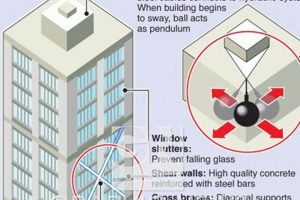
Taller skyscrapers are more difficult to design and build than shorter skyscrapers. This is because taller skyscrapers are more susceptible to wind loads and seismic activity. Taller skyscrapers also require more materials and labor to construct.
The cost of constructing a skyscraper increases exponentially with its height. This is because the taller the skyscraper, the more materials and labor are required to build it. The taller the skyscraper, the more difficult it is to design and build. The taller the skyscraper, the more susceptible it is to wind loads and seismic activity.
When designing your skyscraper, it is important to consider the trade-offs between height, design, and cost. You will need to decide how tall you want your skyscraper to be, and then you will need to design it and build it accordingly.
Here are some things to consider when determining the height of your skyscraper:
- What is the zoning in your area? Does it allow for the construction of a skyscraper of the height you desire?
- What is your budget? How much money can you afford to spend on construction?
- What is your timeline? How long do you have to complete construction?
Once you have considered all of these factors, you can start to narrow down your options and choose the height of your skyscraper.
3. Shape

The shape of your skyscraper is one of the most important design decisions you will make. The shape of your skyscraper will affect its structural integrity, its aesthetic appeal, and its overall functionality.
- Structural integrity: The shape of your skyscraper will affect its ability to withstand wind loads and seismic activity. Taller skyscrapers are more susceptible to wind loads, and skyscrapers with complex shapes are more susceptible to seismic activity.
- Aesthetic appeal: The shape of your skyscraper will also affect its aesthetic appeal. The shape of your skyscraper should be in keeping with the surrounding environment and the overall design of your building.
- Functionality: The shape of your skyscraper will also affect its functionality. For example, a skyscraper with a large footprint will be able to accommodate more tenants than a skyscraper with a small footprint.
When choosing the shape of your skyscraper, it is important to consider all of these factors. You will need to decide what is most important to you: structural integrity, aesthetic appeal, or functionality. You may also need to compromise on one or more of these factors in order to achieve your desired design.
4. Materials

The materials you choose to use for your skyscraper will have a significant impact on its cost, durability, and sustainability. There are a wide variety of materials available, each with its own advantages and disadvantages.
- Cost: The cost of materials is a major factor to consider when designing your skyscraper. Some materials, such as steel and concrete, are relatively inexpensive. Other materials, such as glass and marble, are more expensive.
- Durability: The durability of materials is another important factor to consider. Some materials, such as steel and concrete, are very durable and can withstand harsh weather conditions. Other materials, such as glass and marble, are more fragile and can be easily damaged.
- Sustainability: The sustainability of materials is also an important factor to consider. Some materials, such as recycled steel and glass, are more sustainable than others. Other materials, such as quarried stone and tropical hardwoods, are less sustainable.
When choosing materials for your skyscraper, it is important to weigh the cost, durability, and sustainability of each material. You will also need to consider the overall design of your skyscraper and the specific needs of your tenants.
5. Sustainability

Sustainability is an increasingly important factor to consider when designing any building, and skyscrapers are no except
ion. There are numerous sustainable design features that can be incorporated into skyscrapers to reduce their environmental impact, such as:
- Energy efficiency: Skyscrapers can be designed to be more energy efficient by using energy-efficient lighting, appliances, and HVAC systems. They can also be designed to take advantage of natural light and ventilation.
- Water conservation: Skyscrapers can be designed to conserve water by using low-flow fixtures and rainwater harvesting systems. They can also be designed to recycle wastewater.
- Material sustainability: Skyscrapers can be designed using sustainable materials, such as recycled steel and glass. They can also be designed to be deconstructed and recycled at the end of their lifespan.
- Indoor environmental quality: Skyscrapers can be designed to improve indoor environmental quality by using low-VOC materials and providing access to natural light and ventilation.
By incorporating sustainable design features into your skyscraper, you can reduce its environmental impact and create a healthier and more sustainable building for your tenants.
6. Cost

The cost of designing and building a skyscraper is a crucial factor that needs careful consideration. It directly impacts the feasibility and scale of your project.
- Size: The size of your skyscraper, measured in terms of height and floor area, is a primary determinant of its cost. Larger skyscrapers require more materials, labor, and engineering expertise, leading to higher construction costs.
- Design: The complexity of your skyscraper’s design can significantly influence its cost. Intricate facades, unique shapes, and innovative features all contribute to increased construction expenses.
- Materials: The choice of materials used in the construction of your skyscraper, such as steel, concrete, glass, and marble, impact its overall cost. Premium materials and specialized finishes can elevate the cost.
Understanding the cost implications of size, design, and materials is essential for making informed decisions during the design process of your skyscraper. Careful planning and optimization can help you achieve your desired design while staying within your budget.
7. Location
When designing your own skyscraper, the location you choose will have a major impact on the accessibility and views of your building. Here are a few factors to consider when choosing a location for your skyscraper:
- Accessibility: The accessibility of your skyscraper will be determined by its proximity to public transportation, major roads, and other amenities. If your skyscraper is located in a remote area, it may be difficult for tenants and visitors to access. However, if your skyscraper is located in a central location, it will be more accessible to everyone.
- Views: The views from your skyscraper will be determined by its location and surroundings. If your skyscraper is located on a high hill, it will have panoramic views of the city. However, if your skyscraper is located in a densely populated area, the views may be obstructed by other buildings.
- Zoning: The zoning laws in your chosen location will determine whether or not you are able to build a skyscraper. Some areas have height restrictions or other zoning laws that may prevent you from building a skyscraper.
- Cost: The cost of land can vary significantly depending on the location. If you choose to build your skyscraper in a desirable location, you will likely have to pay more for the land.
By carefully considering all of these factors, you can choose the perfect location for your skyscraper.
8. Zoning

Zoning laws are regulations that govern the use of land and buildings in a specific area. Zoning laws are put in place by local governments to ensure that land is used in a way that is compatible with the surrounding community. Zoning laws can also be used to promote economic development and protect the environment.
When designing your own skyscraper, it is important to make sure that the zoning laws in your chosen location allow for the construction of a skyscraper. If the zoning laws do not allow for the construction of a skyscraper, you will not be able to build your skyscraper in that location. You can check the zoning laws for your chosen location by contacting your local government.
Zoning laws can have a significant impact on the design of your skyscraper. For example, zoning laws may restrict the height of your skyscraper or the materials that you can use to build your skyscraper. It is important to be aware of the zoning laws in your chosen location before you start designing your skyscraper.
9. Permits

Obtaining permits from the local government is a crucial step in the process of designing and constructing your own skyscraper. Permits are required to ensure that your skyscraper meets all safety and building codes. The permitting process can be complex and time-consuming, so it is important to start the process early on in your project.
- Planning and Zoning Permits: Before you can even begin construction, you will need to obtain a planning permit from the local planning department. The planning permit will ensure that your skyscraper is in compliance with the local zoning laws.
- Building Permits: Once you have obtained a planning permit, you will need to obtain a building permit from the local building department. The building permit will authorize you to start construction on your skyscraper.
- Other Permits: In addition to planning and building permits, you may also need to obtain other permits, such as electrical permits, plumbing permits, and fire safety permits. The specific permits you will need will depend on the size and complexity of your skyscraper.
The permitting process can be complex and time-consuming, but it is important to be patient and follow all of the requirements. Obtaining the proper permits will ensure that your skyscraper is safe and compliant with all applicable laws and regulations.
FAQs on Designing Your Own Skyscraper
Designing and constructing a skyscraper is a complex undertaking that requires careful planning and execution. Here are answers to some frequently asked questions that can help guide you through the process:
Question 1: What are the key factors to consider when designing a skyscraper?
Answer: The design of a skyscraper is influenced by several critical factors, including its purpose, height, shape, materials, sustainability features, and cost. Each aspect requires careful consideration to ensure the building’s functionality, structural integrity, aesthetic appeal, and environmental impact.
Question 2: What is the pro
cess for obtaining permits to build a skyscraper?
Answer: The permitting process typically involves obtaining planning and zoning permits to ensure compliance with local regulations. Building permits are also necessary to authorize the commencement of construction. Additional permits, such as electrical, plumbing, and fire safety permits, may be required based on the project’s specific requirements.
Question 3: How can I ensure the sustainability of my skyscraper?
Answer: Incorporating sustainable design features into your skyscraper can significantly reduce its environmental impact. Strategies such as energy efficiency, water conservation, the use of sustainable materials, and improved indoor environmental quality can contribute to a greener and healthier building.
Question 4: What are the cost considerations involved in skyscraper construction?
Answer: The cost of building a skyscraper is influenced by its size, design, materials, and location. Larger skyscrapers with complex designs and premium materials tend to have higher construction costs. Careful planning and optimization can help manage expenses while achieving the desired design.
Question 5: How can I choose the right location for my skyscraper?
Answer: The location of a skyscraper impacts its accessibility, views, and zoning considerations. Factors to consider include proximity to public transportation, major roads, and amenities, as well as the surrounding environment and potential views. Zoning laws should also be reviewed to ensure the feasibility of constructing a skyscraper in the chosen location.
Question 6: What are the key challenges in designing and building a skyscraper?
Answer: Skyscraper design and construction present unique challenges, including structural engineering to withstand wind loads and seismic activity, efficient use of space, sustainability considerations, and the coordination of multiple stakeholders involved in the project.
Designing and building a skyscraper requires a comprehensive understanding of architectural, engineering, and construction principles. By carefully addressing these key factors and overcoming the challenges involved, you can create a remarkable skyscraper that meets your design aspirations and stands as a testament to human ingenuity.
Transition to the next article section: For further guidance on skyscraper design and construction, explore our comprehensive resources on architectural design, engineering principles, and sustainable building practices.
Tips on Designing Your Own Skyscraper
Designing a skyscraper is a complex undertaking that requires careful planning and execution. Here are some valuable tips to guide you through the process:
Tip 1: Define Your Purpose and Context
Clearly establish the intended use of your skyscraper, whether it’s residential, commercial, or mixed-use. Consider the surrounding environment and how your building will interact with the existing urban fabric.
Tip 2: Optimize Structural Integrity
Ensure the structural stability of your skyscraper by employing robust engineering principles. Factors such as wind loads, seismic activity, and material strength should be meticulously considered to maintain the building’s integrity.
Tip 3: Prioritize Energy Efficiency
Incorporate sustainable design strategies to minimize your skyscraper’s environmental impact. Utilize energy-efficient systems, natural lighting, and renewable energy sources to reduce energy consumption and operating costs.
Tip 4: Maximize Space Utilization
Plan the interior layout efficiently to maximize usable space. Consider flexible and adaptable floor plans that can accommodate various tenant needs and optimize the building’s overall functionality.
Tip 5: Enhance Indoor Environmental Quality
Create a healthy and comfortable indoor environment by providing access to natural light, fresh air, and views. Implement measures to control temperature, humidity, and air quality to ensure occupant well-being.
Tip 6: Consider Technological Integration
Incorporate smart technologies to enhance the building’s functionality and occupant experience. Integrate systems for security, energy management, and communication to create a more efficient and convenient skyscraper.
Tip 7: Collaborate with Experts
Engage a team of experienced professionals, including architects, engineers, and contractors, to ensure the successful execution of your skyscraper project. Seek their expertise to navigate technical challenges and optimize design solutions.
Tip 8: Stay Informed and Adaptable
Keep abreast of industry trends, technological advancements, and regulatory changes in skyscraper design and construction. Be prepared to adapt your plans and embrace innovative solutions to meet evolving needs and challenges.
By following these tips, you can lay the foundation for a successful skyscraper project that meets your design aspirations, maximizes functionality, and stands as a testament to your vision.
Conclusion
Designing your own skyscraper is a challenging but rewarding endeavor that requires careful planning, creativity, and collaboration. By considering factors such as purpose, structural integrity, sustainability, space utilization, indoor environmental quality, and technological integration, you can create a skyscraper that meets your unique vision and aspirations.
As you embark on this journey, remember to engage with experts, stay informed about industry advancements, and embrace adaptability. Your skyscraper should not only be a physical structure but also a symbol of innovation, functionality, and your commitment to shaping the urban landscape. By following the guidance and tips outlined in this article, you can design a skyscraper that stands as a testament to your creativity and engineering prowess.