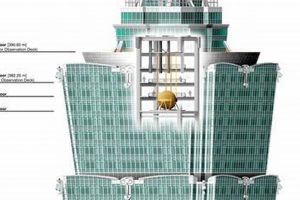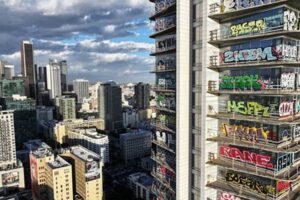



Skyscrapers are defined as tall buildings that have over 40 floors and are taller than 150 meters or 492 feet. Modern skyscrapers are designed with innovative and sustainable architectural styles and are often constructed using advanced materials and technologies. These buildings are pushing the boundaries of design and engineering, creating iconic landmarks that shape skylines around the world.
Cool modern skyscrapers offer several benefits and advantages. They provide energy efficiency, with features such as double-glazed windows and solar panels, reducing energy consumption and lowering the carbon footprint. These buildings often incorporate green spaces, such as rooftop gardens and vertical gardens, contributing to improved air quality and providing a connection to nature in urban environments. Additionally, modern skyscrapers enhance the overall aesthetics of a city, serving as symbols of progress and economic development.
In this article, we will explore the captivating world of cool modern skyscrapers. We will delve into their architectural marvels, sustainable features, and the impact they have on urban landscapes. From the towering Burj Khalifa in Dubai to the eco-friendly One Central Park in Sydney, get ready to discover the incredible world of modern skyscraper design and innovation.
1. Height

The extraordinary height of cool modern skyscrapers is a defining characteristic that sets them apart from other structures. Reaching elevations that touch the clouds, these buildings become iconic landmarks that reshape city skylines. Their height offers several advantages:
- Vertical living: Skyscrapers provide ample vertical space, allowing for high-density living and reducing urban sprawl.
- Panoramic views: The elevated vantage point offers breathtaking panoramic views of the city and its surroundings, adding to the appeal of high-rise living.
- Architectural marvels: The engineering feats involved in constructing such tall structures push the boundaries of design and innovation, showcasing architectural prowess.
- Economic drivers: Skyscrapers often become symbols of economic prosperity and attract businesses and investments to the city.
The height of cool modern skyscrapers not only dominates cityscapes but also influences urban planning, real estate markets, and the overall character of a city. These architectural wonders continue to redefine our perception of vertical living and shape the future of cityscapes worldwide.
2. Design

Design plays a pivotal role in shaping the identity of cool modern skyscrapers. These structures showcase bold and unconventional architectural styles that push the boundaries of design, often breaking away from traditional norms and embracing innovation. The unique design elements of cool modern skyscrapers contribute to their overall appeal and set them apart from more conventional buildings.
The use of unconventional forms, such as curves, angles, and geometric shapes, adds visual interest and dynamism to these skyscrapers. Architects experiment with different materials, such as glass, steel, and concrete, to create striking facades that reflect light and add texture to the building’s exterior. Additionally, cool modern skyscrapers often incorporate sustainable design features, such as green roofs and solar panels, which not only enhance their environmental credentials but also add to their aesthetic appeal.
The design of cool modern skyscrapers is not merely about aesthetics; it also serves functional purposes. The innovative use of space and the incorporation of mixed-use developments create versatile and efficient buildings that cater to a wide range of needs. These skyscrapers often feature sky lobbies, rooftop gardens, and other amenities that enhance the overall experience for occupants and visitors alike.
In conclusion, the design of cool modern skyscrapers is an integral part of their identity and appeal. By pushing the boundaries of architectural design and embracing innovation, these structures become iconic landmarks that redefine city skylines and contribute to the cultural and economic fabric of modern cities.
3. Sustainability

Sustainability has become an integral aspect of modern architectural design, and cool modern skyscrapers are no exception. Incorporating eco-friendly materials and energy-efficient technologies has emerged as a defining characteristic of these structures, reflecting a growing awareness of the environmental impact of buildings and a commitment to reducing their carbon footprint.
The use of eco-friendly materials, such as recycled steel, low-VOC paints, and sustainably sourced wood, contributes to the overall sustainability of cool modern skyscrapers. These materials not only reduce the environmental impact during construction but also promote healthier indoor environments for occupants. Additionally, energy-efficient technologies, such as LED lighting, smart building management systems, and renewable energy sources like solar and wind power, significantly reduce energy consumption and operating costs.
One notable example of a sustainable cool modern skyscraper is the One Central Park building in Sydney, Australia. This iconic residential tower features a unique double-skin facade that acts as a natural ventilation system, reducing the need for air conditioning. The building also incorporates solar panels, rainwater harvesting systems, and a green roof, making it one of the most environmentally friendly skyscrapers in the world.
The integration of sustainability into cool modern skyscrapers is not only beneficial for the environment but also makes good business sense. Green buildings are more attractive to tenants and investors, as they offer lower operating costs, improved occupant health and well-being, and a reduced carbon footprint. Furthermore, sustainable design can contribute to LEED certification or other green building standards, which can enhance a building’s value and appeal.
In conclusion, sustainability is a crucial component of cool modern skyscrapers, reflecting the growing demand for environmentally responsible and energy-efficient buildings. By incorporating eco-friendly materials and energy-efficient technologies, these structures contribute to a more sustainable built environment while providing healthier and more comfortable spaces for occupants. The practical significance of understanding this connection lies in promoting sustainable practices in the construction industry and encouraging the development of innovative and environmentally conscious skyscrapers.
4. Function
Cool modern skyscrapers are not limited to a single function; instead, they embrace diverse purposes, adapting to the needs of modern urban living. These buildings often combine residential, commercial, and even hospitality elements within a single structure. The mixed-use nature of cool modern skyscrapers brings several advantages:
- Convenience: Mixed-use developments offer convenience to occupants and visitors, as they can access various amenities and services within the same building, reducing the need for external travel.
- Community building: By integrating residential, commercial, and public spaces, cool modern skyscrapers foster a sense of community and create vibrant urban environments where people can live, work, and socialize.
- Increased revenue streams: Mixed-use developments provide developers with diversified revenue streams, as they can generate income from multiple sources, such as residential rent, commercial lease, and retail sales.
- Reduced environmental impact: By concentrating different functions within a single building, mixed-use developments reduce urban sprawl and promote compact city living, which can lead to reduced transportation needs and a smaller carbon footprint.
One prominent example of a cool modern skyscraper with a mixed-use function is the Burj Khalifa in Dubai. This iconic building houses residential apartments, commercial offices, a luxury hotel, and various retail and entertainment venues, creating a thriving vertical community within the city.
Another notable example is the Shanghai Tower in China, which features a mix of office spaces, retail, a hotel, and cultural venues. The tower’s unique design, with its spiraling form and open atrium, creates a dynamic and visually striking urban landmark.
The diverse functions of cool modern skyscrapers cater to the evolving needs of urban populations, offering convenience, fostering community, and contributing to the economic and environmental sustainability of cities. Understanding this connection highlights the importance of multifunctional design in modern architecture and its role in creating livable and sustainable urban environments.
5. Amenities

Cool modern skyscrapers are renowned for their luxurious amenities that enhance the occupant experience and contribute to their overall appeal. These amenities, such as rooftop gardens, fitness centers, and sky lobbies, are not merely add-ons but integral components that elevate the functionality and desirability of these buildings.
Rooftop gardens provide a tranquil oasis amidst the urban jungle, offering stunning panoramic views and fresh air. They serve as communal spaces for relaxation, social gatherings, and even urban gardening, fostering a sense of community among residents. Fitness centers, often equipped with state-of-the-art equipment and fitness classes, promote healthy living and well-being, catering to the fitness-conscious urban dweller. Sky lobbies, with their soaring ceilings and often dramatic architectural features, provide an impressive and welcoming entrance to these skyscrapers, creating a lasting first impression.
The presence of these amenities in cool modern skyscrapers is not just a luxury but a reflection of the evolving needs and expectations of modern urbanites. These amenities cater to the desire for convenience, wellness, and exclusivity. They enhance the overall quality of life for occupants, making these skyscrapers not just places to live or work but desirable destinations in their own right.
Understanding the connection between amenities and cool modern skyscrapers is crucial for several reasons. Firstly, it highlights the importance of considering the occupant experience in architectural design. Buildings are no longer just about aesthetics or functionality; they must provide a holistic living or working environment that meets the diverse needs of contemporary individuals. Secondly, it demonstrates the role of amenities in attracting and retaining tenants, particularly in competitive urban markets where differentiation is key.
Furthermore, incorporating amenities into cool modern skyscrapers aligns with the trend towards sustainable and healthy urban living. Rooftop gardens contribute to urban greening and biodiversity, while fitness centers promote active lifestyles. Sky lobbies, with their natural light and often biophilic design elements, create healthier and more inviting indoor environments.
In conclusion, the presence of luxurious amenities in cool modern skyscrapers is not just a marketing ploy but a strategic response to the evolving needs of urban dwellers. These amenities enhance the occupant experience, promote well-being, and contribute to the overall desirability and sustainability of these architectural marvels. Understanding this connection is essential for architects, developers, and urban planners alike, as it informs the design and creation of livable, sustainable, and thriving urban environments.
6. Landmark

Cool modern skyscrapers have emerged not just as architectural wonders but also as iconic landmarks that symbolize progress and economic development. Their unique designs, towering heights, and innovative features make them instantly recognizable and representative of a city’s aspirations and achievements.
- City Identity and Symbolism: Skyscrapers often become synonymous with the cities they reside in, embodying their unique character and identity. The Empire State Building is an iconic symbol of New York City, while the Petronas Towers are closely associated with Kuala Lumpur.
- Economic Prosperity and Growth: Skyscrapers have historically been associated with economic prosperity and growth. Their construction often coincides with periods of rapid urbanization and economic expansion. The development of skyscrapers in cities like Dubai and Shanghai signaled their rise as global financial and business hubs.
- Architectural Innovation and Technological Advancement: Skyscrapers push the boundaries of architectural design and engineering. They showcase innovative construction methods, sustainable materials, and cutting-edge technologies, representing the progress and advancement of human ingenuity. The Burj Khalifa, for instance, is known for its record-breaking height and innovative structural design.
- Tourism and Cultural Attractions: Cool modern skyscrapers have become major tourist attractions in their own right. Their unique designs and observation decks offer visitors breathtaking views of the city and surrounding landscapes. They also house cultural venues, art installations, and fine-dining restaurants, making them vibrant cultural hubs.
The connection between cool modern skyscrapers and their status as landmarks of progress and economic development is undeniable. These architectural marvels not only redefine skylines but also serve as symbols of ambition, innovation, and prosperity. Understanding this connection highlights the role of architecture in shaping urban identities, fostering economic growth, and showcasing human achievement.
7. Urban impact

Cool modern skyscrapers have a profound urban impact, transforming cityscapes, creating vibrant urban environments, and stimulating economic growth. Their presence reshapes skylines, adding iconic landmarks that become symbols of progress and prosperity.
Skyscrapers contribute to the creation of vibrant urban environments by attracting diverse populations and activities. Their mixed-use designs often incorporate residential, commercial, retail, and cultural spaces, fostering a sense of community and offering a wide range of amenities within a single development. Rooftop gardens, observation decks, and public plazas create accessible green spaces and gathering places, enhancing the quality of life for city dwellers.
Furthermore, cool modern skyscrapers serve as economic catalysts, attracting businesses, investments, and tourism. Their iconic status and visibility make them desirable locations for corporate headquarters and international companies, boosting the city’s economic profile and competitiveness. The construction and operation of skyscrapers generate employment opportunities in various sectors, including architecture, engineering, construction, and hospitality.
Understanding the connection between cool modern skyscrapers and their urban impact is crucial for urban planners, architects, and policymakers. It highlights the importance of considering the broader effects of skyscraper development on the city’s overall livability, sustainability, and economic vitality. This understanding can guide decision-making processes to ensure that skyscrapers contribute positively to the urban fabric and enhance the well-being of city residents.
FAQs on Cool Modern Skyscrapers
This section addresses frequently asked questions about cool modern skyscrapers, providing informative answers to common concerns and misconceptions.
Question 1: What are the main characteristics of cool modern skyscrapers?
Cool modern skyscrapers are characterized by their exceptional height, bold architectural designs, emphasis on sustainability, diverse functions, luxurious amenities, iconic status, and transformative urban impact.
Question 2: How do cool modern skyscrapers contribute to sustainability?
These skyscrapers incorporate eco-friendly materials, energy-efficient technologies, and sustainable design strategies to reduce their environmental impact, promote occupant well-being, and contribute to green building certifications.
Question 3: What are the benefits of mixed-use developments in cool modern skyscrapers?
Mixed-use designs combine residential, commercial, and public spaces within a single building, offering convenience, fostering community, increasing revenue streams, and reducing urban sprawl.
Question 4: How do cool modern skyscrapers enhance the quality of life for city dwellers?
These skyscrapers provide luxurious amenities such as rooftop gardens, fitness centers, and sky lobbies, creating comfortable and enjoyable living and working environments. They also contribute to vibrant urban environments with accessible green spaces, cultural venues, and retail options.
Question 5: What is the economic impact of cool modern skyscrapers?
Skyscrapers serve as economic catalysts, attracting businesses, investments, and tourism. Their iconic status and visibility make them desirable locations for corporate headquarters, boosting the city’s economic profile and competitiveness. The construction and operation of these buildings generate employment opportunities in various sectors.
Question 6: How can cool modern skyscrapers be integrated harmoniously into urban environments?
Careful urban planning and design are crucial to ensure that skyscrapers complement their surroundings, respect historical contexts, and contribute positively to the overall livability and sustainability of the city.
In summary, cool modern skyscrapers are not just architectural marvels but also symbols of progress, innovation, and urban transformation. Their unique designs, sustainable features, diverse functions, luxurious amenities, and transformative urban impact make them integral to the identity and vitality of modern cities.
To delve deeper into the world of cool modern skyscrapers and explore specific examples and case studies, continue reading the following article sections.
Cool Modern Skyscrapers
Cool modern skyscrapers are architectural marvels that redefine city skylines and enhance urban living. Here are several tips to consider when designing and constructing these iconic structures:
Tip 1: Embrace Sustainable Design Principles
Incorporate eco-friendly materials, energy-efficient technologies, and sustainable design strategies to reduce environmental impact and promote occupant well-being. Consider green building certifications to showcase the building’s commitment to sustainability.
Tip 2: Focus on Mixed-Use Functionality
Combine residential, commercial, and public spaces within a single building to create vibrant and convenient urban environments. Mixed-use developments offer a range of amenities, reduce urban sprawl, and cater to diverse needs.
Tip 3: Prioritize Amenity Offerings
Provide luxurious amenities such as rooftop gardens, fitness centers, and sky lobbies to enhance the occupant experience and create comfortable and enjoyable living and working environments.
Tip 4: Strive for Architectural Innovation
Push the boundaries of architectural design by experimenting with bold forms, unconventional materials, and cutting-edge technologies. Create visually striking and iconic structures that become landmarks.
Tip 5: Consider Urban Context and Impact
Integrate skyscrapers harmoniously into urban environments by respecting historical contexts and surrounding buildings. Conduct thorough urban planning and design studies to ensure positive contributions to the city’s livability and sustainability.
Tip 6: Utilize Advanced Construction Technologies
Employ innovative construction methods, such as modular construction and prefabrication, to enhance efficiency, reduce waste, and improve safety during skyscraper construction.
Tip 7: Incorporate Smart Building Features
Integrate smart building technologies, including automated systems, data analytics, and IoT devices, to optimize building operations, enhance occupant comfort, and improve sustainability.
Tip 8: Seek Collaboration and Expertise
Foster collaboration among architects, engineers, sustainability experts, and urban planners to ensure a comprehensive and innovative approach to cool modern skyscraper design and construction.
By following these tips, architects and developers can create cool modern skyscrapers that are not only visually stunning but also sustainable, functional, and transformative additions to the urban landscape.
Conclusion
Cool modern skyscrapers have reshaped our cities and redefined the boundaries of architectural innovation. They stand as symbols of progress, sustainability, and urban transformation, offering unparalleled living, working, and leisure experiences. Their bold designs, sustainable features, diverse functions, luxurious amenities, and transformative urban impact make them integral to the identity and vitality of modern cities.
As we look towards the future, cool modern skyscrapers will continue to play a pivotal role in shaping our urban landscapes. Their innovative designs and commitment to sustainability will s
et new standards for green building practices. Mixed-use developments will create vibrant and inclusive communities, while advanced technologies will enhance occupant comfort and building efficiency. By embracing these principles, we can create cool modern skyscrapers that are not just architectural marvels but also beacons of sustainable and livable urban environments.