


A double skyscraper, also known as a twin tower, is a pair of skyscrapers that are built side by side and have the same height and design. Double skyscrapers are often built to create a symmetrical and visually appealing skyline, and they can also be used to create a sense of grandeur and power.
One of the most famous examples of a double skyscraper is the Petronas Towers in Kuala Lumpur, Malaysia. The Petronas Towers were completed in 1998 and were the tallest buildings in the world until 2004. The towers are 452 meters (1,483 feet) tall and have 88 stories each. The Petronas Towers are a major tourist attraction and are considered to be one of the most iconic buildings in the world.
Double skyscrapers can also be found in other major cities around the world, including New York City, Chicago, and London. In New York City, the World Trade Center towers were a pair of double skyscrapers that were destroyed in the terrorist attacks of September 11, 2001. The new World Trade Center complex includes a new pair of double skyscrapers, the One World Trade Center and the Four World Trade Center.
Double skyscrapers are a popular choice for developers because they can be used to create a variety of different effects. Double skyscrapers can be used to create a sense of symmetry and balance, or they can be used to create a sense of grandeur and power. Double skyscrapers can also be used to create a variety of different architectural effects, such as the illusion of height or the illusion of depth.
1. Height

Height is a defining characteristic of double skyscrapers, contributing significantly to their iconic status and architectural impact. These towering structures reach towards the sky, pushing the boundaries of engineering and design.
- Vertical Dominance: Double skyscrapers dominate skylines, creating a sense of vertical dominance and urban ambition. Their height allows them to be visible from afar, becoming landmarks and symbols of the cities they reside in.
- Engineering Prowess: Building double skyscrapers to such great heights requires advanced engineering techniques and innovative materials. Architects and engineers must carefully consider factors such as wind resistance, seismic stability, and weight distribution to ensure the structural integrity of these towering giants.
- Architectural Expression: The height of double skyscrapers provides a canvas for architectural expression. Architects can use the vertical space to create unique and visually striking designs, experimenting with different forms, facades, and lighting effects.
- Economic Power: In many cases, the height of double skyscrapers reflects the economic power and prosperity of the cities they are built in. Taller buildings often symbolize a city’s ambition, technological advancements, and global competitiveness.
The height of double skyscrapers is not just a physical attribute but also a representation of architectural prowess, engineering ingenuity, and urban ambition. These towering structures continue to redefine skylines around the world, pushing the boundaries of design and engineering to new heights.
2. Design

Design plays a pivotal role in the conception and realization of double skyscrapers, shaping their visual identity, functionality, and overall impact. Here are several key facets that explore the connection between design and double skyscrapers:
- Architectural Harmony: Double skyscrapers often exhibit a high degree of architectural harmony, with their twin towers mirroring each other in terms of height, shape, and facade design. This symmetry creates a sense of balance and visual coherence, enhancing the overall aesthetic appeal of the structures.
- Vertical Rhythm: The design of double skyscrapers often incorporates a sense of vertical rhythm, using repetitive elements or patterns to create a visually engaging effect. This rhythm can be achieved through the use of windows, balconies, or other architectural features, and it helps to emphasize the height and verticality of the towers.
- Facade Treatment: The facade design of double skyscrapers is crucial in determining their overall appearance. Architects employ various materials, textures, and lighting techniques to create facades that are both aesthetically pleasing and functional. The facades may feature glass curtain walls, stone cladding, or intricate metalwork, reflecting the architectural style and the desired visual impact.
- Symbolic Expression: The design of double skyscrapers can also carry symbolic meanings, reflecting the values and aspirations of the cities or institutions they represent. For example, the Petronas Towers in Kuala Lumpur incorporate traditional Islamic motifs in their design, while the World Trade Center in New York City evokes a sense of resilience and strength.
In conclusion, the design of double skyscrapers is a complex and multifaceted endeavor that involves careful consideration of architectural harmony, vertical rhythm, facade treatment, and symbolic expression. These design elements come together to create iconic structures that are not only visually striking but also reflective of the cultural and architectural context in which they are built.
3. Symmetry

Symmetry plays a crucial role in the design and impact of double skyscrapers. The mirrored or repeated elements in these structures create a sense of balance, harmony, and visual appeal. Here are several key facets that explore the connection between symmetry and double skyscrapers:
- Aesthetic Balance: Symmetry in double skyscrapers creates a sense of aesthetic balance and visual coherence. The mirrored towers, identical facades, and repetitive patterns work together to produce a harmonious and pleasing effect, enhancing the overall beauty and appeal of the structures.
- Emphasis on Verticality: Symmetry in double skyscrapers emphasizes their height and verticality. The mirrored towers create a strong vertical axis, drawing the eye upward and accentuating the soaring nature of these structures. Thises the architectural ambition and the desire to reach towards the sky.
- Landmark Recognition: The symmetry of double skyscrapers makes them instantly recognizable and iconic. The mirrored towers become a defining feature of the skyline, creating a visual landmark that is easily identifiable and memorable. This recognition value contributes to the overall impact and cultural significance of these structures.
- Cultural Symbolism: In some cases, the symmetry of double skyscrapers carries cult
ural or symbolic meanings. For example, the Petronas Towers in Kuala Lumpur incorporate traditional Islamic motifs in their design, reflecting the cultural heritage of Malaysia. The symmetry in these towers thus serves as a symbol of cultural identity and national pride.
In conclusion, symmetry is an essential element in the design of double skyscrapers, contributing to their aesthetic appeal, emphasis on verticality, landmark recognition, and cultural symbolism. These mirrored or repeated elements create a sense of balance, harmony, and visual coherence, enhancing the overall impact and significance of these iconic structures.
4. Grandeur

In the realm of architecture, “grandeur” refers to a sense of imposing size, magnificence, and visual impact. Double skyscrapers, with their towering heights and commanding presence, embody this concept in a remarkable way. Here are several facets that explore the connection between grandeur and double skyscrapers:
- Monumental Scale: Double skyscrapers are characterized by their monumental scale, dwarfing other buildings around them. Their sheer size creates an overwhelming sense of awe and grandeur, making them landmarks that define the skyline.
- Architectural Details: The architectural details of double skyscrapers often contribute to their grandeur. Intricate facades, soaring spires, and elaborate ornamentation add visual interest and enhance the overall impact of these structures.
- Height as a Symbol of Power: Throughout history, tall buildings have been associated with power and prestige. Double skyscrapers, with their exceptional height, convey a sense of dominance and ambition, becoming symbols of economic and political strength.
- Urban Dominance: Double skyscrapers often dominate the urban landscape, becoming focal points that draw attention and admiration. Their towering presence commands respect and creates a sense of place, shaping the identity and character of the city.
In conclusion, double skyscrapers embody grandeur through their monumental scale, architectural details, symbolic height, and urban dominance. These towering structures transcend their functional purpose, becoming iconic landmarks that inspire awe and admiration, leaving a lasting impression on the urban fabric and the collective imagination.
5. Landmark

Double skyscrapers, with their towering heights and iconic designs, often become landmarks that define the skylines of cities. Their unique and recognizable forms make them focal points, attracting attention and admiration from both residents and visitors alike. The connection between double skyscrapers and landmarks is rooted in several key factors:
1. Architectural Prominence: Double skyscrapers are architectural marvels that stand out from their surroundings due to their sheer size and grandeur. Their height and scale create a commanding presence, making them impossible to ignore. This architectural prominence contributes to their landmark status, as they become instantly recognizable symbols of the cities they inhabit.
2. Design and Aesthetics: Double skyscrapers are often designed with striking and visually appealing aesthetics. Their facades, spires, and other architectural details are carefully crafted to create a memorable impression. This attention to design elevates them beyond mere buildings, transforming them into works of art that attract admiration and become ingrained in the collective memory of the city.
3. Cultural and Historical Significance: Double skyscrapers can embody the cultural and historical identity of a city. They may incorporate traditional architectural elements or reflect the aspirations and values of the community. Over time, these structures become symbols of the city’s heritage and landmarks that evoke a sense of pride and belonging.
4. Economic and Political Power: Double skyscrapers can also symbolize economic and political power. Their construction often requires significant investment and resources, indicating the economic strength of the city or the ambition of its leaders. These structures may become associated with the city’s financial district or government buildings, reinforcing their landmark status.
5. Tourism and Recreation: Double skyscrapers can be major tourist attractions, drawing visitors from around the world to admire their architectural beauty and experience the panoramic views they offer. Observation decks and public spaces within these structures provide unique vantage points, making them popular destinations for locals and tourists alike.
In conclusion, the connection between double skyscrapers and landmarks is multifaceted, encompassing architectural prominence, design and aesthetics, cultural and historical significance, economic and political power, and tourism potential. These iconic structures transcend their functional purpose, becoming symbols of the cities they inhabit and enduring landmarks that shape the urban landscape for generations to come.
6. Engineering

Engineering plays a crucial role in the realization of double skyscrapers, as it involves the application of scientific and technical principles to design, construct, and maintain these towering structures. The engineering challenges associated with double skyscrapers are immense, requiring innovative solutions and cutting-edge technologies to ensure their stability, safety, and functionality.
One of the primary engineering considerations for double skyscrapers is structural integrity. The immense height and weight of these structures demand robust structural systems that can withstand gravitational forces, wind loads, and seismic activity. Engineers employ advanced materials such as reinforced concrete, structural steel, and composite materials to create load-bearing frames and foundations that can support the enormous weight of the towers.
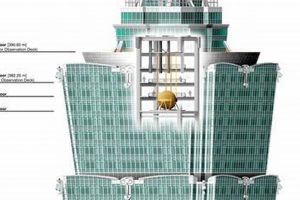
Another critical engineering aspect is wind engineering. Double skyscrapers are particularly susceptible to wind-induced vibrations due to their slenderness and height. Engineers conduct extensive wind tunnel testing and employ aerodynamic design strategies to minimize these vibrations and ensure the structural stability of the towers. They may incorporate features such as tuned mass dampers or active control systems to mitigate wind-induced motion.
Furthermore, engineering plays a vital role in the design of efficient and sustainable double skyscrapers. Engineers optimize the building envelope to reduce energy consumption and incorporate sustainable features such as rainwater harvesting systems, solar panels, and green roofs. They also consider factors such as daylighting and natural ventilation to create comfortable and energy-efficient indoor environments.
In conclusion, engineering is an indispensable aspect of double skyscrapers, driving innovative design solutions and ensuring their structural integrity, safety, and sustainability. The practical significance of this understanding lies in the ability to create towering structures that push the boundaries of architectural design while prioritizing safety and functionality.
7. Symbolism

Double skyscrapers, with their towering heights and iconic designs, often transcend their functional purpose to become symbols of cultural identity, economic power, and national pride. The connection between “Symbolism” and “double skyscraper” is deeply rooted in several key aspects:
Cultural Heritage and Identity: Double skyscrapers can embody the cultural heritage and identity of a city or nation. For example, the Petronas Towers in Kuala Lumpur incorporate traditional Islamic motifs in their design, reflecting Malaysia’s cultural heritage. These structures become symbols of the nation’s identity and cultural values.
Economic Strength and Prosperity: Double skyscrapers can also symbolize economic strength and prosperity. They are often associated with financial districts and major corporations, representing the economic power and ambition of the city or region. The skyscrapers of Manhattan in New York City are iconic symbols of global finance and economic dominance.
National Pride and Prestige: Double skyscrapers can be a source of national pride and prestige. They represent the technological advancements and architectural prowess of a nation. The Burj Khalifa in Dubai, the tallest building in the world, is a symbol of the United Arab Emirates’ ambition and economic growth.
Political and Social Statements: Double skyscrapers can also be used to make political or social statements. The World Trade Center in New York City, before its destruction in the 9/11 attacks, was seen as a symbol of American economic and political power. The rebuilding of the World Trade Center complex, including the One World Trade Center, serves as a symbol of resilience and remembrance.
Practical Significance: Understanding the connection between “Symbolism” and “double skyscraper” is important for several reasons. It helps us appreciate the cultural, economic, and political significance of these structures, which goes beyond their architectural and functional aspects.
It also informs urban planning and architectural design decisions, as the symbolic meaning of double skyscrapers can influence their placement and design within the urban landscape.
Furthermore, recognizing the symbolic value of double skyscrapers can contribute to preserving and restoring these iconic structures, as they hold cultural and historical importance for communities and nations.
Double Skyscraper FAQs
This section addresses frequently asked questions (FAQs) about double skyscrapers, providing concise and informative answers to common concerns or misconceptions.
Question 1: What is the main purpose of double skyscrapers?
Double skyscrapers serve multiple purposes. They can be used to create a symmetrical and visually appealing skyline, enhance the sense of grandeur and power, provide ample office or residential space, and become iconic landmarks that symbolize cultural identity or economic strength.
Question 2: How do double skyscrapers differ from single skyscrapers?
Double skyscrapers are characterized by their twin towers that are built side by side with the same height and design, while single skyscrapers consist of a single tower.
Question 3: What are the engineering challenges associated with double skyscrapers?
Double skyscrapers present significant engineering challenges, including ensuring structural stability to withstand gravitational forces, wind loads, and seismic activity, minimizing wind-induced vibrations, and optimizing the building envelope for energy efficiency and sustainability.
Question 4: What are some notable examples of double skyscrapers?
Iconic double skyscrapers include the Petronas Towers in Kuala Lumpur, the World Trade Center in New York City, the Emirates Towers in Dubai, and the Taipei 101 in Taiwan.
Question 5: How do double skyscrapers impact the urban environment?
Double skyscrapers can significantly impact the urban environment, altering the skyline, creating microclimates, affecting wind patterns, and potentially contributing to increased energy consumption.
Question 6: What is the future of double skyscrapers?
The future of double skyscrapers remains promising, with ongoing advancements in architectural design, engineering techniques, and sustainable technologies. Double skyscrapers will likely continue to be prominent features in major cities worldwide, symbolizing innovation, economic growth, and architectural prowess.
In conclusion, double skyscrapers are unique and captivating structures that combine architectural beauty with engineering ingenuity. They serve various purposes, pose engineering challenges, and impact the urban environment in diverse ways. As technology continues to evolve, double skyscrapers will undoubtedly continue to grace skylines around the world, representing the pinnacle of human ambition and architectural achievement.
Transition to the next article section:
Explore the Architectural Marvels of Double Skyscrapers
Tips for Double Skyscrapers
Double skyscrapers, with their towering heights and iconic designs, present unique opportunities and challenges in the realm of architecture and engineering. Here are some essential tips to consider when designing and constructing these remarkable structures:
Tip 1: Prioritize Structural Integrity
Double skyscrapers require robust structural systems to withstand gravitational forces, wind loads, and seismic activity. Employ advanced materials and innovative engineering techniques to ensure the stability and safety of the structures.
Tip 2: Optimize Wind Resistance
Conduct thorough wind tunnel testing and incorporate aerodynamic design strategies to minimize wind-induced vibrations. Consider features like tuned mass dampers or active control systems to mitigate structural sway.
Tip 3: Enhance Sustainability
Incorporate sustainable design principles to reduce energy consumption and environmental impact. Optimize the building envelope, utilize renewable energy sources, and implement efficient water management systems.
Tip 4: Consider Cultural Context
Double skyscrapers can embody the cultural heritage and identity of a city or nation. Incorporate traditional architectural elements or design features that reflect the local culture and values.
Tip 5: Create a Memorable Silhouette
Design the towers with distinctive silhouettes that are easily recognizable from afar. Consider the interplay of height, shape, and facade details to create a visually striking landmark.
Tip 6: Ensure Accessibility and Inclusivity
Provide accessible entrances, inclusive amenities, and well-connected transportation options to make double skyscrapers welcoming and equitable for all users.
Tip 7: Foster a Sense of Community
Create public spaces, green areas, and community amenities within or around double skyscrapers to promote social interaction and foster a sense of belonging.
Tip 8: Leverage Technological Advancements
Stay abreast of the latest technologies in materials, construction methods, and building management systems to enhance the efficiency, sustainability, and overall performance of double skyscrapers.
By following these tips, architects, engineers, and urban planners can create double skyscrapers that are no
t only visually stunning but also structurally sound, environmentally responsible, and socially inclusive.
Key Takeaways:
- Prioritize structural integrity and wind resistance for safety and stability.
- Incorporate sustainable design principles to reduce environmental impact.
- Respect and reflect the cultural context in the design.
- Strive for a memorable and iconic silhouette.
- Ensure accessibility, inclusivity, and community well-being.
- Embrace technological advancements for efficiency and innovation.
As double skyscrapers continue to redefine skylines around the world, these tips will serve as valuable guidelines foring architectural marvels that embody the highest standards of design, engineering, and social responsibility.
Conclusion
Double skyscrapers, with their towering heights and awe-inspiring designs, stand as testaments to human ingenuity, architectural prowess, and urban ambition. Throughout this exploration, we have delved into the various aspects that define these iconic structures, from their engineering marvels to their cultural significance.
As we look towards the future, double skyscrapers will undoubtedly continue to grace the skylines of major cities worldwide, symbolizing innovation, economic growth, and architectural achievement. They serve as reminders of our ability to push the boundaries of design and engineering, while also providing valuable lessons in sustainability and urban planning.
Embracing the tips and considerations outlined in this article will enable architects, engineers, and urban planners to create double skyscrapers that are not only visually stunning but also structurally sound, environmentally responsible, and socially inclusive. By doing so, we can ensure that these architectural marvels continue to inspire future generations and enrich the urban fabric of our cities for years to come.