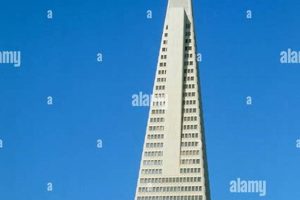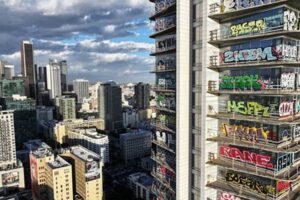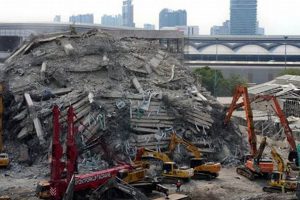



Curved skyscrapers are high-rise buildings with an outward curvature in their facade or structure, resulting in a non-linear building envelope. They have gained prominence in contemporary architecture due to their aesthetic appeal, structural advantages, and potential for sustainable design.
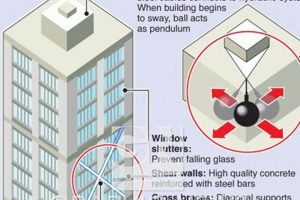
The curved form of these buildings offers several benefits. It enhances structural stability by distributing wind loads more evenly across the facade, reducing the risk of swaying and improving resistance to earthquakes. Additionally, curved skyscrapers can maximize natural light penetration, creating brighter and more energy-efficient interiors. The non-linear shape also allows for creative and dynamic architectural designs, breaking away from traditional rectilinear forms.
Historically, curved skyscrapers emerged in the early 20th century with the advent of reinforced concrete construction. Notable examples include the Waldorf Astoria Hotel in New York City (1931) and the Chrysler Building (1930), which feature setbacks and curves in their facades. In recent years, advancements in engineering and design software have enabled the construction of even more daring curved skyscrapers, pushing the boundaries of architectural expression.
1. Structural Stability

In the realm of architecture, structural stability is paramount, ensuring that buildings can withstand various forces and maintain their integrity. Curved skyscrapers, with their non-linear forms, present unique challenges and opportunities in achieving structural stability. Here are key facets that explore the connection between structural stability and curved skyscrapers:
- Optimized Load Distribution
The curved shape of these buildings helps distribute wind loads more evenly across the facade, reducing the risk of swaying and improving resistance to lateral forces. This is particularly important for tall and slender structures, where wind loads can cause significant stress on the building’s frame.
- Enhanced Seismic Performance
Curved skyscrapers can exhibit improved seismic performance compared to traditional rectilinear buildings. The curved form provides a more continuous load path for seismic forces, reducing the risk of localized failures and increasing the building’s overall stability during earthquakes.
- Efficient Use of Materials
The non-linear geometry of curved skyscrapers allows for a more efficient use of building materials. By optimizing the shape and distribution of structural elements, architects can reduce the amount of materials required while maintaining the necessary strength and stability.
- Innovative Structural Systems
Curved skyscrapers often require innovative structural systems to achieve their unique forms. These systems may include diagrid structures, exoskeletons, and tensioned cables, which provide additional support and stability to the building.
In conclusion, the pursuit of structural stability in curved skyscrapers has led to advancements in architectural design and engineering. By understanding the interplay between curved forms and structural performance, architects can create buildings that are not only visually striking but also safe and resilient.
2. Enhanced Lighting

Curved skyscrapers, with their non-linear forms, offer unique opportunities to optimize natural lighting and reduce energy consumption. Here are key facets that explore the connection between enhanced lighting and curved skyscrapers:
- Maximized Daylight Penetration
The curved shape of these buildings allows for more effective penetration of natural light into interior spaces. By maximizing the surface area exposed to daylight, curved skyscrapers can reduce the reliance on artificial lighting, leading to significant energy savings.
- Reduced Glare and Shadows
The non-linear geometry of curved skyscrapers helps glare and shadows, creating a more comfortable and visually appealing interior environment. The curved facade reflects and redirects sunlight, reducing the harshness of direct sunlight and minimizing shadows.
- Improved Occupant Well-being
Natural light has been proven to have positive effects on human well-being. By providing ample natural lighting, curved skyscrapers can enhance occupant comfort, reduce eye strain, and promote a sense of well-being.
- Sustainable Design
The energy-efficient nature of curved skyscrapers contributes to sustainable design practices. By maximizing natural lighting and reducing the need for artificial lighting, these buildings can lower their overall energy consumption and carbon footprint.
In conclusion, the enhanced lighting capabilities of curved skyscrapers offer a compelling blend of aesthetic appeal and environmental sustainability. By harnessing the power of natural light, these buildings create comfortable and energy-efficient spaces that promote occupant well-being and contribute to a more sustainable built environment.
3. Wind Resistance

In the realm of high-rise architecture, wind resistance is a critical factor influencing the design and structural integrity of buildings. Curved skyscrapers, with their non-linear forms, present unique challenges and opportunities in achieving wind resistance.
- Optimized Aerodynamic Shape
Curved skyscrapers can be designed with aerodynamic shapes that minimize wind resistance. By streamlining the building’s form and reducing sharp edges, architects can reduce the force exerted by wind on the building.
- Enhanced Structural Stability
The curved shape of these buildings provides enhanced structural stability, which is crucial for resisting wind loads. The non-linear geometry helps distribute wind forces more evenly across the facade, reducing the risk of swaying and improving the building’s overall resilience.
- Reduced Vortex Shedding
Curved skyscrapers can be designed to mitigate vortex shedding, a phenomenon that can cause vibrations and instability in tall buildings. By altering the building’s shape and incorporating features such as helical fins, architects can reduce the formation of vortices and improve wind resistance.
- Innovative Facade Systems
Advanced facade systems play a crucial role in wind resistance for curved skyscrapers. These systems, such as double-skin facades and perforated panels, can help dissipate wind energy and red
uce the pressure on the building’s structure.
In conclusion, the pursuit of wind resistance in curved skyscrapers has led to advancements in architectural design and engineering. By understanding the complex relationship between wind forces and curved forms, architects can create high-rise buildings that are not only visually striking but also safe and resilient in the face of strong winds.
4. Creative Designs

Curved skyscrapers, with their non-linear forms, offer a unique canvas for architectural creativity and innovation. The curved shape breaks away from traditional rectilinear designs, allowing architects to explore new possibilities in form and function.
One of the key advantages of curved skyscrapers is the freedom they provide for creative expression. The non-linear geometry enables architects to create dynamic and visually striking buildings that push the boundaries of architectural design. Curved facades can create undulating patterns, flowing lines, and organic shapes that captivate the eye and create a sense of movement and fluidity.
Beyond aesthetics, the creative designs of curved skyscrapers can also serve functional purposes. For instance, the curved facade of the Burj Khalifa in Dubai helps to reduce wind resistance, making it one of the tallest and most structurally stable buildings in the world. Similarly, the curved roof of the Sydney Opera House in Australia not only creates a visually iconic landmark but also provides excellent acoustics for performances.
In conclusion, creative designs are an integral part of curved skyscrapers, enabling architects to explore new frontiers in architectural expression while also addressing functional requirements. These designs not only enhance the aesthetic appeal of buildings but also contribute to their structural performance and overall functionality.
5. Energy Efficiency

In the realm of architecture, energy efficiency has become paramount, and curved skyscrapers present unique opportunities to optimize energy consumption. Here are key facets that explore the connection between energy efficiency and curved skyscrapers:
- Reduced Surface Area
The curved shape of these buildings can reduce the overall surface area compared to traditional rectilinear buildings. A smaller surface area means less heat gain and heat loss, leading to lower energy consumption for heating and cooling.
- Enhanced Natural Lighting
Curved skyscrapers can be designed to maximize natural lighting, reducing the need for artificial lighting during daytime hours. This can significantly reduce energy consumption for lighting.
- Improved Thermal Insulation
The curved facade of these buildings can act as a thermal buffer, reducing heat transfer between the interior and exterior. This can improve the building’s insulation and reduce energy consumption for heating and cooling.
- Renewable Energy Integration
The curved surfaces of these buildings can be utilized for integrating renewable energy sources such as solar panels. This can generate clean energy and further reduce the building’s reliance on fossil fuels.
By embracing these energy-efficient design strategies, curved skyscrapers can contribute to sustainable urban development and reduce their environmental impact while creating comfortable and cost-effective living and working spaces.
6. Historical Significance

Curved skyscrapers have a rich historical significance, tracing their origins back to the early 20th century. One of the earliest examples of a curved skyscraper is the Waldorf Astoria Hotel in New York City, completed in 1931. Its iconic Art Deco design featured a curved facade that broke away from the traditional rectilinear forms of the time.
In the 1950s and 1960s, curved skyscrapers gained prominence as architects explored new Mglichkeiten to create visually striking and structurally sound buildings. Notable examples from this period include the TWA Flight Center at JFK Airport in New York City and the Pan Am Building in Manhattan, both designed by Eero Saarinen. These buildings showcased the potential of curved forms to enhance both the aesthetics and functionality of skyscrapers.
The historical significance of curved skyscrapers lies in their role as architectural landmarks and technological advancements. They represent the evolution of architectural design, pushing the boundaries of what was considered possible in terms of form and structure. By embracing curved forms, architects were able to create buildings that were not only visually appealing but also structurally efficient and responsive to the needs of modern cities.
7. Engineering Advancements

Curved skyscrapers are architectural marvels that exemplify the convergence of creativity and engineering ingenuity. Their non-linear forms pose unique structural challenges that require innovative engineering solutions. These advancements have been instrumental in shaping the design and construction of curved skyscrapers, pushing the boundaries of what is architecturally feasible.
One of the critical engineering advancements that has enabled the realization of curved skyscrapers is the development of advanced structural systems. These systems, such as diagrid structures and exoskeletons, provide the necessary strength and stability to support the curved facades and complex geometries of these buildings. For instance, the Burj Khalifa in Dubai utilizes a diagrid structural system that distributes wind loads more efficiently, allowing it to reach record-breaking heights.
Another significant engineering advancement is the use of computer-aided design (CAD) and building information modeling (BIM) software. These tools allow architects and engineers to simulate and analyze the behavior of curved skyscrapers under various load conditions. This enables them to optimize the structural design, ensuring that the buildings can withstand the forces of wind, earthquakes, and other environmental factors.
The practical significance of understanding the connection between engineering advancements and curved skyscrapers lies in the ability to design and construct buildings that are not only visually stunning but also structurally sound and safe. By embracing these advancements, architects and engineers can create iconic landmarks that redefine the skylines of cities worldwide.
8. Architectural Expression
In the realm of architecture, curved skyscrapers stand as testaments to the power of architectural expression. Their non-linear forms transcend the conventional rectilinear
designs, allowing architects to explore new possibilities in form, structure, and aesthetics. This article delves into the multifaceted connection between architectural expression and curved skyscrapers, highlighting key facets that shape the identity and impact of these iconic structures.
- Artistic Innovation
Curved skyscrapers provide a canvas for architectural innovation, breaking away from traditional geometric constraints. The non-linear forms and flowing lines create visually striking landmarks that challenge the boundaries of design. Notable examples include the Guggenheim Museum Bilbao, designed by Frank Gehry, which features a titanium-clad exterior with undulating curves, and the CCTV Headquarters in Beijing, designed by Rem Koolhaas, which resembles a giant loop.
- Cultural Identity
Curved skyscrapers can embody cultural identity and reflect the aspirations of a city or region. The Petronas Towers in Kuala Lumpur, Malaysia, are a prime example, showcasing a postmodern design inspired by Islamic motifs. The Burj Khalifa in Dubai, UAE, represents the city’s ambition and economic prowess, soaring to a record-breaking height with its distinctive tapered form.
- Structural Ingenuity
The pursuit of architectural expression in curved skyscrapers often demands innovative structural solutions. Engineers and architects collaborate to develop advanced structural systems, such as diagrid structures and exoskeletons, which provide stability and support to the complex geometries. These systems not only ensure the structural integrity of the buildings but also contribute to their aesthetic appeal.
- Urban Context
Curved skyscrapers can engage with their urban context in dynamic ways. Their non-linear forms can create unique public spaces and pedestrian experiences. The Heydar Aliyev Center in Baku, Azerbaijan, designed by Zaha Hadid, features a flowing, organic form that seamlessly integrates with the surrounding landscape, forming a vibrant urban hub.
In conclusion, the connection between architectural expression and curved skyscrapers is multifaceted, encompassing artistic innovation, cultural identity, structural ingenuity, and urban context. These iconic structures embody the fusion of creativity, engineering, and cultural aspirations, shaping the skylines of cities worldwide and leaving an enduring mark on the architectural landscape.
Curved Skyscrapers
This section addresses frequently asked questions and misconceptions surrounding curved skyscrapers, providing clear and informative answers.
Question 1: Are curved skyscrapers structurally sound?
Yes, curved skyscrapers are structurally sound when engineered and constructed properly. Advanced structural systems, such as diagrid structures and exoskeletons, provide stability and support to the non-linear forms, ensuring their structural integrity and resilience against lateral forces.
Question 2: Do curved skyscrapers offer any advantages over traditional rectilinear buildings?
Curved skyscrapers offer several advantages, including enhanced structural stability, improved wind resistance, optimized natural lighting, and reduced energy consumption. The non-linear forms can also lead to unique and visually striking designs, adding to the aesthetic appeal of the cityscape.
Question 3: Are curved skyscrapers more expensive to construct than traditional buildings?
The cost of constructing curved skyscrapers can vary depending on the complexity of the design and the materials used. However, advancements in engineering and construction techniques have made it possible to build curved skyscrapers with cost-effective methods, making them a viable option for developers.
Question 4: How do curved skyscrapers impact the surrounding urban environment?
Curved skyscrapers can have a positive impact on the urban environment. Their non-linear forms can create unique public spaces and enhance pedestrian experiences. Additionally, curved skyscrapers can be designed to integrate with sustainable features, such as green roofs and rainwater harvesting systems, contributing to the overall environmental performance of the building.
Question 5: Are curved skyscrapers a sustainable building type?
Curved skyscrapers can be designed to be sustainable by incorporating energy-efficient features, such as double-skin facades and natural ventilation systems. The curved forms can also reduce surface area, leading to lower energy consumption for heating and cooling. Additionally, curved skyscrapers can be integrated with renewable energy sources, such as solar panels, further enhancing their environmental credentials.
Question 6: What are some notable examples of curved skyscrapers?
Notable examples of curved skyscrapers include the Burj Khalifa in Dubai, the Federation Tower in Moscow, the CCTV Headquarters in Beijing, and the Guggenheim Museum Bilbao. These buildings showcase the architectural possibilities and engineering achievements of curved skyscrapers, contributing to the iconic skylines of cities worldwide.
In conclusion, curved skyscrapers are structurally sound, offer advantages over traditional buildings, and can be designed to be cost-effective, environmentally friendly, and visually striking. As architectural innovation continues, curved skyscrapers will likely remain an integral part of modern cityscapes, shaping the future of urban design.
Moving on, the next section of this article will delve into the broader implications of curved skyscrapers for urban planning and sustainable development.
Tips for Embracing Curved Skyscrapers in Urban Planning
Curved skyscrapers, with their captivating forms and functional advantages, offer unique opportunities for urban planning and sustainable development. Here are some key tips to consider when incorporating curved skyscrapers into cityscapes:
Tip 1: Leverage Structural Advantages
The curved forms of these buildings provide enhanced structural stability and wind resistance. By utilizing these advantages, architects and engineers can create taller and more resilient structures, maximizing space utilization and reducing the risk of structural failures.
Tip 2: Optimize Natural Lighting
The non-linear facades of curved skyscrapers allow for greater penetration of natural light, reducing the reliance on artificial lighting. This can lead to significant energy savings and create more comfortable and visually appealing indoor environments.
Tip 3: Embrace Creative Designs
Curved skyscrapers break away from traditional rectilinear forms, providing ample opportunities for architectural creativity and innovation. Embracing these unique designs can enhance the aesthetic appeal of cities and create iconic landmarks that define their skylines.
Tip 4: Prioritize Energy Efficiency
By incorporating energy-efficient features such as double-skin facades and natural ventilation systems, curved skyscrapers can reduce their overall energy consumption. Additionally, their curved forms can minimize surface area, leading to lower heating and cooling costs.
Tip 5: Integrate Sustainable Practices
Curved skyscrapers can be designed to integrate sustainable practices, such as green roofs, rainwater harvesting systems, and renewable energy sources. These features not only reduce the environmental impact of the buildings but also contribute to the overall sustainability of the urban environment.
Tip 6: Consider Urban Context
When designing curved skyscrapers, it is essential to consider the surrounding urban context. Th
eir non-linear forms can create unique public spaces and enhance pedestrian experiences. Architects should carefully integrate these buildings into the existing urban fabric to maximize their positive impact on the city.
In conclusion, by thoughtfully incorporating these tips into urban planning, curved skyscrapers can become valuable assets to cities, offering a harmonious blend of aesthetics, functionality, and sustainability. As architectural innovation continues, curved skyscrapers will likely play an increasingly significant role in shaping the future of urban design.
Conclusion
Curved skyscrapers, with their captivating forms and functional advantages, have emerged as architectural marvels that redefine the skylines of modern cities. This article has explored the various aspects of curved skyscrapers, from their structural stability and wind resistance to their creative designs and sustainable features.
As architectural innovation continues, curved skyscrapers will likely play an increasingly significant role in shaping the future of urban design. By embracing their unique forms and integrating sustainable practices, architects and urban planners can create cities that are not only visually striking but also environmentally responsible. Curved skyscrapers represent a testament to the power of architectural ingenuity and engineering prowess, offering a glimpse into the future possibilities of urban living.