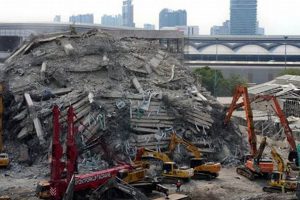



Skyscrapers, defined as high-rise buildings exceeding 40 stories or 150 meters in height, exhibit distinct characteristics that set them apart from other architectural structures.
These characteristics not only contribute to the visual appeal of skyscrapers but also play a crucial role in their structural integrity, functionality, and sustainability. They include innovative engineering solutions, advanced construction techniques, and state-of-the-art building materials that allow for exceptional height and resilience.
In this article, we will delve into the various characteristics of skyscrapers, exploring their historical evolution, engineering marvels, and the impact they have on urban landscapes and modern society.
1. Height

Height, a defining characteristic of skyscrapers, transcends mere numbers to embody architectural prowess and redefine urban landscapes. As skyscrapers soar towards the heavens, their height not only captures attention but also presents unique challenges and opportunities that shape their overall design and characteristics.
The pursuit of height in skyscrapers is driven by multiple factors, including the need for vertical space optimization in densely populated urban areas, the desire for iconic structures that symbolize economic power and prestige, and the advancement of engineering and construction techniques that make greater heights possible.
The height of a skyscraper influences various aspects of its design and characteristics. Taller buildings require innovative structural systems to withstand wind forces and seismic activity. They demand high-performance elevators and advanced fire safety measures. The exterior design must carefully consider the building’s height to ensure stability and minimize wind resistance. Additionally, taller skyscrapers often incorporate sustainable features to reduce energy consumption and environmental impact.
The height of skyscrapers also impacts their functionality and the user experience. Taller buildings offer panoramic views, but they may also present challenges in terms of accessibility and wayfinding. Architects and designers must carefully plan the interior layout and circulation to ensure efficient movement and comfortable living or working conditions.
Overall, the height of skyscrapers serves as a catalyst for architectural innovation, engineering ingenuity, and sustainable design. It is a testament to human ambition and the continuous evolution of the built environment.
2. Structure

The structure of a skyscraper is the backbone that determines its ability to withstand the forces of nature and human activity. It is a complex system that integrates various elements to create a stable and functional high-rise building.
The structural design of a skyscraper is influenced by several factors, including its height, location, and intended use. Taller buildings require more robust structures to resist wind and seismic forces. Skyscrapers in earthquake-prone areas need to incorporate special features to withstand lateral forces. The choice of structural system also depends on the building’s intended use, whether it is primarily for residential, commercial, or mixed-use purposes.
The most common structural systems used in skyscrapers are steel frames, reinforced concrete frames, and composite structures. Steel frames are lightweight and offer high strength, making them suitable for tall buildings. Reinforced concrete frames are more massive but provide excellent fire resistance. Composite structures combine steel and concrete to achieve the advantages of both materials.
The structural system of a skyscraper also includes other elements such as foundations, core walls, and shear walls. Foundations transfer the building’s weight to the ground, while core walls and shear walls provide lateral stability and resist wind and seismic forces.
Understanding the structure of a skyscraper is crucial for architects, engineers, and construction professionals. It enables them to design and build safe and efficient high-rise buildings that meet the needs of modern society.
3. Design

Design plays a pivotal role in shaping the characteristics of skyscrapers, influencing their aesthetics, functionality, and overall impact on the urban landscape. It involves the creative and technical process of translating architectural concepts into built form, considering various factors such as structural integrity, spatial organization, and user experience.
Skyscraper design must carefully balance form and function. Architects strive to create visually striking exteriors that reflect the building’s purpose and identity, while also ensuring that the interior spaces are functional, efficient, and provide a comfortable environment for occupants. The design of the facade, windows, and entrances influences the building’s overall appearance and its relationship with the surrounding environment.
The design of skyscrapers also considers the building’s structural system and the need to withstand wind and seismic forces. Architects and engineers work closely together to develop innovative structural solutions that allow for greater heights and more efficient use of space. The integration of sustainable design principles is becoming increasingly important, with skyscrapers incorporating energy-saving features, green roofs, and other eco-friendly elements.
Understanding the connection between design and the characteristics of skyscrapers is crucial for architects, engineers, and urban planners. It enables them to create high-rise buildings that are not only visually appealing but also safe, functional, and environmentally responsible. Well-designed skyscrapers enhance the urban environment, provide valuable spaces for living and working, and serve as landmarks that define the skyline.
4. Materials

The materials used in the construction of skyscrapers play a critical role in determining their characteristics and capabilities. Advancements in material science and engineering have pushed the boundaries of skyscraper design, enabling the creation of taller, more sustainable, and more visually striking buildings.
High-strength steel alloys are commonly used in the structural frames of skyscrapers due to their exceptional strength-to-weight ratio. These alloys allow for the construction of slender and lightweight structures that can withstand the immense gravitational and lateral forces acting on tall buildings. Steel also offers
excellent ductility, making it resistant to earthquakes and other dynamic loads.
Concrete, particularly reinforced concrete, is another important material used in skyscrapers. Its compressive strength and durability make it ideal for foundations, core walls, and other structural elements that bear heavy loads. Concrete can be reinforced with steel bars or fibers to enhance its tensile strength and ductility.
Glass is another defining material in modern skyscrapers. It provides natural light, reduces energy consumption, and offers panoramic views for occupants. Advances in glass technology have led to the development of high-performance glazing systems that provide excellent thermal insulation, solar control, and structural integrity.
Composite materials, such as fiber-reinforced polymers (FRPs) and laminated glass, are increasingly used in skyscrapers. FRPs offer high strength-to-weight ratios and corrosion resistance, making them suitable for exterior cladding and structural components. Laminated glass provides enhanced safety and security, as it is more resistant to breakage and impact.
The choice of materials for a skyscraper is driven by various factors, including structural requirements, aesthetic considerations, and sustainability goals. Architects and engineers carefully evaluate the properties and performance of different materials to optimize the design and characteristics of skyscrapers.
5. Function

The function of a skyscraper is a fundamental aspect that shapes its characteristics and overall design. Skyscrapers are designed to fulfill specific purposes, which influence their height, structure, and other defining features.
- Commercial Use
Skyscrapers are commonly used for commercial purposes, housing offices, retail spaces, and other businesses. They provide ample space for large corporations and organizations, allowing for efficient operations and centralized management. The height of commercial skyscrapers often reflects the economic power and prestige of the businesses that occupy them.
- Residential Use
Skyscrapers are increasingly being used for residential purposes, offering high-rise apartments and condominiums. They provide urban dwellers with convenient and luxurious living spaces, often with stunning views of the city. Residential skyscrapers often incorporate amenities such as fitness centers, swimming pools, and rooftop gardens to enhance the living experience.
- Mixed-Use Developments
Many skyscrapers combine commercial and residential uses, creating mixed-use developments. These buildings offer a diverse range of functions, catering to the needs of both businesses and residents. Mixed-use skyscrapers optimize space utilization and create vibrant urban environments that promote live-work-play lifestyles.
- Public and Cultural Use
Skyscrapers can also serve public and cultural purposes, housing museums, libraries, and other institutions. These buildings often incorporate unique architectural designs and public spaces, becoming landmarks and cultural destinations in the city.
The function of a skyscraper influences its height, structural design, material choices, and overall appearance. By understanding the diverse functions that skyscrapers fulfill, we gain a deeper appreciation for their architectural significance and the role they play in shaping urban landscapes.
6. Sustainability

Sustainability has become an integral aspect of the characteristics of skyscrapers, driven by increasing environmental awareness and the need for responsible urban development. Sustainable skyscrapers are designed to minimize their environmental impact throughout their lifecycle, from construction to operation and eventual decommissioning.
Incorporating sustainability into skyscrapers involves various strategies and technologies. Architects and engineers employ energy-efficient systems, such as LED lighting, automated lighting controls, and efficient HVAC systems, to reduce energy consumption. Water conservation measures, such as low-flow fixtures and rainwater harvesting systems, are also implemented to minimize water usage.
Sustainable skyscrapers often utilize renewable energy sources, such as solar panels and wind turbines, to generate clean energy and reduce their carbon footprint. Green roofs and facades, which incorporate vegetation into the building’s exterior, provide insulation and improve air quality. Sustainable materials, such as recycled steel and low-VOC (volatile organic compound) paints, are used to minimize the environmental impact of the building’s construction and operation.
The pursuit of sustainability in skyscrapers has also led to innovative architectural designs. Double-skin facades, which create a buffer zone between the interior and exterior of the building, provide natural ventilation and reduce energy consumption. Atriums and sky gardens bring natural light into the building’s interior, reducing the need for artificial lighting.
Understanding the connection between sustainability and the characteristics of skyscrapers is crucial for architects, engineers, and urban planners. By incorporating sustainable practices into high-rise buildings, we can create more environmentally responsible and resilient cities that contribute to a sustainable future.
7. Innovation in Skyscraper Design

Innovation plays a pivotal role in shaping the characteristics of skyscrapers, pushing the boundaries of architectural design and engineering capabilities. It manifests in various aspects, including structural systems, materials, energy efficiency, and sustainable practices.
- Structural Innovation
Skyscrapers require innovative structural solutions to withstand immense forces and achieve greater heights. Engineers have developed advanced systems, such as diagrid structures and outrigger frames, to optimize load distribution and enhance stability. These innovations allow for the creation of taller and more slender buildings that redefine the urban skyline.
- Material Innovation
The development of new materials has significantly influenced skyscraper design. High-strength steel alloys, lightweight composites, and advanced glass systems enable the construction of taller and more energy-efficient buildings. These materials provide increased strength, durability, and thermal insulation, contributing to the overall performance and aesthetics of skyscrapers.
- Energy Efficiency
Innovation in energy-efficient systems has become increasingly important in skyscraper design. Architects and engineers incorporate sustainable technologies, such as LED lighting, automated building management systems, and renewable energy sources, to reduce energy consumption and minimize the environmental impact of these high-rise structures.
- Sustainable Practices
Skyscrapers are embracing sustainable practices to reduce their carbon footprint and promote environmental responsibility. Green roofs, rainwater harvesting systems, and low-VOC materials
contribute to a more sustainable built environment. By integrating these innovative practices, architects and engineers create skyscrapers that are not only visually striking but also environmentally conscious.
Innovation remains at the forefront of skyscraper design, driving the creation of iconic structures that redefine the urban landscape and set new standards for architectural excellence. By embracing innovation in various aspects, architects and engineers continue to push the boundaries of skyscraper design, creating buildings that are taller, more sustainable, and more visually appealing.
FAQs on Characteristics of Skyscrapers
This section addresses frequently asked questions about the characteristics of skyscrapers, providing concise and informative answers.
Question 1: What are the defining characteristics of skyscrapers?
Skyscrapers are high-rise buildings that typically exceed 40 stories or 150 meters in height. They are characterized by their exceptional height, innovative structural systems, advanced materials, and functional versatility.
Question 2: How do skyscrapers withstand strong winds and earthquakes?
Skyscrapers employ robust structural systems, such as diagrid structures and outrigger frames, to distribute loads effectively and enhance stability. They also utilize advanced materials, like high-strength steel alloys and lightweight composites, which provide superior strength and ductility.
Question 3: What are the different functions of skyscrapers?
Skyscrapers serve various functions, including commercial (offices, retail), residential (apartments, condominiums), mixed-use (combining commercial and residential), and public (museums, libraries). They cater to the diverse needs of urban populations and contribute to the vitality of city centers.
Question 4: How are skyscrapers designed to be environmentally sustainable?
Sustainable skyscrapers incorporate energy-efficient systems (e.g., LED lighting), renewable energy sources (e.g., solar panels), and water conservation measures (e.g., rainwater harvesting). Green roofs and facades improve air quality and reduce energy consumption, contributing to a more sustainable built environment.
Question 5: What are the key innovations that have shaped skyscraper design?
Skyscraper design has evolved through innovations in structural engineering, materials science, and energy efficiency. Advanced structural systems, lightweight materials, and sustainable technologies have enabled the construction of taller, more efficient, and more environmentally conscious skyscrapers.
Question 6: What are the benefits of building skyscrapers?
Skyscrapers offer several benefits, including increased land use efficiency, panoramic views, and the consolidation of urban functions. They can stimulate economic growth, create employment opportunities, and enhance the overall urban experience.
Understanding the characteristics of skyscrapers is crucial for architects, engineers, urban planners, and anyone interested in the built environment. These iconic structures continue to shape skylines worldwide, pushing the boundaries of design, engineering, and sustainability.
Transition to the next article section…
Tips for Understanding the Characteristics of Skyscrapers
To gain a comprehensive understanding of the characteristics of skyscrapers, consider the following tips:
Tip 1: Study Structural Systems
Skyscrapers employ innovative structural systems to withstand immense forces. Familiarize yourself with diagrid structures, outrigger frames, and other advanced systems that contribute to stability and allow for greater heights.
Tip 2: Explore Material Properties
Skyscrapers utilize advanced materials like high-strength steel alloys and lightweight composites. Study the properties and applications of these materials to understand their impact on a skyscraper’s strength, durability, and energy efficiency.
Tip 3: Analyze Functional Diversity
Skyscrapers serve various functions, from commercial offices to residential apartments. Examine the different types of skyscrapers and how their design adapts to meet diverse needs and urban environments.
Tip 4: Evaluate Sustainability Features
Sustainable skyscrapers incorporate eco-friendly technologies. Explore green roofs, rainwater harvesting systems, and energy-efficient systems to understand how skyscrapers can minimize their environmental impact.
Tip 5: Trace Historical Evolution
Skyscraper design has evolved over time. Trace the historical progression from early steel-frame structures to modern architectural marvels. This will provide context for understanding the latest innovations and design trends.
Tip 6: Visit Case Studies
Visit renowned skyscrapers to observe their characteristics firsthand. Pay attention to their structural design, material choices, and functional elements. This practical experience will enhance your understanding and appreciation.
Tip 7: Consult Experts
Engage with architects, engineers, and urban planners specializing in skyscrapers. Their insights and knowledge will provide valuable perspectives on the technical and design considerations involved.
Tip 8: Utilize Reference Materials
Refer to textbooks, research papers, and online resources dedicated to skyscraper design. These materials will provide in-depth information and case studies to broaden your knowledge.
By following these tips, you can gain a comprehensive understanding of the characteristics of skyscrapers, appreciate their architectural significance, and stay informed about the latest innovations and trends in high-rise design.
Characteristics of Skyscrapers
Skyscrapers, with their towering heights and distinctive features, have reshaped urban landscapes globally. Their innovative structural systems, advanced materials, functional versatility, and sustainable practices make them marvels of modern architecture and engineering.
Understanding the characteristics of skyscrapers is essential for architects, engineers, urban planners, and anyone interested in the built environment. These iconic structures continue to push the boundaries of design, innovation, and sustainability. As cities grow and evolve, skyscrapers will undoubtedly play a pivotal role in shaping the future of urban living and working.