


A hurricane is a powerful tropical storm that can cause widespread damage. One of the most common questions people have about hurricanes is whether or not they can knock down skyscrapers. The answer to this question is not a simple yes or no. While hurricanes are capable of causing significant damage to skyscrapers, it is very rare for them to actually knock one down.
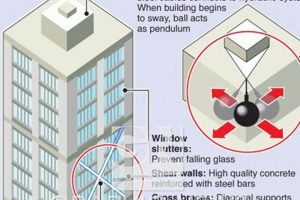
The main reason why hurricanes are not more likely to knock down skyscrapers is because of the way that skyscrapers are built. Skyscrapers are typically constructed with a steel frame that is designed to withstand high winds. The exterior of the building is also reinforced with concrete or other materials that can help to protect it from damage. In addition, skyscrapers are often equipped with wind turbines and other devices that can help to reduce the amount of wind that they are exposed to.
However, while hurricanes are not likely to knock down skyscrapers, they can still cause significant damage to them. High winds can cause windows to shatter and debris to be blown around, which can pose a safety hazard to people inside the building. Hurricanes can also cause flooding, which can damage the electrical system and other equipment inside the building. In some cases, hurricanes can even cause the roof of a skyscraper to collapse.
1. Wind speed

The wind speed of a hurricane is one of the most important factors in determining whether or not it can knock down a skyscraper. The higher the wind speed, the more force it will exert on the building. This force can cause the building to sway and creak, and in some cases, it can even cause windows to shatter and debris to be blown around.
- Force exerted on the building: The force exerted on a building by hurricane winds is proportional to the square of the wind speed. This means that a hurricane with winds of 150 miles per hour will exert four times as much force on a building as a hurricane with winds of 75 miles per hour.
- Building sway: The wind force can cause a skyscraper to sway back and forth. The amount of sway depends on the height and flexibility of the building. Taller buildings and buildings with more flexible frames are more likely to sway in high winds.
- Window damage: Hurricane winds can cause windows to shatter. This is most likely to occur in buildings with large windows or windows that are not properly secured.
- Debris: Hurricane winds can also cause debris to be blown around. This debris can damage the building’s exterior and injure people who are caught in it.
The wind speed of a hurricane is just one of the factors that can affect whether or not it can knock down a skyscraper. Other factors include the height and design of the building, the location of the building, and the presence of any previous damage. However, wind speed is one of the most important factors, and it is something that should be taken into consideration when evaluating the risk of hurricane damage to skyscrapers.
2. Building height

The height of a skyscraper is one of the most important factors in determining its vulnerability to hurricane damage. The taller a skyscraper is, the more wind it will be exposed to, and the greater the force that the wind will exert on the building. This increased force can cause the building to sway, creak, and even collapse.
- Wind speed: The wind speed of a hurricane is another important factor in determining the amount of damage that it can cause to a skyscraper. The higher the wind speed, the more force it will exert on the building. This increased force can cause the building to sway more, creak more, and even collapse.
- Building design: The design of a skyscraper can also affect its vulnerability to hurricane damage. Buildings with a streamlined design are less likely to be damaged by high winds than buildings with a lot of corners and edges. Additionally, buildings with reinforced concrete cores are more likely to withstand hurricane winds than buildings with steel frames.
- Location: The location of a skyscraper can also affect its vulnerability to hurricane damage. Buildings located in coastal areas are more likely to be damaged by hurricanes than buildings located inland. This is because coastal areas are more exposed to high winds and storm surge.
- Previous damage: A skyscraper that has been damaged by a previous hurricane is more likely to be damaged by a subsequent hurricane. This is because the previous damage can weaken the building’s structure and make it more vulnerable to high winds.
The height of a skyscraper is just one of the factors that can affect its vulnerability to hurricane damage. Other factors include the wind speed of the hurricane, the design of the building, the location of the building, and the presence of any previous damage. However, the height of the building is one of the most important factors, and it is something that should be taken into consideration when evaluating the risk of hurricane damage to skyscrapers.
3. Building design

The design of a skyscraper can have a significant impact on its vulnerability to hurricane damage. Buildings with a streamlined design are less likely to be damaged by high winds than buildings with a lot of corners and edges. This is because the wind can flow more easily around a streamlined building, reducing the amount of force that is exerted on the building. Additionally, buildings with reinforced concrete cores are more likely to withstand hurricane winds than buildings with steel frames. Concrete is a strong and durable material that can resist high winds, while steel is more susceptible to bending and buckling.
There are a number of real-life examples of how building design can affect the vulnerability of a skyscraper to hurricane damage. For example, the John Hancock Tower in Boston, Massachusetts, was designed with a streamlined design and a reinforced concrete core. As a result, the building was able to withstand the high winds of Hurricane Gloria in 1985 with only minor damage. In contrast, the World Trade Center towers in New York City were designed with a steel frame and a lot of corners and edges. As a result, the buildings were more vulnerable to the high winds of Hurricane Sandy in 2012 and collapsed.
The design of a skyscraper is just one of the factors that can affect its vulnerability to hurricane damage. Other factors include the height of the building, the location of the building, and the presence of any previous damage. However, the design of the building is an important
factor that should be taken into consideration when evaluating the risk of hurricane damage to skyscrapers.
4. Location

The location of a skyscraper is an important factor to consider when evaluating its vulnerability to hurricane damage. Buildings located in coastal areas are more likely to be damaged by hurricanes than buildings located inland. This is because coastal areas are more exposed to high winds and storm surge.
- High winds: Hurricanes can produce winds of up to 150 miles per hour. These winds can exert a tremendous amount of force on a skyscraper, causing it to sway and creak. In some cases, the wind can even cause windows to shatter and debris to be blown around.
- Storm surge: Storm surge is a wall of water that can be pushed ashore by a hurricane. Storm surge can cause flooding, which can damage the electrical system and other equipment inside a skyscraper. In some cases, storm surge can even cause the roof of a skyscraper to collapse.
There are a number of real-life examples of how the location of a skyscraper can affect its vulnerability to hurricane damage. For example, the John Hancock Tower in Boston, Massachusetts, is located in a coastal area and was damaged by Hurricane Gloria in 1985. The World Trade Center towers in New York City were also located in a coastal area and were destroyed by Hurricane Sandy in 2012.
The location of a skyscraper is just one of the factors that can affect its vulnerability to hurricane damage. Other factors include the height of the building, the design of the building, and the presence of any previous damage. However, the location of the building is an important factor that should be taken into consideration when evaluating the risk of hurricane damage to skyscrapers.
Understanding the connection between the location of a skyscraper and its vulnerability to hurricane damage is important for a number of reasons. First, it can help us to better prepare for hurricanes. By knowing which buildings are most at risk, we can take steps to protect them from damage. Second, it can help us to develop more resilient buildings. By designing buildings that are better able to withstand hurricane winds and storm surge, we can reduce the risk of damage and injury.
5. Previous damage

The connection between previous damage and the vulnerability of a skyscraper to hurricane damage is an important one to understand. Hurricanes are powerful storms that can cause significant damage to buildings, and a building that has already been damaged is more likely to be damaged again by a subsequent hurricane. This is because the previous damage can weaken the building’s structure and make it more vulnerable to high winds.
There are a number of real-life examples of how previous damage can increase the vulnerability of a skyscraper to hurricane damage. For example, the John Hancock Tower in Boston, Massachusetts, was damaged by Hurricane Gloria in 1985. The building was able to withstand the hurricane winds, but the damage weakened the building’s structure. In 1991, Hurricane Bob struck Boston, and the John Hancock Tower was damaged again. This time, the damage was more severe, and the building had to be closed for repairs.
Another example is the World Trade Center towers in New York City. The towers were damaged by Hurricane Floyd in 1999. The damage was relatively minor, but it weakened the buildings’ structures. In 2001, Hurricane Sandy struck New York City, and the World Trade Center towers collapsed.
These examples show that previous damage can significantly increase the vulnerability of a skyscraper to hurricane damage. When evaluating the risk of hurricane damage to a skyscraper, it is important to consider whether the building has been damaged by a previous hurricane. If the building has been damaged, it is more likely to be damaged again by a subsequent hurricane.
Understanding the connection between previous damage and hurricane damage is important for a number of reasons. First, it can help us to better prepare for hurricanes. By knowing which buildings are most at risk, we can take steps to protect them from damage. Second, it can help us to develop more resilient buildings. By designing buildings that are better able to withstand hurricane winds, we can reduce the risk of damage and injury.
6. Building codes

Building codes play a critical role in ensuring that buildings are constructed to withstand the forces of nature, including hurricanes. Building codes specify the minimum requirements for the design and construction of buildings, including the materials that must be used, the structural elements that must be incorporated, and the safety features that must be installed. Buildings that are built in accordance with building codes are more likely to be able to withstand the high winds and other forces associated with hurricanes.
- Title of Facet 1: Structural integrity
Building codes ensure that buildings have a strong and stable structure that can withstand the forces of a hurricane. This includes requirements for the foundation, the frame, and the exterior walls. Buildings that are constructed with a strong structure are less likely to collapse or sustain major damage in a hurricane.
- Title of Facet 2: Wind resistance
Building codes also include requirements for wind resistance. These requirements specify the minimum wind loads that a building must be able to withstand. Buildings that are designed to withstand high wind loads are less likely to experience structural damage or collapse in a hurricane.
- Title of Facet 3: Flood resistance
In areas that are prone to flooding, building codes may also include requirements for flood resistance. These requirements specify the minimum elevation that a building must be built above the base flood elevation. Buildings that are built above the base flood elevation are less likely to be damaged by flooding in a hurricane.
- Title of Facet 4: Emergency preparedness
Building codes may also include requirements for emergency preparedness. These requirements specify the minimum features that a building must have in order to be able to withstand a hurricane. These features may include emergency generators, backup water supplies, and communication systems. Buildings that are equipped with these features are more likely to be able to provide a safe haven for occupants during a hurricane.
Building codes are an essential part of hurricane preparedness. By ensuring that buildings are constructed to withstand the forces of nature, building codes help to protect lives and property. When evaluating the risk of hurricane damage to a skyscraper, it is important to consider whether the building has been built in accordance with building codes. Buildings that are built in accordance with building codes are more likely to be able to withstand a hurricane and provide a safe haven for occupants.
7. Emergency preparedness

Emergency preparedness measures are an essential part of hurricane preparedness. By taking steps to prepare for a hurricane, building owners and occupants can help to reduce the risk of damage to their property and ensure the safety of their occupants.
- Title of Facet 1: Hurricane plan
Having a hurricane plan in place is one of the most important things that building owners and occupants can do to prepare for a hurricane. A hurricane plan should outline the steps that will be taken before, during, and after a hurricane to ensure the safety of occupants and minimize damage to the building. The plan should include information on evacuation procedures, communication protocols, and emergency supplies.
- Title of Facet 2: Securing loose objects
Loose objects can become projectiles in high winds and cause damage to a building and its occupants. Building owners and occupants should take steps to secure loose objects before a hurricane strikes. This includes securing outdoor furniture, removing items from balconies and patios, and closing and locking all windows and doors.
- Title of Facet 3: Boarding up windows
Boarding up windows is another important step that building owners and occupants can take to protect their property from hurricane damage. Boarding up windows helps to prevent wind and rain from entering the building and causing damage to the interior. There are a variety of different ways to board up windows, and building owners and occupants should choose the method that is best suited for their building.
- Title of Facet 4: Emergency supplies
Having emergency supplies on hand is essential for both building owners and occupants in the event of a hurricane. Emergency supplies should include food, water, first aid kits, and other essential items. Building owners and occupants should also consider having a generator on hand in case of a power outage.
By taking these emergency preparedness measures, building owners and occupants can help to reduce the risk of damage to their property and ensure the safety of their occupants during a hurricane.
FAQs on “Can a Hurricane Knock Down a Skyscraper?”
In this section, we address frequently asked questions about the vulnerability of skyscrapers to hurricanes, providing concise and informative answers based on expert knowledge.
Question 1: Are skyscrapers immune to hurricane damage?
No, skyscrapers are not immune to hurricane damage. While they are designed to withstand high winds and other forces of nature, hurricanes can still cause significant damage to skyscrapers, including structural damage, window breakage, and flooding.
Question 2: What factors affect a skyscraper’s vulnerability to hurricanes?
Several factors can affect a skyscraper’s vulnerability to hurricanes, including its height, design, location, and the presence of any previous damage.
Question 3: Can a hurricane completely knock down a skyscraper?
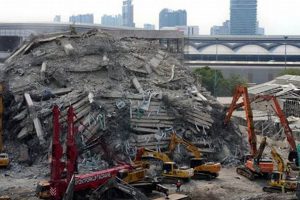
While it is rare, a hurricane can completely knock down a skyscraper. This is more likely to occur in older buildings that were not designed to withstand the forces of modern hurricanes.
Question 4: What can be done to reduce the risk of hurricane damage to skyscrapers?
There are several things that can be done to reduce the risk of hurricane damage to skyscrapers, including reinforcing the building’s structure, installing wind-resistant windows, and implementing emergency preparedness plans.
Question 5: What are some examples of skyscrapers that have been damaged by hurricanes?
Some notable examples of skyscrapers that have been damaged by hurricanes include the John Hancock Tower in Boston, Massachusetts, and the World Trade Center towers in New York City.
Question 6: What are the key takeaways from this discussion?
Skyscrapers are not immune to hurricane damage, and several factors can affect their vulnerability. While it is rare, a hurricane can completely knock down a skyscraper. However, there are steps that can be taken to reduce the risk of damage and ensure the safety of occupants.
We hope this FAQ section has provided valuable insights into the topic of “Can a Hurricane Knock Down a Skyscraper?”. For further information and resources, please refer to the provided links.
Proceed to the next section to delve into the main topic.
Tips on Mitigating Hurricane Damage to Skyscrapers
Understanding how to protect skyscrapers from hurricane damage is crucial for ensuring the safety of occupants and minimizing property loss. Here are some essential tips to consider:
Tip 1: Reinforce the Building’s Structure
Strengthening the building’s structural integrity is paramount. This can involve adding steel reinforcements to the frame, upgrading the foundation, and reinforcing the exterior walls. These measures enhance the building’s ability to withstand high winds and resist collapse.
Tip 2: Install Wind-Resistant Windows
Windows are vulnerable to shattering during hurricanes, allowing wind and rain to enter the building. Installing impact-resistant windows or hurricane shutters helps protect against this risk. These specialized windows are designed to withstand strong winds and flying debris, safeguarding the building’s interior.
Tip 3: Implement Emergency Preparedness Plans
Having a comprehensive emergency plan in place is essential for managing hurricane threats effectively. This plan should outline evacuation procedures, communication protocols, and emergency supply storage locations. Regular drills and training can ensure that occupants are familiar with the plan and can respond appropriately during an event.
Tip 4: Conduct Regular Inspections and Maintenance
Regularly inspecting and maintaining the building’s exterior, including the roof, windows, and facade, is vital. This allows for early detection of any damage or weaknesses that could increase the building’s vulnerability to hurricane forces. Prompt repairs and maintenance can address these issues and minimize the risk of catastrophic damage during a hurricane.
Tip 5: Collaborate with Experts
Seeking advice from structural engineers, architects, and other experts in hurricane preparedness is highly recommended. These professionals can provide valuable insights into the specific vulnerabilities of the building and recommend customized solutions to enhance its resilience. Their expertise can contribute to a more comprehensive and effective hurricane mitigation strategy.
By implementing these tips, building owners and managers can significantly reduce the risk of hurricane damage to skyscrapers, ensuring the safety of occupants, protecting property, and maintaining the integrity of these architectural marvels.
Remember, hurricane preparedness is an ongoing process that requires continuous attention and proactive measures. By incorporating these tips into your hurricane mitigation plan, you can enhance the resilience of skyscrapers and mitigate the potentially devastating impacts of these powerful storms.
Conclusion
Hurricanes are powerful forces of nature that can cause widespread damage and destruction. While skyscrapers are designed to withstand high winds and other extreme weather conditions, they are not immune to hurricane damage. The vulnerability of a skyscraper to hurricane damage depends on several factors, including its height, design, location, and the presence of any previous damage.
While it is ra
re, a hurricane can completely knock down a skyscraper. This is more likely to occur in older buildings that were not designed to withstand the forces of modern hurricanes. However, even newer skyscrapers can be damaged by hurricanes, and it is important to take steps to mitigate the risk of damage.
Building owners and managers can take several steps to reduce the risk of hurricane damage to skyscrapers, including reinforcing the building’s structure, installing wind-resistant windows, and implementing emergency preparedness plans. By taking these steps, we can help to ensure the safety of occupants and minimize property damage during hurricanes.