


A box skyscraper, also known as a rectangular skyscraper, is a tall building with a rectangular floor plan. Box skyscrapers are typically constructed with a steel frame and a glass curtain wall. They are often used for commercial purposes, such as office space or retail stores. Some of the most famous box skyscrapers in the world include the Empire State Building, the World Trade Center, and the Bank of America Tower.
Box skyscrapers offer several advantages over other types of buildings. First, they are very efficient use of space. The rectangular floor plan allows for a maximum amount of usable space, and the steel frame construction allows for large open floor plans. Second, box skyscrapers are relatively easy to construct. The simple design and the use of prefabricated components make them faster and cheaper to build than other types of buildings. Third, box skyscrapers are very durable. The steel frame and the glass curtain wall make them resistant to fire, wind, and earthquakes.
Box skyscrapers have played a major role in the development of cities around the world. They have provided much-needed office space and retail space, and they have helped to create vibrant and livable urban environments. Box skyscrapers are a testament to the ingenuity and the creativity of architects and engineers, and they continue to be an important part of the urban landscape.
1. Efficiency

Box skyscrapers are designed to maximize usable space. The rectangular floor plan allows for a simple and efficient layout, with minimal wasted space. This is in contrast to other types of buildings, such as circular or triangular buildings, which may have more wasted space due to their irregular shapes.
- Regular shape: The rectangular shape of box skyscrapers makes them easy to fit into urban planning grids. This allows for a more efficient use of land, as well as better integration with surrounding buildings.
- Open floor plans: The steel frame construction of box skyscrapers allows for large, open floor plans. This is ideal for office space, as it allows for maximum flexibility and efficiency in terms of space planning.
- Vertical transportation: Box skyscrapers are typically equipped with efficient vertical transportation systems, such as elevators and escalators. This allows for quick and easy movement of people and goods throughout the building.
- Energy efficiency: The rectangular shape of box skyscrapers also makes them more energy efficient. The simple design and the use of glass curtain walls allow for natural light to penetrate deep into the building, reducing the need for artificial lighting.
The efficiency of box skyscrapers is a major advantage, as it allows for a maximum amount of usable space and flexibility. This makes them a popular choice for commercial and office buildings, as well as other types of buildings that require a large amount of space.
2. Speed of construction

The speed of construction is a major advantage of box skyscrapers. The simple design and the use of prefabricated components make them faster and cheaper to build than other types of buildings. This makes them a popular choice for developers who need to build quickly and efficiently.
- Modular construction: Box skyscrapers are often constructed using modular construction techniques. This involves building the building in sections off-site, which are then assembled on-site. This can significantly reduce the construction time.
- Prefabricated components: Box skyscrapers also make use of prefabricated components, such as precast concrete panels and steel frames. These components are manufactured off-site and then assembled on-site, which can also save time and money.
- Simple design: The simple design of box skyscrapers also contributes to their speed of construction. The rectangular shape and the lack of complex architectural features make them easier and faster to build.
- Skilled workforce: There is a large pool of skilled workers who are experienced in building box skyscrapers. This means that developers can find the labor they need to build their projects quickly and efficiently.
The speed of construction is a major advantage of box skyscrapers. This makes them a popular choice for developers who need to build quickly and efficiently. Box skyscrapers can be built in a matter of months, rather than years, which can save developers time and money.
3. Durability
The durability of box skyscrapers is one of their key advantages. The steel frame and the glass curtain wall make them resistant to fire, wind, and earthquakes. This makes them a safe and reliable choice for commercial and residential use.
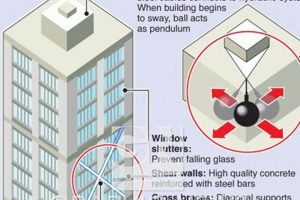
- Fire resistance: The steel frame of a box skyscraper is fire resistant, which means that it will not collapse in a fire. The glass curtain wall is also fire resistant, which helps to prevent the spread of fire from one floor to another.
- Wind resistance: The steel frame of a box skyscraper is also wind resistant, which means that it can withstand high winds without collapsing. The glass curtain wall is also wind resistant, which helps to prevent the building from swaying in the wind.
- Earthquake resistance: The steel frame of a box skyscraper is also earthquake resistant, which means that it can withstand earthquakes without collapsing. The glass curtain wall is also earthquake resistant, which helps to prevent the building from collapsing in an earthquake.
The durability of box skyscrapers is a major advantage, as it makes them a safe and reliable choice for commercial and residential use. Box skyscrapers can withstand fires, winds, and earthquakes, which makes them a good choice for areas that are prone to these natural disasters.
4. Flexibility

The flexibility of box skyscrapers is one of their key advantages. They can be easily adapted to different uses, making them a popular choice for developers and businesses. Box skyscrapers can be used for office space, retail space, or even residential space. This flexibility is due to the simple design of box skyscrapers. The rectangular floor plan and the open floor plans allow for easy customization and reconfiguration. This makes box skyscrapers a good choice for businesses that need to change their space requirements over ti
me.
For example, a box skyscraper that was originally built for office space could be converted into retail space or residential space with relative ease. This flexibility is a major advantage for developers, as it allows them to adapt their buildings to changing market demands. It is also a major advantage for businesses, as it allows them to find the space that they need at a reasonable cost.
The flexibility of box skyscrapers is a key factor in their popularity. This flexibility makes them a good choice for a variety of uses, and it allows developers and businesses to adapt their buildings to changing needs over time.
5. Sustainability

Sustainability is an increasingly important consideration for all types of buildings, and box skyscrapers are no exception. Box skyscrapers can be designed to be sustainable by incorporating a variety of energy-efficient systems and green building materials.
- Energy-efficient systems: Box skyscrapers can be equipped with a variety of energy-efficient systems, such as:
- High-performance windows: High-performance windows can reduce heat loss and gain, which can save energy on heating and cooling costs.
- LED lighting: LED lighting is more energy-efficient than traditional lighting, and it can also last longer.
- Variable frequency drives (VFDs): VFDs can be used to control the speed of fans and pumps, which can save energy.
- Green building materials: Box skyscrapers can also be constructed using a variety of green building materials, such as:
- Recycled steel: Recycled steel is a more sustainable option than virgin steel, as it reduces the need for mining and processing.
- Low-VOC paints and adhesives: Low-VOC paints and adhesives emit fewer volatile organic compounds (VOCs), which can improve indoor air quality.
- Sustainable wood: Sustainable wood is harvested from forests that are managed sustainably, which helps to protect the environment.
- Green roofs: Green roofs are covered with vegetation, which can help to reduce stormwater runoff, improve air quality, and provide insulation.
By incorporating a variety of energy-efficient systems and green building materials, box skyscrapers can be designed to be sustainable. This can reduce their environmental impact and make them more cost-efficient to operate. As the demand for sustainable buildings continues to grow, box skyscrapers are likely to become increasingly popular.
6. Iconic

Box skyscrapers are often iconic structures because of their unique and recognizable designs. They can become landmarks for cities and help to create a unique identity. For example, the Empire State Building is an iconic landmark of New York City, and the Petronas Towers are an iconic landmark of Kuala Lumpur. Box skyscrapers can also be used to create a unique identity for a company or organization. For example, the Salesforce Tower in San Francisco is an iconic landmark of the Salesforce company.
The iconic status of box skyscrapers can have a number of benefits for a city or organization. For example, it can attract tourists, boost the economy, and create a sense of place. Box skyscrapers can also be used to promote a city or organization’s brand. For example, the Burj Khalifa in Dubai is used to promote the city of Dubai as a global business and financial center.
However, it is important to note that not all box skyscrapers are iconic. In order to become iconic, a box skyscraper must have a unique and recognizable design. It must also be located in a prominent location and be associated with a city or organization that has a strong brand.
Overall, the iconic status of box skyscrapers can have a number of benefits for a city or organization. However, it is important to note that not all box skyscrapers are iconic. In order to become iconic, a box skyscraper must have a unique and recognizable design, be located in a prominent location, and be associated with a city or organization that has a strong brand.
7. Cost-effective
Box skyscrapers are a cost-effective way to build tall buildings because they are designed to be efficient and economical. The rectangular floor plan and the use of prefabricated components allow for a maximum amount of usable space and reduce construction time and costs. Additionally, the steel frame construction and the glass curtain wall make box skyscrapers durable and resistant to fire, wind, and earthquakes, which reduces maintenance and repair costs over the long term.
- Lower construction costs: Box skyscrapers are less expensive to build than other types of tall buildings because they use less materials and require less labor. The simple design and the use of prefabricated components allow for faster and more efficient construction, which reduces overall costs.
- Reduced maintenance costs: Box skyscrapers are durable and resistant to fire, wind, and earthquakes, which reduces maintenance and repair costs over the long term. The steel frame construction and the glass curtain wall are both strong and durable, and they can withstand even the most extreme weather conditions.
- Energy efficiency: Box skyscrapers can be designed to be energy efficient, which can reduce operating costs over the long term. The rectangular shape and the use of glass curtain walls allow for natural light to penetrate deep into the building, reducing the need for artificial lighting. Additionally, box skyscrapers can be equipped with energy-efficient systems, such as high-performance windows and LED lighting, which can further reduce energy consumption.
- Flexibility: Box skyscrapers are flexible and can be easily adapted to different uses, which can make them a good investment for developers. The rectangular floor plan and the open floor plans allow for easy customization and reconfiguration, which makes box skyscrapers suitable for a variety of uses, including office space, retail space, and residential space.
Overall, box skyscrapers are a cost-effective way to build tall buildings. They are less expensive to build than other types of buildings, and they offer a number of advantages that make them a good value for the money. Box skyscrapers are durable, energy efficient, and flexible, which can reduce operating costs and make them a good investment for developers.
FAQs on Box Skyscrapers
This section provides answers to some frequently asked questions about box skyscrapers. These questions and answers aim to provide a comprehensive understanding of box skyscrapers, addressing common concerns and misconceptions.
Question 1: What are the main advantages of box skyscrapers?
Box skyscrapers offer several advantages, including efficiency, speed of construction, durability, flexibility, sustainability, and cost-effectiveness. They provide maximum usable space, can be built quickly and affordably, and are designed to withstand various environmental factors.
Question 2: Are box skyscrapers sustainable?
Yes, box skyscrapers can be designed to be sustainable. They can incorporate energy-efficie
nt systems, such as high-performance windows and LED lighting, to reduce energy consumption. They can also use green building materials, such as recycled steel and sustainable wood, to minimize their environmental impact.
Question 3: How do box skyscrapers contribute to the urban environment?
Box skyscrapers play a significant role in the development of cities. They provide much-needed office and retail space, creating vibrant urban environments. Their iconic designs can serve as landmarks and contribute to a city’s unique identity.
Question 4: Are box skyscrapers safe and durable?
Box skyscrapers are designed to be safe and durable. Their steel frame construction and glass curtain walls make them resistant to fire, wind, and earthquakes. Regular maintenance and inspections ensure their continued safety and longevity.
Question 5: How do box skyscrapers compare to other types of tall buildings?
Box skyscrapers are generally more cost-effective and efficient to build than other types of tall buildings. Their rectangular floor plans maximize usable space, and their use of prefabricated components reduces construction time. They also offer flexibility in terms of use and adaptability.
Question 6: What are some notable examples of box skyscrapers?
Some famous box skyscrapers include the Empire State Building, the World Trade Center, the Bank of America Tower, and the Petronas Towers. These buildings are renowned for their iconic designs, technological advancements, and contributions to their respective skylines.
In summary, box skyscrapers are a type of tall building characterized by their rectangular shape, efficient design, and durability. They offer numerous advantages, including cost-effectiveness, sustainability, and flexibility, making them a popular choice for commercial and urban development.
Moving forward, the design and construction of box skyscrapers will continue to evolve, incorporating advancements in technology and sustainable practices to meet the changing needs of cities and businesses.
Tips for Box Skyscrapers
Box skyscrapers are a popular choice for commercial and urban development due to their efficiency, durability, and flexibility. Here are some tips to consider for the design and construction of box skyscrapers:
Tip 1: Maximize Natural Light
The use of large windows and glass curtain walls allows for natural light to penetrate deep into the building, reducing the need for artificial lighting and creating a more comfortable and productive work environment.
Tip 2: Optimize Space Planning
The rectangular floor plan of box skyscrapers provides maximum usable space. Careful planning of interior layouts and the use of open floor plans can create flexible and efficient workspaces.
Tip 3: Incorporate Sustainable Features
Box skyscrapers can be designed to be sustainable by integrating energy-efficient systems, such as LED lighting and high-performance windows, and using green building materials, such as recycled steel and sustainable wood.
Tip 4: Ensure Structural Integrity
The steel frame construction and glass curtain walls of box skyscrapers provide durability and resistance to fire, wind, and earthquakes. Regular maintenance and inspections are crucial to maintain structural integrity.
Tip 5: Consider Mixed-Use Developments
Box skyscrapers can be designed to accommodate a mix of uses, such as office space, retail space, and residential units. This can create vibrant and diverse urban environments.
Tip 6: Enhance Accessibility
Box skyscrapers should be designed with accessible features, such as ramps, elevators, and wide corridors, to ensure accessibility for all users, including individuals with disabilities.
Tip 7: Integrate Smart Technologies
Smart technologies, such as building automation systems and sensor networks, can be integrated into box skyscrapers to improve energy efficiency, security, and occupant comfort.
Tip 8: Design for Longevity
Box skyscrapers are long-term investments. Designing them with durable materials, flexible floor plans, and adaptable systems can ensure their continued relevance and value over time.
By following these tips, architects, engineers, and developers can create box skyscrapers that are efficient, sustainable, and contribute positively to the urban environment.
Conclusion
In conclusion, box skyscrapers are a prevalent type of tall building valued for their efficiency, durability, and flexibility. Their rectangular floor plans, steel frame construction, and glass curtain walls make them suitable for a wide range of commercial and urban purposes.
As cities continue to grow and evolve, box skyscrapers will likely remain a prominent feature of urban landscapes. Their ability to provide ample space, incorporate sustainable features, and adapt to changing needs make them a valuable asset in creating vibrant, sustainable, and livable urban environments. Architects, engineers, and developers should continue to innovate and refine the design of box skyscrapers to meet the challenges and opportunities of the future.