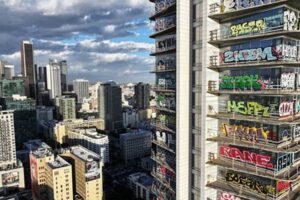



Skyscrapers are a defining feature of many cities around the world, and their colorful facades add vibrancy and character to urban landscapes. “Colorful skyscrapers” is a broad term that encompasses a wide range of architectural styles and design elements.
One of the most iconic examples of a colorful skyscraper is the Burj Khalifa in Dubai, which features a dazzling exterior adorned with LED lights that can create a variety of colorful displays. Other notable examples include the Shanghai Tower in China, which boasts a glass facade that reflects the colors of the surrounding sky and cityscape, and the Lotte World Tower in South Korea, which has a distinctive pixelated exterior that can display colorful patterns and images.
Colorful skyscrapers not only add aesthetic appeal to cities but also serve several practical purposes. They can help to reduce heat absorption, improve energy efficiency, and even promote mental well-being. Additionally, colorful skyscrapers can be used to create landmarks and focal points within a city, and they can help to boost tourism and economic development.
1. Architectural styles

The architectural style of a skyscraper can have a significant impact on its overall appearance, including its use of color. For example, skyscrapers built in the Art Deco style often feature bold and geometric patterns, while skyscrapers built in the International Style typically have a more minimalist appearance with clean lines and simple forms.
The choice of architectural style can also affect the energy efficiency and heat absorption of a skyscraper. For example, skyscrapers with a glass facade can allow more natural light to enter the building, which can reduce the need for artificial lighting. Additionally, skyscrapers with a reflective facade can help to reduce heat absorption, which can lead to lower cooling costs.
The architectural style of a skyscraper can also have a significant impact on its landmark status and cultural significance. For example, the Empire State Building in New York City is a beloved landmark and a symbol of the city’s skyline. The building’s Art Deco style and iconic silhouette have made it one of the most recognizable buildings in the world.
Overall, the architectural style of a skyscraper is an important factor to consider when discussing colorful skyscrapers. The choice of architectural style can affect the building’s appearance, energy efficiency, heat absorption, landmark status, and cultural significance.
2. Design elements

Design elements play a crucial role in the visual appeal and overall impact of colorful skyscrapers. These elements include the use of color, shape, texture, and pattern, which can be combined in various ways to create unique and iconic structures.
- Color
Color is one of the most important design elements in colorful skyscrapers. It can be used to create a variety of effects, such as attracting attention, creating a sense of movement, and reflecting the surrounding environment. For example, the Burj Khalifa in Dubai uses a variety of LED lights to create colorful displays that can be seen from miles away. - Shape
The shape of a skyscraper can also be used to create a variety of effects. For example, the Shanghai Tower in China has a unique twisted shape that makes it stand out from other skyscrapers in the city. The shape of a skyscraper can also affect its energy efficiency and heat absorption. - Texture
Texture can be used to add visual interest to a skyscraper. For example, the Lotte World Tower in South Korea has a distinctive pixelated exterior that gives it a unique texture. The texture of a skyscraper can also affect its energy efficiency and heat absorption. - Pattern
Pattern can be used to create a variety of effects on a skyscraper. For example, the One World Trade Center in New York City has a facade that is made up of a repeating pattern of glass and steel. The pattern of a skyscraper can also affect its energy efficiency and heat absorption.
Overall, design elements are essential to the visual appeal and overall impact of colorful skyscrapers. By carefully combining color, shape, texture, and pattern, architects can create unique and iconic structures that add vibrancy and character to cities around the world.
3. Landmark status

Landmark status refers to the recognition and protection of a building or structure due to its architectural, historical, or cultural significance. Colorful skyscrapers can often achieve landmark status due to their unique design, innovative use of color, and impact on the urban landscape. Here are four key facets to consider when exploring the connection between landmark status and colorful skyscrapers:
- Cultural Symbolism
Colorful skyscrapers can become cultural symbols of a city or region, representing its identity and aspirations. For example, the Empire State Building in New York City is not only a famous landmark but also an iconic symbol of the city itself. - Architectural Innovation
Colorful skyscrapers often showcase innovative architectural design and engineering techniques. The use of vibrant colors and unique forms can push the boundaries of design and create visually striking landmarks. For instance, the Burj Khalifa in Dubai is known for its record-breaking height and its distinctive color-changing LED facade. - Urban Identity
Colorful skyscrapers can shape the identity of a city’s skyline and contribute to its overall visual appeal. They can serve as focal points within the urban landscape, attracting attention and creating a sense of place. For example, the Shanghai Tower in China is a vibrant addition to the city’s skyline and has become a popular tourist destination. - Economic Impact
Landmark status can have a positive impact on the economic development of an area. Colorful skyscrapers can attract tourists, businesses, and investment, contributing to the local economy. For instance, the Petronas Towers in Kuala Lumpur have become a major tourist attraction and have helped to boost the city’s economy.
In conclusion, the connection between landmark status and colorful skyscrapers is significant. Colorful skyscrapers can achieve landmark status due to their cultural symbolism, architectural innovation, impact on urban identity, and economic benefits. They become iconic symbols of cities, showcasing innovative design, enhancing the urban landscape, and contributing to economic development.
4. Energy efficie
ncy

In recent years, there has been a growing emphasis on energy efficiency in architecture and construction. This is due in part to the rising cost of energy, as well as the increasing awareness of the environmental impact of buildings. Colorful skyscrapers are no exception to this trend. In fact, many architects and engineers are now finding ways to incorporate energy-efficient features into their designs for colorful skyscrapers.
One of the most important ways to improve the energy efficiency of a colorful skyscraper is to use energy-efficient materials. This includes using materials that have a high thermal resistance, such as insulated glass and concrete. It also includes using materials that have a high solar reflectance, such as white or light-colored paints and coatings.
Another important way to improve the energy efficiency of a colorful skyscraper is to design the building in a way that minimizes heat gain. This can be done by using shading devices, such as overhangs and awnings, to block out the sun. It can also be done by using natural ventilation to circulate air throughout the building.
By incorporating energy-efficient features into their designs, architects and engineers can create colorful skyscrapers that are both beautiful and sustainable. These buildings can help to reduce energy costs, emissions, and environmental impact.
5. Heat absorption

Heat absorption is a crucial factor to consider in the design and construction of colorful skyscrapers. The absorption of solar energy by a building’s exterior can impact its indoor temperature, energy efficiency, and overall environmental performance. Here are four key aspects to explore regarding the connection between heat absorption and colorful skyscrapers:
- Color and Reflectivity
The color of a skyscraper’s exterior significantly influences its heat absorption. Darker colors, such as black or navy blue, absorb more solar energy than lighter colors, such as white or light gray. This is because darker colors have a lower solar reflectance, meaning they reflect less sunlight and absorb more heat. Lighter colors, on the other hand, have a higher solar reflectance, which helps to reduce heat absorption.
- Material Properties
The materials used in the construction of a skyscraper’s exterior also affect its heat absorption. Some materials, such as glass and metal, have a high thermal conductivity, meaning they conduct heat easily. This can lead to increased heat absorption and transfer into the building’s interior. Other materials, such as concrete and brick, have a lower thermal conductivity, which helps to reduce heat absorption.
- Shading and Glazing
The use of shading devices and glazing can significantly impact heat absorption in colorful skyscrapers. Overhangs, awnings, and other shading elements can help to block direct sunlight from reaching the building’s exterior, reducing heat gain. Additionally, the type of glazing used in windows can affect heat absorption. Low-emissivity (low-e) glass has a special coating that reflects solar energy, reducing heat transfer into the building.
- Building Orientation
The orientation of a skyscraper can also influence its heat absorption. Buildings that are oriented towards the south or west tend to absorb more solar energy than those oriented towards the north or east. This is because the sun’s rays are more direct and intense during the afternoon hours, when buildings facing south or west receive more sunlight.
Understanding the connection between heat absorption and colorful skyscrapers is crucial for architects and engineers to design energy-efficient and sustainable buildings. By carefully considering the color, materials, shading, and orientation of their designs, they can minimize heat absorption and create more comfortable and environmentally friendly skyscrapers.
6. Mental well-being
Mental well-being is a crucial aspect of overall health and quality of life. Colorful skyscrapers can play a significant role in promoting mental well-being through various mechanisms.
One of the primary ways in which colorful skyscrapers contribute to mental well-being is by creating visually stimulating and engaging environments. The vibrant colors and unique designs of these buildings can capture attention, evoke emotions, and provide a sense of pleasure and joy. Studies have shown that exposure to visually appealing environments can reduce stress, improve mood, and enhance cognitive function.
Furthermore, colorful skyscrapers can foster a sense of community and belonging. They often become iconic landmarks within cities, creating a shared sense of identity and pride among residents. This can contribute to feelings of social connectedness and support, which are essential for mental well-being.
Additionally, the use of natural light in colorful skyscrapers can have a positive impact on mental well-being. Many colorful skyscrapers incorporate large windows and skylights to maximize natural light penetration. This can help to regulate circadian rhythms, improve sleep quality, and reduce symptoms of depression and anxiety.
It is important to note that the connection between colorful skyscrapers and mental well-being is not limited to their aesthetic qualities. The design and construction of these buildings can also contribute to mental well-being by promoting physical activity, reducing noise pollution, and improving air quality. For example, some colorful skyscrapers incorporate green spaces, such as rooftop gardens or vertical gardens, which can provide opportunities for relaxation, stress relief, and physical activity.
In conclusion, colorful skyscrapers can have a multifaceted impact on mental well-being. They create visually stimulating environments, foster a sense of community, promote natural light exposure, and contribute to overall physical and mental health. Understanding this connection is essential for architects, urban planners, and policymakers to design and build cities that support the mental well-being of their residents.
7. Tourism and economic development
Colorful skyscrapers have become iconic landmarks in many cities around the world, attracting tourists and contributing significantly to economic development. The connection between tourism and economic development in the context of colorful skyscrapers is multifaceted and mutually beneficial.
One of the primary ways in which colorful skyscrapers boost tourism is by creating unique and memorable experiences. Their vibrant colors, innovative designs, and often record-breaking heights make them popular destinations for both domestic and international tourists. For example, the Burj Khalifa in Dubai, with its captivating LED light shows and observation decks, has become a major tourist attraction, drawing millions of visitors annually
.
The influx of tourists drawn to colorful skyscrapers has a ripple effect on the local economy. It leads to increased demand for various services, including hospitality, transportation,, retail, and entertainment. This increased demand creates jobs and stimulates economic growth in the city and surrounding areas.
Moreover, colorful skyscrapers can serve as catalysts for urban renewal and regeneration. They can attract investment in infrastructure, public spaces, and cultural amenities, transforming neglected areas into vibrant and desirable destinations. For instance, the revitalization of the waterfront area in Sydney, Australia, was spurred by the construction of the colorful and iconic Sydney Opera House, which has since become a major tourist attraction and a symbol of the city’s cultural identity.
It is important to note that the connection between colorful skyscrapers and tourism is not limited to large, global cities. Colorful skyscrapers can also attract tourists to smaller cities and regions, providing them with an opportunity to showcase their unique character and cultural heritage. For example, the colorful buildings of Guanajuato, Mexico, have made it a popular tourist destination, contributing to the city’s economic development and preserving its rich architectural traditions.
In conclusion, the connection between tourism and economic development in the context of colorful skyscrapers is undeniable. These iconic structures attract tourists, generate revenue, create jobs, and stimulate urban renewal. Understanding this connection is crucial for policymakers, urban planners, and architects to harness the potential of colorful skyscrapers for sustainable economic development and the well-being of cities.
8. Cultural significance

Colorful skyscrapers hold immense cultural significance, embodying the identity, aspirations, and creativity of the communities they reside in. Their vibrant hues and unique designs often reflect the cultural heritage, values, and artistic expressions of a particular city or region.
One striking example is the Petronas Towers in Kuala Lumpur, Malaysia. Their distinct Islamic-inspired design, featuring geometric patterns and motifs, showcases the country’s rich cultural traditions. The towers have become iconic symbols of Malaysia, representing its blend of modernity and cultural pride.
Beyond their architectural aesthetics, colorful skyscrapers can serve as platforms for cultural expression. The Burj Khalifa in Dubai, for instance, hosts regular light shows that display intricate patterns and animations, often inspired by local culture and traditions. These displays transform the skyscraper into a canvas for artistic storytelling, captivating audiences and fostering a sense of community.
Understanding the cultural significance of colorful skyscrapers is crucial for architects, urban planners, and policymakers. By incorporating cultural elements into their designs, they can create buildings that resonate with the local community and contribute to a city’s cultural identity. Moreover, preserving and celebrating the cultural significance of existing colorful skyscrapers is essential for safeguarding the heritage and character of our cities.
FAQs on Colorful Skyscrapers
Colorful skyscrapers have captured the attention of people worldwide, raising various questions about their design, functionality, and impact. This section addresses some frequently asked questions to provide a comprehensive understanding of these iconic structures.
Question 1: What factors influence the choice of colors for skyscrapers?
The selection of colors for skyscrapers involves careful consideration of several factors, including the building’s architectural style, surrounding environment, cultural context, and the desired visual effect. Colors can evoke emotions, convey messages, and create a harmonious or contrasting relationship with the cityscape.
Question 2: How do colorful skyscrapers contribute to sustainability?
Modern colorful skyscrapers often incorporate sustainable design elements. They may use energy-efficient materials, employ natural light to reduce energy consumption, and feature green spaces to mitigate the urban heat island effect. By embracing sustainability, colorful skyscrapers can minimize their environmental impact while enhancing the well-being of occupants and the surrounding community.
Question 3: What are the advantages of using bold colors on skyscrapers?
Bold colors on skyscrapers can serve multiple purposes. They can enhance the building’s visibility, making it a recognizable landmark. They can also express creativity and innovation, showcasing the architect’s unique vision. Additionally, bold colors can contribute to the vibrancy and visual interest of the cityscape, stimulating the senses and creating a dynamic urban environment.
Question 4: How do colorful skyscrapers impact the surrounding urban environment?
Colorful skyscrapers can have a significant impact on their surroundings. They can create focal points within the cityscape, drawing attention to specific areas or districts. They can also influence the overall aesthetic character of a city, contributing to its identity and distinctiveness. Furthermore, colorful skyscrapers can stimulate economic development by attracting tourism and investment, benefiting local businesses and the community.
Question 5: What are the challenges associated with designing and constructing colorful skyscrapers?
Designing and constructing colorful skyscrapers present unique challenges. Architects must consider the durability and weather resistance of colored materials, especially when exposed to intense sunlight and varying climate conditions. Ensuring structural stability and safety while incorporating vibrant colors requires careful engineering and attention to detail. Additionally, the choice of colors and patterns must align with the building’s overall architectural concept and the surrounding environment.
Question 6: How can we ensure the longevity and maintenance of colorful skyscrapers?
Preserving the beauty and integrity of colorful skyscrapers requires ongoing maintenance and care. Regular cleaning and inspections are crucial to prevent fading, discoloration, and deterioration of the exterior materials. Advancements in technology, such as self-cleaning coatings and innovative glazing systems, can aid in maintaining the vibrancy and longevity of these structures. By implementing proper maintenance strategies, we can safeguard the aesthetic appeal and functionality of colorful skyscrapers for generations to come.
Understanding these FAQs provides valuable insights into the design, significance, and impact of colorful skyscrapers. They are not merely architectural wonders but also vibrant expressions of creativity, cultural identity, and sustainable urban development.
Transition to the next article section:
Tips for Colorful Skyscrapers
To harness the full potential of colorful skyscrapers and ensure their long-lasting beauty and impact, consider these valuable tips:
Tip 1:Embrace Sustainable Design: Integrate sustainable practices into the design and construction of colorful skyscrapers. Utilize energy-efficient materials, maximize natural light, and incorporate green spaces to minimize environmental impact and promote well-being.
Tip 2:Consider Cultural Context: Respect and reflect the cultural heritage an
d values of the surrounding community when selecting colors and design elements. Colorful skyscrapers should complement and enhance the existing urban fabric, creating a harmonious relationship between the building and its environment.
Tip 3:Prioritize Durability and Maintenance: Choose durable materials and finishes that can withstand the test of time and changing weather conditions. Implement regular maintenance and cleaning schedules to preserve the vibrancy and structural integrity of colorful skyscrapers.
Tip 4:Foster Innovation and Creativity: Encourage bold and innovative approaches to color and design. Colorful skyscrapers should not only be visually appealing but also showcase cutting-edge architectural techniques and artistic expression.
Tip 5:Enhance Urban Vibrancy: Utilize colorful skyscrapers as catalysts for urban renewal and revitalization. Create visually stimulating and engaging public spaces around these buildings to enhance the overall livability and attractiveness of the city.
Tip 6:Promote Inclusivity and Accessibility: Ensure that colorful skyscrapers are accessible and welcoming to all. Consider inclusive design principles and features that cater to individuals with diverse needs and abilities.
Tip 7:Foster a Sense of Community: Design colorful skyscrapers that foster a sense of community and belonging. Create communal spaces and amenities within or around these buildings to encourage interaction and social connections.
Tip 8:Preserve and Celebrate Heritage: Recognize and preserve the historical and architectural significance of existing colorful skyscrapers. Celebrate their cultural value and ensure their longevity through appropriate restoration and maintenance practices.
By incorporating these tips, architects, urban planners, and policymakers can create colorful skyscrapers that are not only visually stunning but also sustainable, culturally sensitive, and beneficial to the community. These iconic structures can contribute to the vibrancy, identity, and overall well-being of our cities for years to come.
Transition to the article’s conclusion:
Conclusion
In conclusion, colorful skyscrapers are multifaceted structures that transcend their architectural forms and hues. They embody cultural identity, technological advancements, and sustainable design principles. The exploration of colorful skyscrapers in this article has highlighted their significant impact on urban landscapes, tourism, economic development, and the well-being of communities.
As we continue to reshape our cities, it is imperative to embrace the power of color and innovation in skyscraper design. By incorporating sustainable practices, respecting cultural heritage, and fostering a sense of community, we can create colorful skyscrapers that are not only visually stunning but also beacons of progress and inclusivity. These iconic structures have the potential to inspire, connect, and enhance the lives of present and future generations.