


A commercial skyscraper is a very tall building that is used for business purposes, such as offices, retail stores, and restaurants. Skyscrapers are often built in large cities where land is scarce and expensive. They can be used to house a variety of businesses, and they can also be used to create a sense of place and identity for a city.
Skyscrapers have a number of advantages over other types of buildings. They can provide more space for businesses, and they can also be more energy-efficient. Additionally, skyscrapers can be used to create a more visually appealing cityscape. However, skyscrapers can also be expensive to build and maintain, and they can also be difficult to access for people with disabilities.
The first skyscraper was built in Chicago in 1885. Since then, skyscrapers have been built all over the world. Some of the most famous skyscrapers include the Empire State Building in New York City, the Petronas Towers in Kuala Lumpur, and the Burj Khalifa in Dubai. Skyscrapers continue to be an important part of the urban landscape, and they are likely to continue to be built for many years to come.
1. Height

The height of a commercial skyscraper is one of its defining characteristics. Skyscrapers are typically much taller than other types of buildings, and this height gives them a number of advantages. For example, skyscrapers can accommodate more tenants and businesses, and they can also offer better views and natural light. Additionally, the height of a skyscraper can be a symbol of the power and prestige of the companies that occupy it.
- Vertical Space Utilization: Skyscrapers allow for efficient use of limited land space in urban areas by extending upwards, accommodating a large number of tenants and businesses within a single structure.
- Enhanced Views and Natural Light: The height of skyscrapers provides occupants with panoramic views of the surrounding cityscape and access to abundant natural light, creating a more pleasant and productive work environment.
- Landmark Status and Prestige: The towering height of skyscrapers makes them iconic landmarks, enhancing the visibility and prestige of the businesses that occupy them, contributing to their brand recognition and corporate identity.
- Engineering and Construction Challenges: Constructing skyscrapers requires advanced engineering techniques and specialized construction methods to ensure structural stability, wind resistance, and compliance with building codes and safety regulations.
The height of a commercial skyscraper is not just a matter of aesthetics; it is also a reflection of the building’s function and the needs of its occupants. Skyscrapers are designed to be tall in order to maximize space, provide better views, and create a sense of prestige. As cities continue to grow and land becomes more scarce, skyscrapers are likely to become even more common in the future.
2. Function

Skyscrapers are primarily designed and constructed for commercial purposes, catering to the needs of businesses and organizations. This focus on commercial functionality shapes various aspects of a skyscraper’s design, infrastructure, and management.
- Office Spaces: Skyscrapers provide vast amounts of office space for businesses of all sizes, from small startups to large corporations. These offices offer flexible layouts, advanced technology, and efficient work environments, accommodating diverse business needs.
- Retail Hubs: The lower levels of skyscrapers often house retail stores, restaurants, and other commercial establishments, creating a vibrant and convenient hub for shopping, dining, and entertainment. This integration of retail space enhances the overall functionality of the building and attracts a diverse clientele.
- Hospitality and Accommodation: Some skyscrapers incorporate hotel or residential units, offering luxury accommodations and amenities for guests or residents. These integrated spaces combine the convenience of urban living with the prestige and comfort of high-rise living.
- Mixed-Use Developments: Many skyscrapers adopt a mixed-use approach, combining commercial office spaces with retail, hospitality, and even residential units. This integrated design creates a dynamic and self-contained urban environment, fostering a sense of community and reducing the need for excessive commuting.
The commercial function of skyscrapers not only drives their design and infrastructure but also contributes to the economic vitality and urban development of the surrounding area. By providing a concentrated hub for businesses, retail, and hospitality, skyscrapers become focal points of commercial activity and growth.
3. Structure

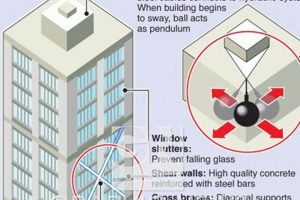
The structural design and materials used in the construction of commercial skyscrapers play a crucial role in their functionality, durability, and overall performance. Skyscrapers are typically constructed using a steel frame, which provides the necessary strength and stability to withstand the immense weight and potential wind forces acting upon the building. This steel frame is then clad with a variety of materials, such as glass, metal, and concrete, which serve both aesthetic and functional purposes.
- Structural Integrity: The steel frame of a skyscraper acts as its backbone, providing the necessary strength and rigidity to support the building’s weight and withstand external forces such as wind and seismic activity. The steel frame is designed to distribute the weight of the building evenly and efficiently, ensuring its structural stability and integrity.
- Facade Design: The exterior cladding of a skyscraper serves both aesthetic and functional purposes. Glass facades, for example, allow for natural light to penetrate the building, reducing the need for artificial lighting and creating a more comfortable indoor environment. Metal cladding, on the other hand, provides durability and protection against the elements, while also contributing to the building’s overall design aesthetic.
- Energy Efficiency: The materials used in a skyscraper’s facade can also contribute to its energy efficiency. Double-glazed windows, for example, can reduce heat transfer, minimizing energy consumption for heating and cooling. Additionally, reflective glass can help reduce solar heat gain, further contributing to energy savings.
- Safety and Fire Resistance: The materials used in a skyscraper’s structure and facade must also meet strict safety and fire resistance standards. Steel frames provide excellent fire resistance, while fire-resistant cladding can help prevent th
e spread of fire and protect the building’s occupants.
The structural design and materials used in commercial skyscrapers are carefully selected to ensure the building’s safety, functionality, and overall performance. By utilizing advanced engineering techniques and innovative materials, architects and engineers are able to create skyscrapers that are both visually striking and structurally sound, contributing to the iconic skylines of cities around the world.
4. Location

The location of a commercial skyscraper is a critical factor that influences its design, construction, and overall functionality. Skyscrapers are often built in dense urban areas, where land is scarce and expensive. This location choice is driven by a number of factors, including:
- Access to Transportation and Amenities: Dense urban areas are typically well-connected by public transportation, making it easy for tenants and visitors to access the skyscraper. Additionally, urban areas offer a wide range of amenities, such as restaurants, shops, and entertainment venues, which can be beneficial for both tenants and employees.
- Proximity to Business and Financial Centers: Many commercial skyscrapers are built in close proximity to business and financial centers. This location provides tenants with convenient access to clients, partners, and other businesses, fostering collaboration and economic growth.
- Land Value and Availability: Land in dense urban areas is often scarce and expensive. However, the high value of land in these areas also makes it economically feasible to construct tall buildings, which can accommodate more tenants and generate higher rental income.
The location of a commercial skyscraper in a dense urban area has a number of advantages. First, it provides tenants with easy access to transportation, amenities, and business centers. Second, it allows developers to maximize the value of their land by constructing tall buildings that can accommodate more tenants. Finally, it contributes to the vibrancy and economic growth of the surrounding urban area.
However, there are also some challenges associated with building skyscrapers in dense urban areas. For example, the cost of land and construction can be high, and there may be zoning restrictions that limit the height and size of buildings. Additionally, the construction of skyscrapers can disrupt traffic and pedestrian flow, and can cast shadows on neighboring buildings.
Overall, the location of a commercial skyscraper in a dense urban area is a complex decision that involves a number of factors. Developers must carefully consider the advantages and disadvantages of each location before making a final decision.
5. Density

The density of a commercial skyscraper is one of its key characteristics. Skyscrapers are able to accommodate a large number of people and businesses in a relatively small area, making them an efficient use of land in dense urban environments. This density has a number of advantages, including:
- Increased Efficiency: Skyscrapers allow for more efficient use of space, as they can accommodate more people and businesses on a single site than low-rise buildings. This can lead to reduced costs for businesses, as they can save on rent and other overhead expenses.
- Reduced Traffic Congestion: By concentrating a large number of people and businesses in a single location, skyscrapers can help to reduce traffic congestion. This is because people are less likely to need to travel long distances to work or to access amenities.
- Enhanced Collaboration and Innovation: Skyscrapers can foster collaboration and innovation by bringing together a diverse range of people and businesses in a single location. This can lead to new ideas and opportunities for businesses.
- Improved Quality of Life: Skyscrapers can improve the quality of life for people who live and work in them. This is because they offer a variety of amenities and services, such as restaurants, shops, and fitness centers, all within easy reach.
The density of commercial skyscrapers is a key factor in their ability to contribute to the economic and social vibrancy of urban areas. By accommodating a large number of people and businesses in a relatively small area, skyscrapers can help to create more efficient, sustainable, and livable cities.
6. Sustainability
As the world becomes increasingly aware of the importance of sustainability, commercial skyscrapers are being designed with a greater focus on environmental responsibility. This is due to a number of factors, including the rising cost of energy, the growing demand for green buildings, and the increasing awareness of the environmental impact of buildings.
One of the most important aspects of sustainable skyscraper design is energy efficiency. Skyscrapers can consume a significant amount of energy, so it is important to find ways to reduce their energy consumption. This can be done through the use of energy-efficient lighting, appliances, and HVAC systems. Additionally, skyscrapers can be designed to take advantage of natural light and ventilation, which can further reduce energy consumption.
Another important aspect of sustainable skyscraper design is water conservation. Skyscrapers can use a significant amount of water, so it is important to find ways to reduce their water consumption. This can be done through the use of water-efficient fixtures and appliances, as well as by collecting and reusing rainwater.In addition to energy efficiency and water conservation, sustainable skyscraper design also includes a focus on using sustainable materials and reducing waste. Sustainable materials are materials that are produced in a way that minimizes their environmental impact. These materials can include recycled materials, renewable materials, and materials that are produced locally. Reducing waste means finding ways to reduce the amount of waste that is produced during the construction and operation of a skyscraper. This can be done through the use of efficient construction methods, recycling programs, and waste reduction strategies.The sustainability of commercial skyscrapers is an important issue that is becoming increasingly important as the world becomes more aware of the importance of environmental responsibility. By designing skyscrapers that are energy-efficient, water-efficient, and sustainable, we can help to reduce the environmental impact of buildings and create a more sustainable future.
Real-life examples of sustainable skyscrapers:
- The Burj Khalifa in Dubai is the tallest building in the world, and it is also one of the most sustainable. The Burj Khalifa uses a number of energy-efficient features, such as a double-skin facade that helps to reduce heat gain, and a rainwater collection system that provides water for irrigation.
- The One World Trade Center in New York City is another example of a sustainable skyscraper. The One World Trade Center is LEED Platinum certified, and it uses a number of sustainable features, such as a rainwater collection system, a green roof, and a high-performance facade that helps to reduce energy consumption.
- The Shanghai Tower in Shanghai is the second tallest building in the world, and it is also one of the most sustainable. The Shanghai Tower uses a number of energy-efficient features, such as a wind turbine that generates electricity, and a rainwater collection system that provides water for irrigation.
These are just a few examples of sustainable skyscrapers that are being built around the world. As the demand for green buildings continues to grow, we can expect to see even more sustainable skyscrapers being built in the future.
7. Icon

Skyscrapers are often seen as symbols of economic power and progress, and they can have a significant impact on the surrounding community. One of the most important ways that skyscrapers can do this is by becoming iconic landmarks. Iconic landmarks are buildings or structures that are instantly recognizable and that come to represent the city or region in which they are located. The Empire State Building in New York City, the Eiffel Tower in Paris, and the Sydney Opera House in Australia are all examples of iconic landmarks that are known all over the world.
There are a number of factors that can contribute to a skyscraper becoming an iconic landmark. One factor is the building’s height. Skyscrapers are often the tallest buildings in a city, and this can make them highly visible and recognizable. Another factor is the building’s design. Skyscrapers often have unique and eye-catching designs that make them stand out from other buildings. Finally, the location of a skyscraper can also contribute to its iconic status. Skyscrapers that are located in prominent locations, such as in the center of a city or on a waterfront, are more likely to become iconic landmarks.
Becoming an iconic landmark can have a number of benefits for a commercial skyscraper. First, it can help to attract tenants and visitors. People are drawn to iconic landmarks, and they are often willing to pay a premium to be able to work or live in a building that is considered to be an iconic landmark. Second, becoming an iconic landmark can help to increase the value of a commercial skyscraper. Iconic landmarks are often seen as valuable assets, and this can lead to increased investment in the building and the surrounding area. Finally, becoming an iconic landmark can help to promote the city or region in which it is located. Iconic landmarks can be a source of pride for a city or region, and they can help to attract tourism and investment.
There are a number of real-life examples of commercial skyscrapers that have become iconic landmarks. The Empire State Building in New York City is one of the most famous examples. The Empire State Building was completed in 1931, and it was the tallest building in the world for over 40 years. The Empire State Building is a popular tourist destination, and it is also home to a number of businesses. Another example of an iconic commercial skyscraper is the Petronas Towers in Kuala Lumpur, Malaysia. The Petronas Towers were completed in 1998, and they were the tallest buildings in the world for six years. The Petronas Towers are a popular tourist destination, and they are also home to a number of businesses.
The connection between iconic skyscrapers and commercial skyscrapers is a mutually beneficial one. Iconic skyscrapers can help to attract tenants and visitors, increase the value of a commercial skyscraper, and promote the city or region in which it is located. In turn, commercial skyscrapers can help to fund the construction and maintenance of iconic skyscrapers.
FAQs about commercial skyscrapers
Commercial skyscrapers are a common sight in major cities around the world. They are often seen as symbols of economic power and progress, but they can also be controversial. Here are some frequently asked questions about commercial skyscrapers:
Question 1: Are commercial skyscrapers safe?
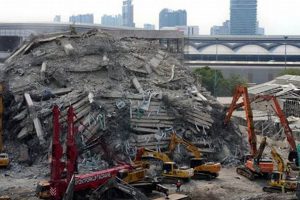
Answer: Yes, commercial skyscrapers are generally safe. They are designed to withstand high winds and earthquakes, and they are equipped with fire safety systems. However, no building is completely immune to damage or collapse.
Question 2: Are commercial skyscrapers energy efficient?
Answer: Modern commercial skyscrapers are becoming increasingly energy efficient. They are using new technologies to reduce their energy consumption, such as LED lighting and solar panels.
Question 3: Are commercial skyscrapers affordable?
Answer: The cost of renting or buying space in a commercial skyscraper can vary depending on the location, size, and amenities of the building. In general, commercial skyscrapers are more expensive than other types of buildings.
Question 4: Are commercial skyscrapers accessible to people with disabilities?
Answer: Yes, commercial skyscrapers are required to be accessible to people with disabilities. They must have ramps, elevators, and other features that make it easy for people with disabilities to access and use the building.
Question 5: What are the benefits of working in a commercial skyscraper?
Answer: There are many benefits to working in a commercial skyscraper, including stunning views, access to amenities, and opportunities for networking.
Question 6: What are the challenges of working in a commercial skyscraper?
Answer: There are also some challenges to working in a commercial skyscraper, such as long commutes, high rents, and lack of natural light.
Summary: Commercial skyscrapers are a complex and controversial building type. They offer many benefits, but they also have some challenges. It is important to weigh the pros and cons carefully before deciding whether or not to work in or rent space in a commercial skyscraper.
Transition to the next article section: The future of commercial skyscrapers is uncertain. However, it is likely that they will continue to be a major part of the urban landscape for many years to come.
Tips for working in a commercial skyscraper
Working in a commercial skyscraper can be a great experience, but it can also come with some challenges. Here are a few tips to help you make the most of your experience:
Tip 1: Plan your commute. If you don’t live close to your office, it’s important to plan your commute in advance. Give yourself plenty of time to get to work, and consider using public transportation or carpooling to avoid traffic.
Tip 2: Pack light. You’ll be doing a lot of walking in a commercial skyscraper, so it’s important to pack light. Bring only the essentials, and consider using a backpack or rolling suitcase to make it easy to carry your belongings.
Tip 3: Dress comfortably. You’ll be spending a lot of time on your feet, so it’s important to dress comfortably. Wear comfortable shoes and clothes that you can move around in easily.
Tip 4: Take advantage of the amenities. Many commercial skyscrapers offer a variety of amenities to their tenants, such as fitness centers, cafeterias, and conference rooms. Take advantage of these amenities to make your work life easier and more enjoyable.
Tip 5: Be aware of your surroundings. Commercial skyscrapers can be busy and crowded, so it’s important to be aware of your surroundings. Pay attention to where you’re going, and be careful not to bump into people or objects.
Tip 6: Network with your co
lleagues. Commercial skyscrapers are a great place to network with other professionals. Attend industry events, join professional organizations, and get involved in your company’s social activities.
By following these tips, you can make the most of your experience working in a commercial skyscraper.
Summary: Working in a commercial skyscraper can be a great experience, but it’s important to be prepared for the challenges that come with it. By following these tips, you can make your work life easier and more enjoyable.
Conclusion: Commercial skyscrapers are a major part of the urban landscape, and they offer a number of benefits to businesses and employees. However, it’s important to be aware of the challenges that come with working in a commercial skyscraper before you make a decision about whether or not it’s the right environment for you.
Conclusion
Commercial skyscrapers are a major part of the urban landscape, and they offer a number of benefits to businesses and employees. They can provide businesses with much-needed space, and they can also help to create a sense of place and identity for a city. However, it is important to be aware of the challenges that come with working in a commercial skyscraper before you make a decision about whether or not it’s the right environment for you.
As cities continue to grow and land becomes more scarce, commercial skyscrapers are likely to become even more common. It is important to continue to develop new and innovative ways to design and construct skyscrapers that are sustainable, accessible, and affordable. By doing so, we can ensure that commercial skyscrapers continue to be a valuable asset to our cities.