


A Chinese horizontal skyscraper, also known as a “lying-down skyscraper” or “horizontal tower,” is a type of supertall skyscraper designed to be built horizontally rather than vertically. These structures are characterized by their extremely long and narrow footprints, with lengths that can span several kilometers. The concept of horizontal skyscrapers was first proposed in the early 21st century as a way to address the increasing demand for urban space in densely populated cities.
Horizontal skyscrapers offer several advantages over traditional vertical skyscrapers. First, they can accommodate a larger number of people and functions within a single building, reducing the need for multiple structures and freeing up valuable land space. Second, they can be more energy-efficient than vertical skyscrapers, as they have a lower surface-area-to-volume ratio, which reduces heat loss and cooling costs. Third, horizontal skyscrapers can be more accessible for people with disabilities, as they can be designed with gentle slopes and ramps instead of stairs and elevators.
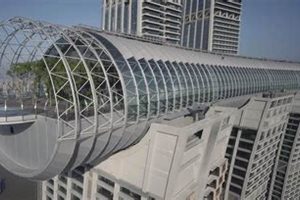
While the concept of horizontal skyscrapers is still relatively new, there are already several examples of these structures under construction or in the planning stages around the world. One of the most notable examples is the “Crystal City” project in Chongqing, China, which will feature a series of horizontal skyscrapers connected by elevated walkways and parks. Another example is the “Linear City” project in Dubai, United Arab Emirates, which is planned to be the world’s longest building at over 10 kilometers in length. These projects and others like them represent a new era in skyscraper design, and they have the potential to revolutionize the way we live and work in urban environments.
1. Length

The length of horizontal skyscrapers is one of their most defining features. By designing skyscrapers horizontally rather than vertically, architects can create structures that are several kilometers long. This is much longer than traditional skyscrapers, which are typically only a few hundred meters tall.
The length of horizontal skyscrapers offers several advantages. First, it allows for a greater number of people and functions to be accommodated within a single building. This can help to reduce the need for multiple structures and free up valuable land space. Second, the length of horizontal skyscrapers can make them more energy-efficient. This is because longer buildings have a lower surface-area-to-volume ratio, which reduces heat loss and cooling costs. Third, the length of horizontal skyscrapers can make them more accessible for people with disabilities. This is because longer buildings can be designed with gentle slopes and ramps instead of stairs and elevators.
There are several examples of horizontal skyscrapers that are currently under construction or in the planning stages around the world. One of the most notable examples is the “Crystal City” project in Chongqing, China, which will feature a series of horizontal skyscrapers connected by elevated walkways and parks. Another example is the “Linear City” project in Dubai, United Arab Emirates, which is planned to be the world’s longest building at over 10 kilometers in length. These projects and others like them represent a new era in skyscraper design, and they have the potential to revolutionize the way we live and work in urban environments.
2. Width

The width of Chinese horizontal skyscrapers is another important design feature. Unlike traditional skyscrapers, which are typically hundreds of meters wide, horizontal skyscrapers are much narrower, often only a few tens of meters wide. This narrow width is essential for several reasons.
First, the narrow width of horizontal skyscrapers helps to reduce wind resistance. This is important because horizontal skyscrapers are much longer than traditional skyscrapers, and they would be more susceptible to wind damage if they were wider. Second, the narrow width of horizontal skyscrapers helps to reduce the amount of land that is required for construction. This is important in densely populated cities, where land is scarce and expensive.
There are several examples of horizontal skyscrapers that are currently under construction or in the planning stages around the world. One of the most notable examples is the “Crystal City” project in Chongqing, China. The Crystal City will consist of a series of horizontal skyscrapers that are only 30 meters wide. Another example is the “Linear City” project in Dubai, United Arab Emirates. The Linear City is planned to be the world’s longest building at over 10 kilometers in length, but it will only be 30 meters wide.
The narrow width of Chinese horizontal skyscrapers is an important design feature that helps to make these buildings more efficient, sustainable, and livable.
3. Height

The height of Chinese horizontal skyscrapers is another important design feature. Unlike traditional skyscrapers, which are typically hundreds of meters tall, horizontal skyscrapers are much shorter, often only a few tens of meters tall. This reduced height is essential for several reasons.
- Reduced wind resistance: Horizontal skyscrapers are much longer than traditional skyscrapers, and they would be more susceptible to wind damage if they were taller. Reducing the height of horizontal skyscrapers helps to reduce wind resistance and make them more structurally sound.
- Reduced construction costs: The height of a building is a major factor in its construction costs. By reducing the height of horizontal skyscrapers, architects can reduce the amount of materials and labor required for construction, which can save money.
- Improved accessibility: Taller buildings require more elevators and other vertical transportation systems, which can be expensive to install and maintain. By reducing the height of horizontal skyscrapers, architects can reduce the need for vertical transportation systems and make the buildings more accessible for people with disabilities.
The reduced height of Chinese horizontal skyscrapers is an important design feature that helps to make these buildings more efficient, sustainable, and livable.
4. Density

Chinese horizontal skyscrapers are designed to be extremely dense, accommodating a large number of people and functions within a single building. This is achieved by maximizing the building’s footprint and minimizing its height. The resul
ting structures are able to house a wide range of uses, including residential, commercial, office, and retail space. This density offers several advantages over traditional skyscrapers, which are typically less dense and more specialized in their use.
- Increased efficiency: By combining multiple uses within a single building, horizontal skyscrapers can reduce the need for transportation and other infrastructure, making them more efficient and sustainable.
- Enhanced community: Horizontal skyscrapers can create a more vibrant and cohesive community by bringing people together in a variety of settings. This can foster social interaction and a sense of belonging.
- Reduced cost: By maximizing the building’s footprint and minimizing its height, horizontal skyscrapers can reduce the amount of materials and labor required for construction, which can save money.
The density of Chinese horizontal skyscrapers is a key factor in their success. By accommodating a large number of people and functions within a single building, these structures are able to create more efficient, sustainable, and livable communities.
5. Energy efficiency
The energy efficiency of Chinese horizontal skyscrapers is a major advantage over traditional skyscrapers. This is due to several factors, including their shape, orientation, and use of natural ventilation.
- Shape: The long, narrow shape of horizontal skyscrapers reduces their surface area relative to their volume. This means that they lose less heat through their exterior walls and roof, making them more energy-efficient.
- Orientation: Horizontal skyscrapers can be oriented to take advantage of natural sunlight and prevailing winds. This can help to reduce the need for artificial lighting and cooling, further improving energy efficiency.
- Natural ventilation: The open design of horizontal skyscrapers allows for natural ventilation, which can help to reduce the need for air conditioning. This can be especially beneficial in warm climates.
- Use of sustainable materials and technologies: Chinese horizontal skyscrapers are often constructed using sustainable materials and technologies, such as solar panels and green roofs. These features can further improve energy efficiency and reduce environmental impact.
The energy efficiency of Chinese horizontal skyscrapers is a key factor in their sustainability. By using less energy, these buildings can help to reduce greenhouse gas emissions and create a more sustainable future.
6. Accessibility
Chinese horizontal skyscrapers are designed to be more accessible for people with disabilities than traditional skyscrapers. This is due to several factors, including their:
- Long, gentle slopes: Horizontal skyscrapers can be designed with long, gentle slopes instead of stairs, making them easier for people with mobility impairments to access.
- Wide corridors and doorways: Horizontal skyscrapers can have wide corridors and doorways, making it easier for people with mobility impairments or wheelchairs to move around.
- Accessible amenities: Horizontal skyscrapers can be equipped with accessible amenities, such as elevators, ramps, and accessible restrooms, making them easier for people with disabilities to use.
The accessibility of Chinese horizontal skyscrapers is an important consideration for architects and urban planners. By making these buildings more accessible, we can create more inclusive and equitable cities for everyone.
Here are some real-life examples of how Chinese horizontal skyscrapers are being designed to be more accessible for people with disabilities:
- The Crystal City project in Chongqing, China, will feature a series of horizontal skyscrapers connected by elevated walkways and parks. The walkways will be designed with gentle slopes and wide corridors, making them accessible for people with mobility impairments.
- The Linear City project in Dubai, United Arab Emirates, is planned to be the world’s longest building at over 10 kilometers in length. The building will be designed with a series of ramps and elevators, making it accessible for people with mobility impairments.
These are just a few examples of how Chinese horizontal skyscrapers are being designed to be more accessible for people with disabilities. As these buildings continue to be developed, we can expect to see even more innovative and inclusive designs.
7. Sustainability

Chinese horizontal skyscrapers are designed to be more sustainable than traditional skyscrapers in several ways. Their long, narrow shape reduces their surface area relative to their volume, which means that they lose less heat through their exterior walls and roof. This makes them more energy-efficient, reducing their greenhouse gas emissions. Additionally, Chinese horizontal skyscrapers can be built using sustainable materials and technologies, such as solar panels and green roofs, which further improve their environmental performance.
- Reduced energy consumption: The energy efficiency of Chinese horizontal skyscrapers is a major advantage over traditional skyscrapers. This is due to several factors, including their shape, orientation, and use of natural ventilation. The long, narrow shape of horizontal skyscrapers reduces their surface area relative to their volume, which means that they lose less heat through their exterior walls and roof. This makes them more energy-efficient and reduces their greenhouse gas emissions.
- Use of renewable energy: Chinese horizontal skyscrapers can be equipped with solar panels and other renewable energy sources to generate their own electricity. This can further reduce their reliance on fossil fuels and their greenhouse gas emissions.
- Water conservation: Chinese horizontal skyscrapers can be designed to conserve water through the use of low-flow fixtures and rainwater harvesting systems. This can help to reduce their water consumption and their impact on local water resources.
- Waste reduction: Chinese horizontal skyscrapers can be designed to reduce waste through the use of recycling and composting programs. This can help to reduce their environmental impact and promote a more sustainable lifestyle.
The sustainability of Chinese horizontal skyscrapers is a key factor in their appeal. By using less energy, water, and other resources, these buildings can help to reduce our environmental impact and create a more sustainable future.
8. Innovation
Chinese horizontal skyscrapers represent a new era in skyscraper design because they challenge traditional notions of what a skyscraper can be. With their long, narrow footprints and innovative use of space, Chinese horizontal skyscrapers offer a number of
advantages over traditional skyscrapers, including increased energy efficiency, sustainability, and accessibility. This new era in skyscraper design is being driven by a number of factors, including the increasing demand for urban space, the need for more sustainable buildings, and the desire for more livable and walkable cities.
One of the most important innovations in Chinese horizontal skyscraper design is the use of long, narrow footprints. This allows architects to create buildings that are much longer than they are tall, which has a number of advantages. First, it reduces the amount of land required for construction, which is important in densely populated cities. Second, it reduces the amount of wind resistance that the building experiences, which makes it more structurally sound. Third, it allows for more natural light and ventilation, which can improve the indoor environment for occupants.
Another important innovation in Chinese horizontal skyscraper design is the use of innovative space-saving techniques. This includes the use of open floor plans, flexible workspaces, and shared amenities. These techniques allow architects to create buildings that are more efficient and adaptable, which can meet the changing needs of businesses and residents. For example, the Crystal City project in Chongqing, China, will feature a series of horizontal skyscrapers connected by elevated walkways and parks. The walkways will be designed with gentle slopes and wide corridors, making them accessible for people with mobility impairments. The Linear City project in Dubai, United Arab Emirates, is planned to be the world’s longest building at over 10 kilometers in length. The building will be designed with a series of ramps and elevators, making it accessible for people with mobility impairments.
The innovation behind Chinese horizontal skyscrapers is not just about creating new and exciting designs. It is also about finding ways to make skyscrapers more sustainable, efficient, and livable. By using new technologies and design techniques, Chinese architects are creating a new generation of skyscrapers that are better for the environment, better for business, and better for people.
9. Future

Chinese horizontal skyscrapers have the potential to revolutionize the way we live and work in urban environments. By combining the advantages of traditional skyscrapers with the benefits of horizontal development, Chinese horizontal skyscrapers offer a number of unique opportunities to create more sustainable, livable, and efficient cities.
One of the most important benefits of Chinese horizontal skyscrapers is their increased energy efficiency. The long, narrow shape of these buildings reduces their surface area relative to their volume, which means that they lose less heat through their exterior walls and roof. This makes them more energy-efficient than traditional skyscrapers, which can help to reduce greenhouse gas emissions and create a more sustainable future.
Another important benefit of Chinese horizontal skyscrapers is their improved accessibility. The long, gentle slopes and wide corridors of these buildings make them easier for people with mobility impairments to access. Additionally, Chinese horizontal skyscrapers can be equipped with a variety of accessible amenities, such as elevators, ramps, and accessible restrooms. This makes them more inclusive and equitable than traditional skyscrapers, which can be difficult for people with disabilities to access.
Chinese horizontal skyscrapers are still a relatively new concept, but they have the potential to revolutionize the way we design and build cities. By incorporating sustainable design principles and innovative technologies, Chinese horizontal skyscrapers can help us create more livable, sustainable, and equitable cities for the future.
FAQs on Chinese Horizontal Skyscrapers
Chinese horizontal skyscrapers are a new type of skyscraper that is designed to be built horizontally rather than vertically. These structures are characterized by their extremely long and narrow footprints, with lengths that can span several kilometers. Horizontal skyscrapers offer several advantages over traditional vertical skyscrapers, including increased energy efficiency, sustainability, accessibility, and innovation.
Question 1: What are the benefits of Chinese horizontal skyscrapers?
Chinese horizontal skyscrapers offer several benefits over traditional vertical skyscrapers, including increased energy efficiency, sustainability, accessibility, and innovation. They can accommodate a larger number of people and functions within a single building, reducing the need for multiple structures and freeing up valuable land space. They can also be more energy-efficient than vertical skyscrapers, as they have a lower surface-area-to-volume ratio, which reduces heat loss and cooling costs. Additionally, horizontal skyscrapers can be more accessible for people with disabilities, as they can be designed with gentle slopes and ramps instead of stairs and elevators.
Question 2: What are the challenges of building Chinese horizontal skyscrapers?
There are several challenges associated with building Chinese horizontal skyscrapers, including structural engineering, wind resistance, and construction costs. The long and narrow design of these buildings makes them more susceptible to wind damage, so engineers must carefully design the structures to withstand high winds. Additionally, the construction costs of horizontal skyscrapers can be higher than those of traditional vertical skyscrapers, as they require more materials and labor to build.
Question 3: What are the future prospects for Chinese horizontal skyscrapers?
Chinese horizontal skyscrapers have the potential to revolutionize the way we live and work in urban environments. By combining the advantages of traditional skyscrapers with the benefits of horizontal development, Chinese horizontal skyscrapers offer a number of unique opportunities to create more sustainable, livable, and efficient cities. As technology advances and construction costs decrease, horizontal skyscrapers are likely to become more common in the future.
Question 4: How do Chinese horizontal skyscrapers compare to traditional vertical skyscrapers?
Chinese horizontal skyscrapers differ from traditional vertical skyscrapers in several ways. First, they are much longer and narrower than traditional skyscrapers. Second, they are designed to be built horizontally rather than vertically. Third, they offer several advantages over traditional skyscrapers, including increased energy efficiency, sustainability, accessibility, and innovation.
Question 5: What is the largest Chinese horizontal skyscraper?
The largest Chinese horizontal skyscraper is the Crystal City project in Chongqing, China. The Crystal City will consist of a series of horizontal skyscrapers that are connected by elevated walkways and parks. The project is still under construction, but once completed, it will be the largest horizontal skyscraper in the world.
Question 6: What are the environmental benefits of Chinese horizontal skyscrapers?
Chinese horizontal skyscrapers offer several environmental benefits over traditional vertical skyscrapers. First, they are more energy-efficient, as they have a lower surface-area-to-volume ratio, which reduces heat loss and cooling costs. Second, they can be built using sustainable materials and technologies, such as solar panels and green roofs. Third, they can help to reduce urban sprawl, as they can accommodate a
large number of people and functions within a single building.
Summary of key takeaways or final thought: Chinese horizontal skyscrapers are a new type of skyscraper that offers several advantages over traditional vertical skyscrapers. They are more energy-efficient, sustainable, accessible, and innovative. As technology advances and construction costs decrease, horizontal skyscrapers are likely to become more common in the future.
Transition to the next article section: Chinese horizontal skyscrapers are a promising new development in skyscraper design. They offer several advantages over traditional vertical skyscrapers and have the potential to revolutionize the way we live and work in urban environments.
Tips for Designing Chinese Horizontal Skyscrapers
Chinese horizontal skyscrapers are a new type of skyscraper that is designed to be built horizontally rather than vertically. These structures are characterized by their extremely long and narrow footprints, with lengths that can span several kilometers. Horizontal skyscrapers offer several advantages over traditional vertical skyscrapers, including increased energy efficiency, sustainability, accessibility, and innovation.
Here are five tips for designing Chinese horizontal skyscrapers:
Tip 1: Design for energy efficiency. Chinese horizontal skyscrapers can be designed to be more energy-efficient than traditional vertical skyscrapers by using passive design strategies, such as orienting the building to take advantage of natural sunlight and prevailing winds. Additionally, horizontal skyscrapers can be equipped with energy-efficient technologies, such as solar panels and green roofs. Tip 2: Design for sustainability. Chinese horizontal skyscrapers can be designed to be more sustainable than traditional vertical skyscrapers by using sustainable materials and construction methods. Additionally, horizontal skyscrapers can be designed to incorporate green spaces and other features that promote biodiversity and reduce the urban heat island effect. Tip 3: Design for accessibility. Chinese horizontal skyscrapers can be designed to be more accessible for people with disabilities by providing features such as ramps, elevators, and accessible restrooms. Additionally, horizontal skyscrapers can be designed to create a more inclusive and equitable environment for all users. Tip 4: Design for innovation. Chinese horizontal skyscrapers provide a unique opportunity to innovate in skyscraper design. Architects and engineers can use new technologies and construction methods to create horizontal skyscrapers that are more efficient, sustainable, and accessible than traditional vertical skyscrapers. Tip 5: Design for the future. Chinese horizontal skyscrapers have the potential to revolutionize the way we live and work in urban environments. By incorporating sustainable design principles and innovative technologies, Chinese horizontal skyscrapers can help us create more livable, sustainable, and equitable cities for the future.
Summary: Chinese horizontal skyscrapers are a new type of skyscraper that offers several advantages over traditional vertical skyscrapers. By following these tips, architects and engineers can design horizontal skyscrapers that are more energy-efficient, sustainable, accessible, and innovative.
Transition: Chinese horizontal skyscrapers are a promising new development in skyscraper design. They have the potential to revolutionize the way we live and work in urban environments.
Conclusion
Chinese horizontal skyscrapers are a new type of skyscraper that offers several advantages over traditional vertical skyscrapers. They are more energy-efficient, sustainable, accessible, and innovative. As technology advances and construction costs decrease, horizontal skyscrapers are likely to become more common in the future.
Chinese horizontal skyscrapers have the potential to revolutionize the way we live and work in urban environments. By incorporating sustainable design principles and innovative technologies, Chinese horizontal skyscrapers can help us create more livable, sustainable, and equitable cities for the future.